The collision of professional deadlines and profound personal loss forms the heart of a powerful short film by creator Karim Shaaban, which dissects the intense pressures of the commercial production industry. The film presents a scenario where an elderly actor, Mr. Farouk, receives news of his best friend's death in the middle of a high-stakes advertisement shoot, forcing the cast and crew to confront the moral dilemma between human compassion and financial obligation. Farouk, an actor in his late 60s, is finally living his lifelong dream, a fact that had moved him to tears of joy when he was cast. This dream was reignited by his best friend, Amer, who not only encouraged him to return to acting but also accompanied him to the casting call, making his sudden death all the more devastating.
Upon receiving the news via a tearful phone call from his sister, Safaa, Farouk is overcome with grief and insists he must leave the set immediately to be with his sister and mourn his friend. This decision is met with immediate and harsh resistance from Magdy, the production manager. Operating under extreme pressure, Magdy is singularly focused on the project's bottom line. He vehemently declares that no one can leave until the 12-hour shoot is complete, "even if the world collapses". His panic is rooted in tangible consequences: a potential 10 million EGP penalty clause from the client for missing the delivery deadline, and the fear of being professionally branded an incompetent "production manager" if the day is lost. He explicitly states that he cannot afford to put himself in Farouk's shoes, as his primary duty is to protect the production and his own career.
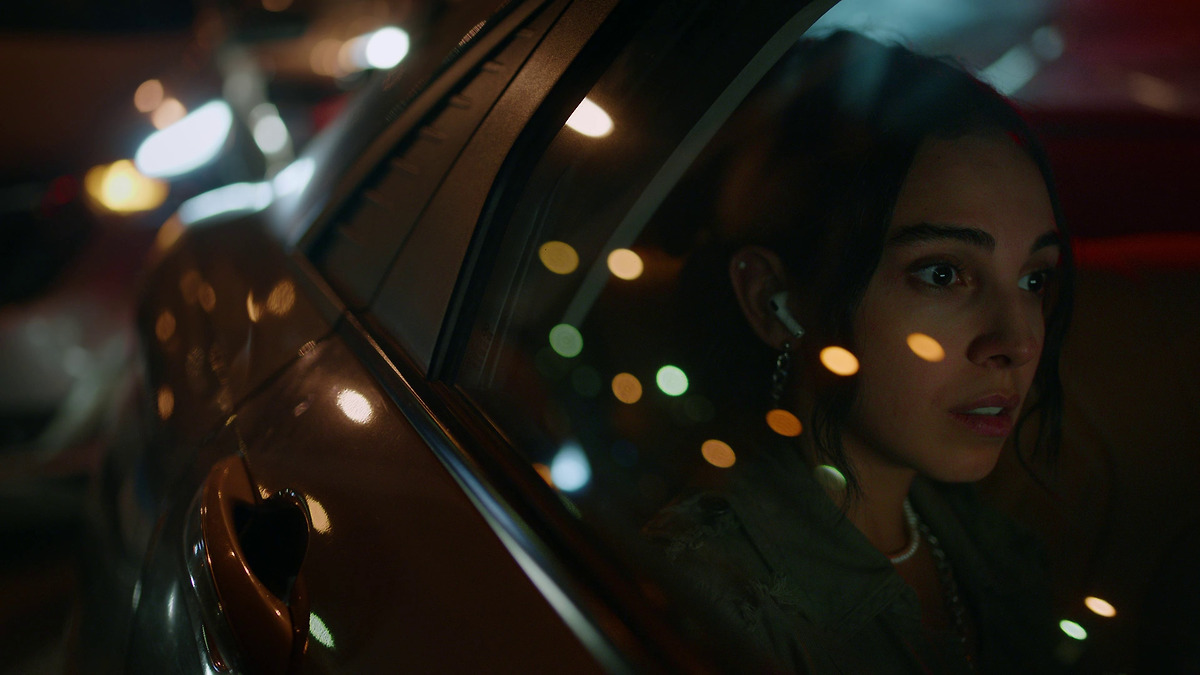
Related article - Uphorial Radio
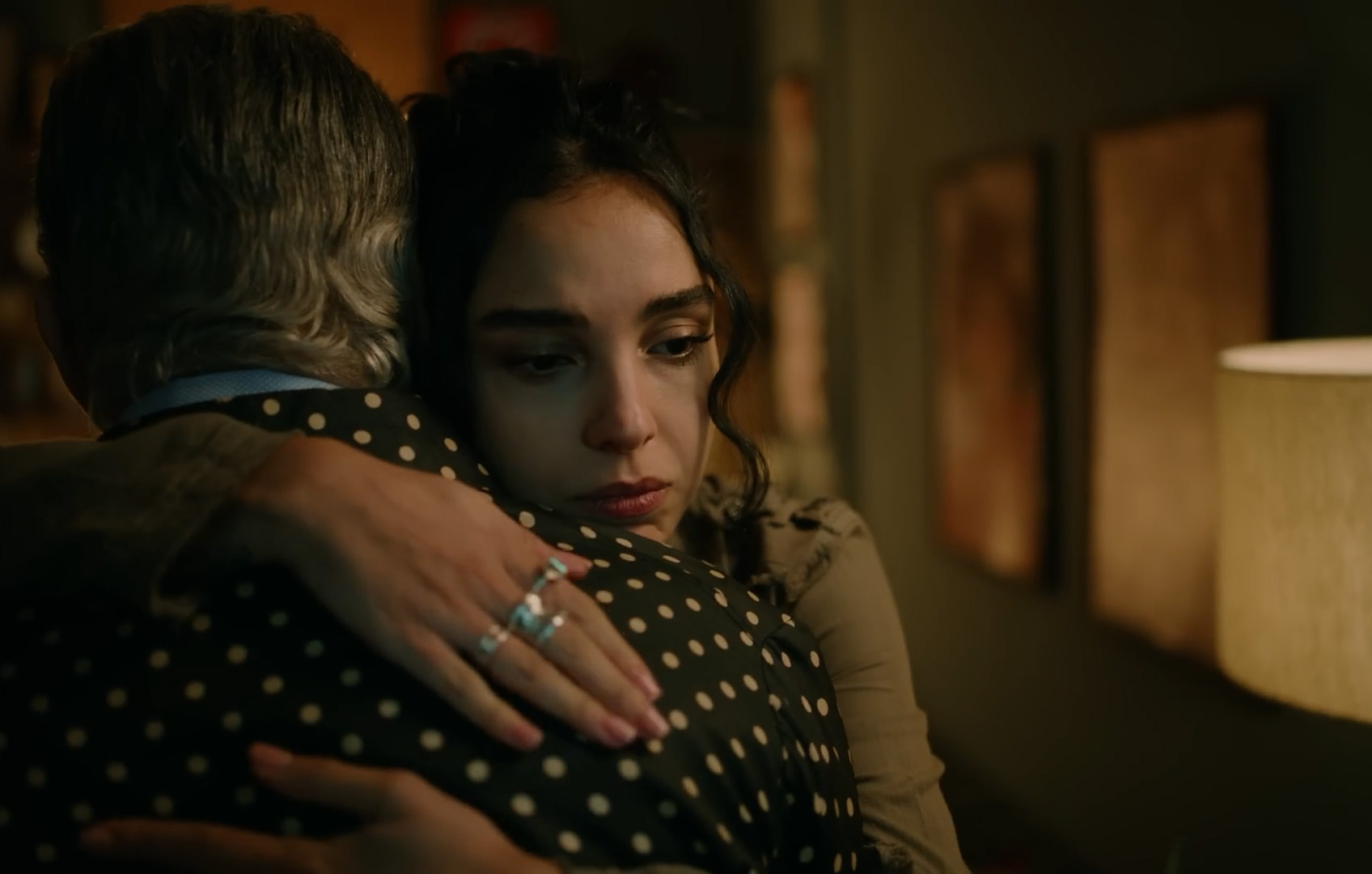
This purely pragmatic and aggressive stance is countered by the producer, Lobna, who champions a more empathetic approach. While she acknowledges Magdy's fear for his livelihood, she argues that Farouk's grief is a fundamental human experience that cannot be dismissed. She challenges Magdy's logic, questioning how forcing a grieving man to stay would result in a usable performance. Lobna then approaches Farouk privately, creating a space for genuine human connection by sharing a personal story of her own loss. She recounts the time she was on a graduation film shoot and learned of her father's death. Torn between her professional commitment and personal grief, she chose to finish the project, believing it would honor her father's desire to see her succeed. By revealing her own vulnerability, she validates Farouk's pain while gently offering a different perspective. She reminds him that Amer would be proud to see him on screen, fulfilling the very dream Amer had encouraged him to pursue.
Through this compassionate intervention, Lobna successfully navigates the crisis. She gives Farouk the time and agency to make his own choice, assuring him of her support no matter the outcome. After a moment of reflection, Farouk decides to stay and complete the shoot. The final scenes show him delivering the required performance—even being asked to "increase the smile a little"—before returning home late to his waiting family, who greet him with love and a shared meal. Karim Shaaban’s film thoughtfully captures this complex dynamic, illustrating the immense pressure creative professionals face when the demands of their work clash with the non-negotiable realities of life and loss, leaving the audience to reflect on the true cost of success and the value of empathy in the workplace.