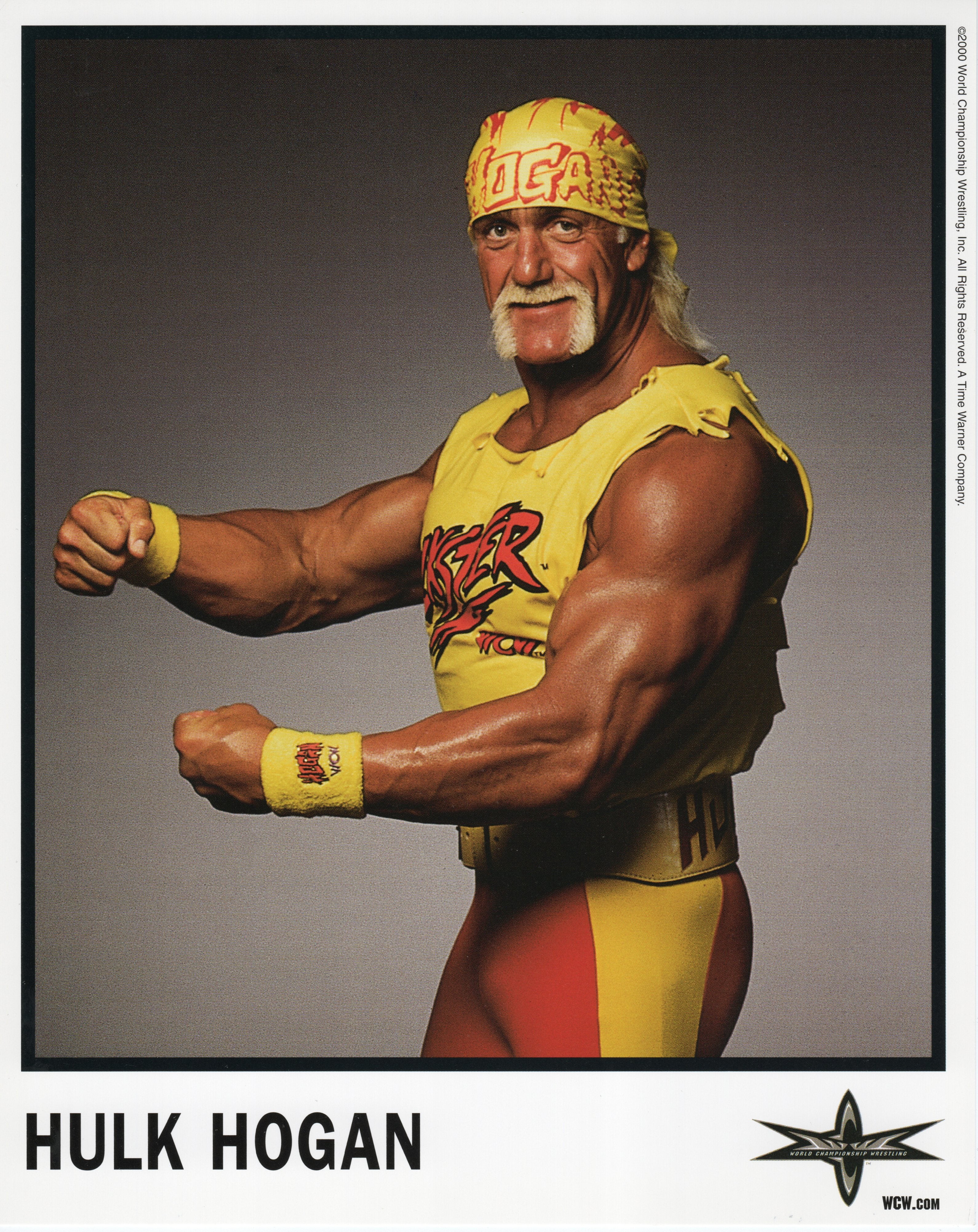
In the grand pantheon of American pop culture, few names echo louder than Hulk Hogan. With his blonde handlebar mustache, rippling physique, and immortal catchphrases, “Whatcha gonna do when Hulkamania runs wild on you?”- he became more than a wrestling icon. Hogan was a movement, a symbol of exaggerated masculinity, an '80s and '90s blueprint for charisma in sports entertainment.
But on a quiet Monday morning, the man who once seemed invincible was confirmed gone at 71. The wrestling world held its breath. One week later, his cause of death was revealed: complications related to long-standing cardiovascular issues, conditions worsened by decades of physical punishment, performance-enhancing regimens, and an unrelenting pursuit of physical grandeur.
Related article - Uphorial Podcast
:max_bytes(150000):strip_icc()/hulk-hogan-072425-6-ee941aadf7ee4f03b1eeb04fea537a5c.jpg)
It’s a revelation that feels both shocking and inevitable. Hogan’s body had long been a canvas of pain and sacrifice. Over the years, he underwent more than a dozen surgeries on his knees, back, and hips. At times, he limped across stages, his mobility restricted, his smile strained. And yet, whenever he appeared, whether on WWE broadcasts or late-night talk shows, he wore the same mask: the strongman who always bounced back. The truth behind that mask is more human, more haunting, and more worthy of reflection than any staged wrestling feud.
Terry Bollea, the man behind Hulk Hogan, was born in Augusta, Georgia, and raised in Tampa, Florida. Before the fame, before the crowds, he was a bassist in a band, a dreamer obsessed with superheroes and championship belts. Wrestling offered him something no other job could: a chance to live larger than life. And he did. With the WWF (now WWE), Hogan exploded into mainstream success in the 1980s, headlining WrestleMania after WrestleMania. He wasn’t just a wrestler; he was a phenomenon. He starred in movies, appeared on cereal boxes, and inspired legions of fans who believed in his message of taking vitamins, saying prayers, and believing in themselves.
But like many icons built on charisma and spectacle, Hogan’s legacy was not without cracks. Over the years, he faced legal battles, racial controversies, and personal losses. His once-pristine image was challenged, reframed, and sometimes ridiculed. Yet, for all the noise, he always returned to one truth: the audience still wanted to believe in him. And therein lies the power of Hulk Hogan. He was never just a wrestler; he was a mirror to our most basic longing, to believe in the myth of strength, to believe that good always triumphs over evil, and that no matter how beaten down we are, we can tear off the shirt and rise again.
His death, brought on by the same strain that made him a spectacle, becomes the ultimate full-circle moment. It forces us to question the cost of becoming a legend. What toll does it take on the man to keep the myth alive? What happens when the lights dim, the chants fade, and the body, pushed far beyond human limits, demands its due? Today, the world remembers Hulk Hogan not just for the body slams and title belts, but for the story he carried in silence: a man trapped in the shadow of his mythology. He gave generations of fans something to believe in, but perhaps the most powerful part of his legacy is this final chapter, a reminder that even icons bleed, break, and eventually bow out. In the ring of life, Terry Bollea fought valiantly until the final bell.
Rest in power, Hulkster.