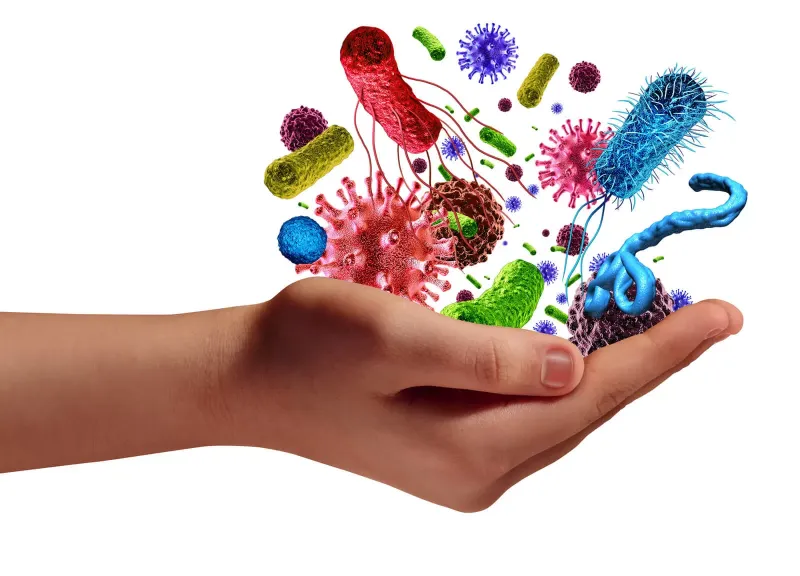
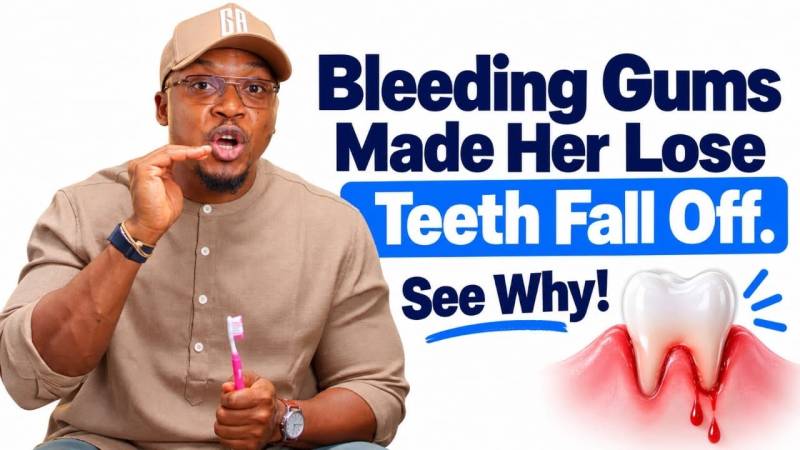
The human body operates as a complex, interconnected ecosystem, yet we often treat our health as a series of isolated systems. Perhaps no misconception is more dangerous—or more easily rectified—than the idea that oral health is a separate, localized concern. In a recent educational outreach, the well-known health advocate Aproko Doctor has issued a critical reminder that challenges how we view our daily hygiene: the mouth is not an island, but a primary gateway to the systemic health of the entire organism. When we neglect the care of our teeth, we are not just risking a dental bill; we are potentially inviting bacterial infiltration into the bloodstream, a process that can initiate widespread inflammation and contribute to life-threatening conditions, including the clogging of our arteries.
This perspective demands a transformational framing of what it means to brush one's teeth. It is no longer a cosmetic chore aimed at fresh breath; it is a fundamental act of preventive medicine. Aproko Doctor offers a stark, non-negotiable truth: unlike many other parts of the human body, teeth do not have "spare parts." Once the enamel is compromised, the damage is essentially permanent. This reality requires a shift toward an disciplined, proactive approach to preservation. The enamel is our only defense, a biological shield that must be maintained with emotional precision and daily vigilance if we are to ensure oral health that lasts a lifetime.
To manage this, we must move past the haphazard routines that often characterize modern hygiene and adopt an intelligent curation of our daily habits. Aproko Doctor emphasizes that the schedule of our cleaning is just as important as the technique itself. The morning brush is an essential intervention, not just for the sake of social etiquette, but for physiological necessity. During the hours of sleep, the body’s natural cleanser—saliva—is produced at significantly reduced levels, creating an ideal, stagnant environment for bacterial proliferation. Brushing immediately upon waking, before breakfast, is the strategic move; it not only removes the night’s accumulation of microbes but also coats the enamel with a protective layer of fluoride. This fluoride acts as a chemical barrier, a shield that neutralizes the erosive acids found in our morning meals before they can begin the process of demineralization.

Related article - Uphorial Shopify
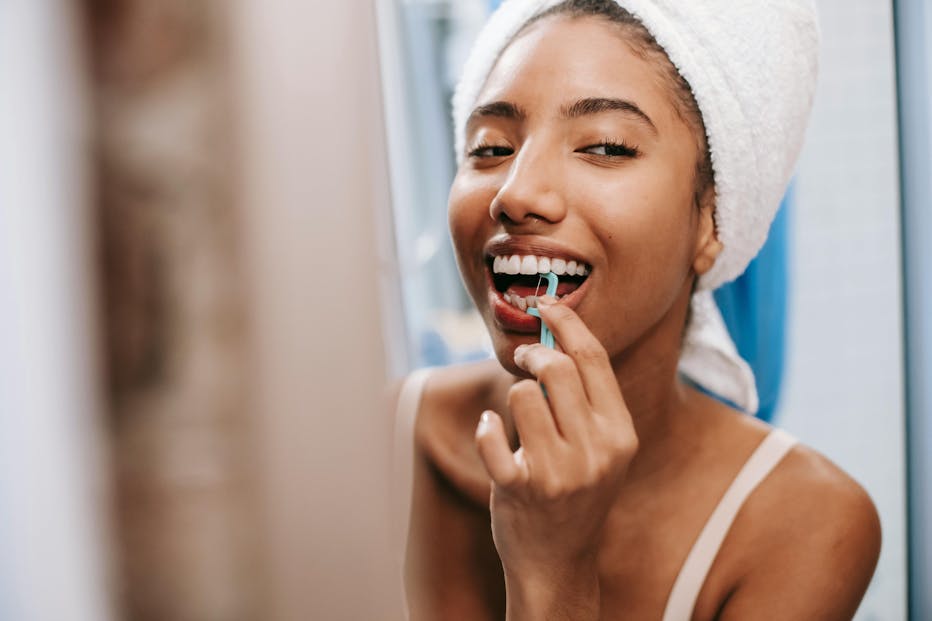
The night routine, however, holds a different, equally vital significance. If the morning brush is about defense, the night brush is about clearing the battlefield. Throughout the day, our teeth become coated in food debris and residual sugars. Failing to remove these particles before sleep provides bacteria with an undisturbed, hours-long environment to ferment, producing the acids that systematically erode our teeth and gums. To skip this step is to surrender the integrity of our oral health to the unchecked activity of decay-causing microorganisms. It is a simple, strategic decision that pays the highest dividends in the long-term preservation of our teeth.
In his analysis, Aproko Doctor also takes aim at the cultural myths that often persist in place of evidence-based care. There is a persistent temptation to rely on "natural" or "shortcut" methods—rinsing with water, utilizing salt solutions, or attempting to scrub away plaque with nothing more than a finger. These methods, while perhaps rooted in tradition or convenience, are profoundly insufficient. They lack the abrasive power required to mechanically remove the sticky, persistent film of plaque, and more importantly, they provide absolutely no fluoride protection. Similarly, while he acknowledges that the traditional chewing stick may possess some inherent antimicrobial properties, it cannot be considered a comprehensive replacement for modern tools. A stick cannot reach the complex geometries of every tooth surface, nor can it deliver the concentrated, fluoride-based enamel support that modern dentistry has proven to be effective. The conclusion is an appeal for the adoption of objective, high-quality standards. The modern toothbrush, paired with a reliable, fluoride-containing toothpaste, is not merely a product recommendation; it is an essential piece of medical technology. Maintaining this standard is non-negotiable for anyone who wishes to prevent the formation of cavities and the onset of gum disease. This shift in mindset—moving from the casual, aesthetic-driven view of oral care to a medically rigorous, systemic approach—is the cornerstone of lifelong wellness.
Ultimately, Aproko Doctor’s message serves as a reminder of the power of consistent, disciplined action. We are the stewards of our own biological infrastructure, and the health of our systemic pathways begins with the deliberate act of brushing. By embracing the necessity of fluoride, committing to a twice-daily routine, and discarding the ineffective myths that hamper our progress, we gain control over a critical aspect of our long-term health. The mouth is the window through which we can protect the heart, the bloodstream, and the longevity of our entire body. In an era where healthcare costs are rising and chronic diseases are becoming more common, the most revolutionary act of self-care is often the most simple one: picking up the brush, applying the paste, and acknowledging that when it comes to our teeth, there is no room for compromise. We are protecting not just our smiles, but the very integrity of the vessels that carry us through life.