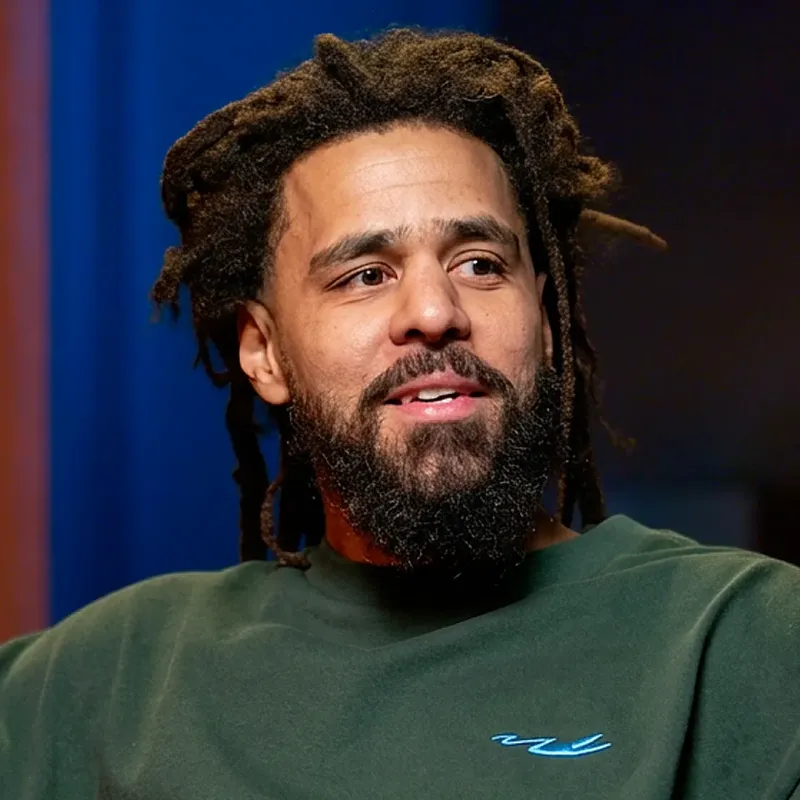
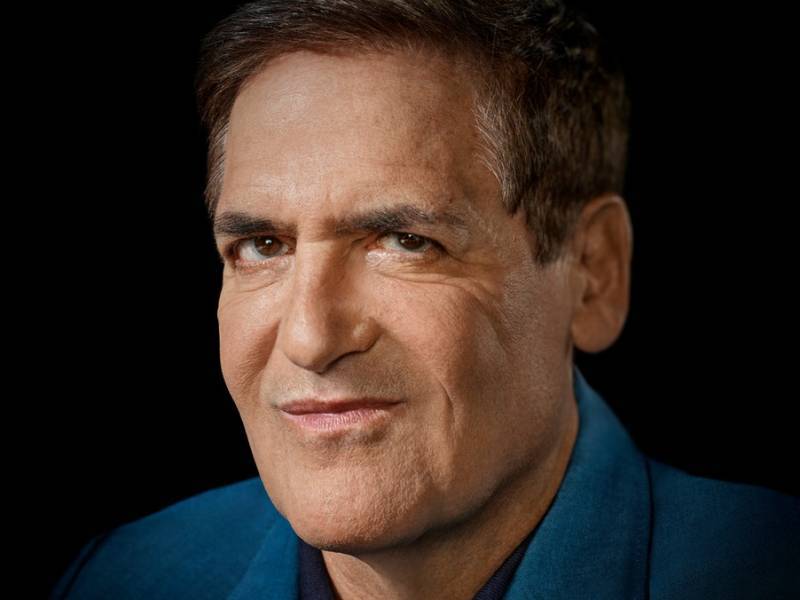
The architecture of contemporary urban music, community resilience, and historical preservation reaches a monumental peak in an extraordinary panel discussion featuring hip-hop pioneers Kurtis Blow, Rev Run, Nas, and Roxanne Shanté. Tracing the trajectory of a subculture born out of urban neglect into a global dominant movement, the conversation serves as an essential oral history of hip-hop's foundational era. In an exceptionally detailed narrative report and cultural analysis, music chroniclers examine an era defined by grassroots innovation, intergenerational mentorship, iconic career triumphs, and an unyielding commitment to honoring culture creators.
The history opens in the economically ravaged borough streets of 1970s New York City. Kurtis Blow recounts a city in deep socio-economic crisis, where systemic abandonment, burning infrastructure, and severe poverty forced young people to invent their own forms of joy. Hip-hop emerged not as an intentional commercial industry, but as a vital form of psychological escapism and community-building among neighborhood youth seeking solace from surrounding hardship. Kurtis notes that during these formative years, the movement was not yet called "hip-hop"; instead, participants described their creative kinetic energy through terms like "rocking," "breaking," or "burning." Through emotional precision, witnessing how disenfranchised youth turned neighborhood parks and sound systems into sanctuaries of collective identity underscores the raw, transformative power of human creativity under adversity.

Related article - Uphorial Shopify

Examining the sonic DNA of early rap music, the panel illuminates the often-overlooked influence of disco on the birth of the genre. Kurtis Blow describes early hip-hop as a direct "mutation of disco" or "ghetto disco," explaining how early DJs and MCs took the polished, high-energy grooves of disco records and extended their breakbeats to create long, hypnotic dance loops for block parties. Through intelligent curation of musical history, the panel dismantles popular misconceptions that rap existed in opposition to disco, illustrating instead how pioneering street artists re-engineered mainstream club records into the foundational rhythms of hip-hop culture.
Through a deep cultural understanding of community kinship, the discussion highlights the pivotal role of intergenerational mentorship in scaling the movement. Rev Run of the legendary group Run-DMC shares how Kurtis Blow took him under his wing as a teenager, providing hands-on training in DJing, mic control, and stage presence. Kurtis fondly recalls protecting a young Rev Run while touring during the wild, unpredictable days of early hip-hop, ensuring his safety and personal development in a fast-moving industry. This mentor-protégé bond directly laid the groundwork for Run-DMC to later break cross-over barriers and bring rap music into mainstream American households.
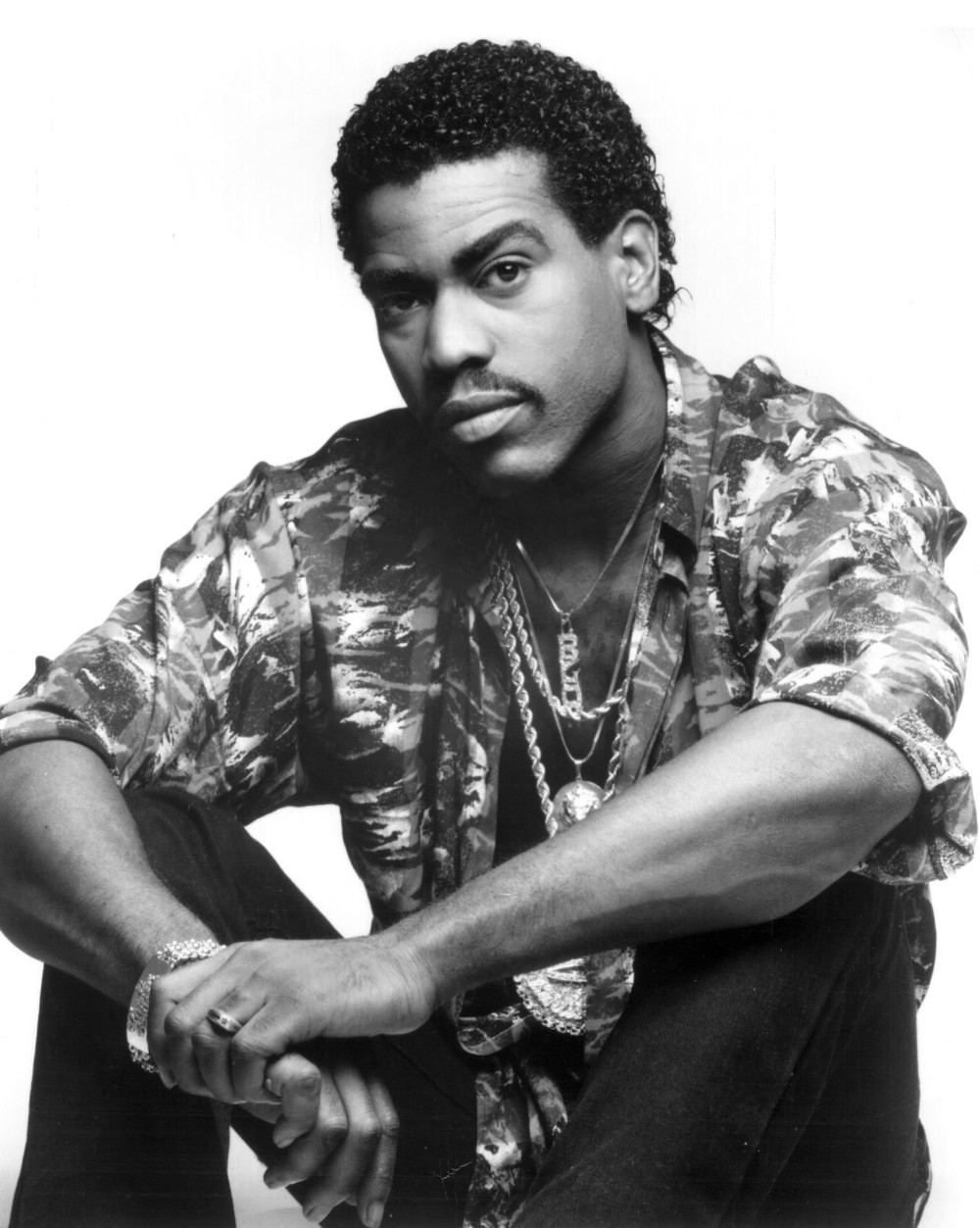
Strategic storytelling frames the conversation around iconic career milestones and cross-genre artistic encounters. Kurtis Blow recalls the historic honor of touring with reggae titan Bob Marley, as well as memorable, enigmatic interactions with pop icon Prince during the early 1980s. Connecting past and present, hip-hop icon Nas explains the profound emotional and creative impact of Kurtis Blow's classic 1985 track "If I Ruled the World." Nas reflects on how listening to Kurtis's original record as a young artist in the Queensbridge Housing Projects inspired him years later to recreate the song alongside Lauryn Hill, turning it into a timeless, multi-generational anthem of hope and black liberation.
The panel concludes with a powerful, forward-looking reflection on legacy, institutional recognition, and self-determination. Pioneer Roxanne Shanté emphasizes that initiatives like the Paid in Full movement exist to ensure that the originators who built the foundation of hip-hop receive the financial, historical, and cultural honor they deserve during their lifetimes.Through transformational framing, this historic gathering transcends simple nostalgia. It stands as a landmark cultural chronicle, proving that when community resilience, artistic mentorship, and authentic historical reverence align, a street-corner movement can reshape global culture for generations to come.