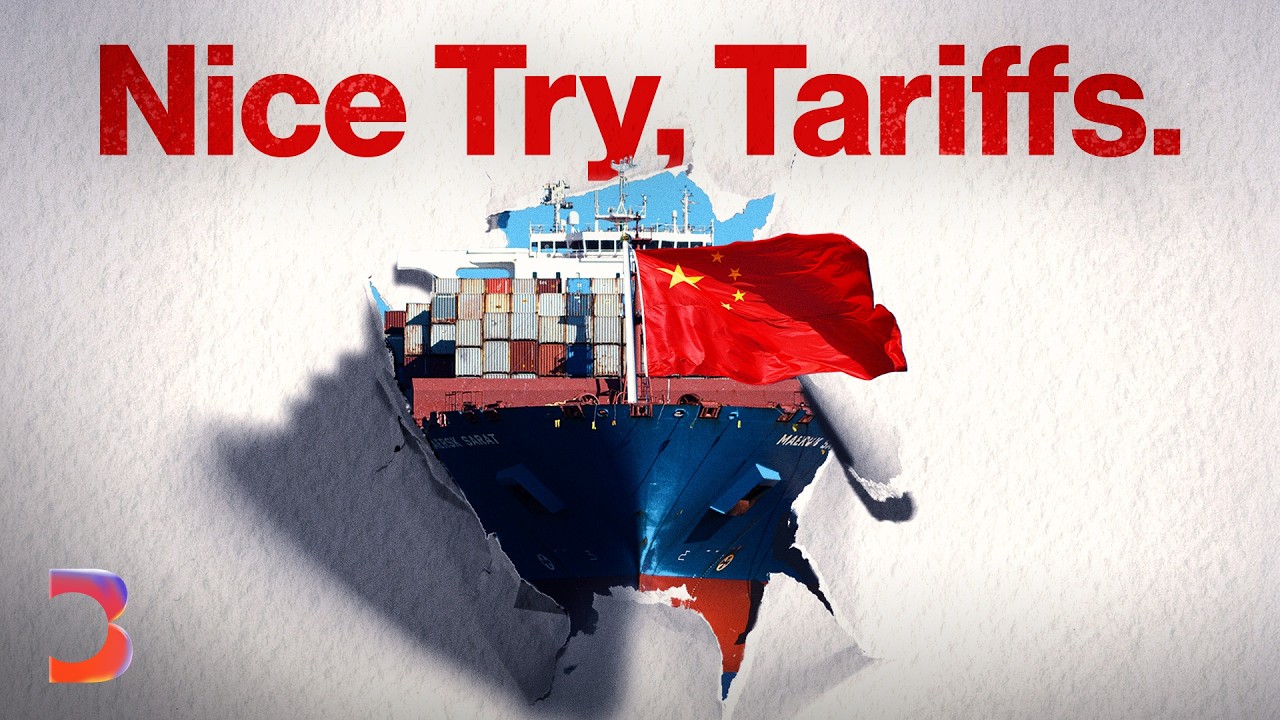
The architecture of industrial scale, value-chain reinvention, and geopolitical adaptability reaches a masterly, illuminating peak in a Bloomberg Originals investigation into how China has sustained and even accelerated its export expansion despite rising tariffs, trade barriers, and pushback from the United States and the European Union. Unpacking how an export engine forged through economic reforms and World Trade Organization accession continues to adapt under pressure, the report reveals a manufacturing titan shifting both what it builds and where those goods travel. In an exceptionally detailed economic feature report and trade chronicle, observers examine a trajectory defined by unmatched supply-chain scale, a structural climb from "the old three" to "the new three" clean-tech pillars, market diversification across Southeast Asia, Africa, and Latin America alongside third-country rerouting, AI and factory automation offsetting demographic headwinds, and an export surge reinforced by domestic property weakness.
At the structural foundation of China’s trade resilience lies an industrial ecosystem whose sheer scale and integrated efficiency remain difficult for rivals to replicate quickly. Since embarking on market reforms and joining the World Trade Organization, the country has woven dense supplier clusters, port logistics, and component networks into a high-speed production machine capable of absorbing cost shocks and adjusting output across sectors. Through emotional precision, watching decades of industrial coordination hold firm against steep tariff walls exposes the quiet weight of generational economic planning, proving that scale paired with supply-chain depth can bend trade friction without breaking momentum.
Related article - Uphorial Shopify
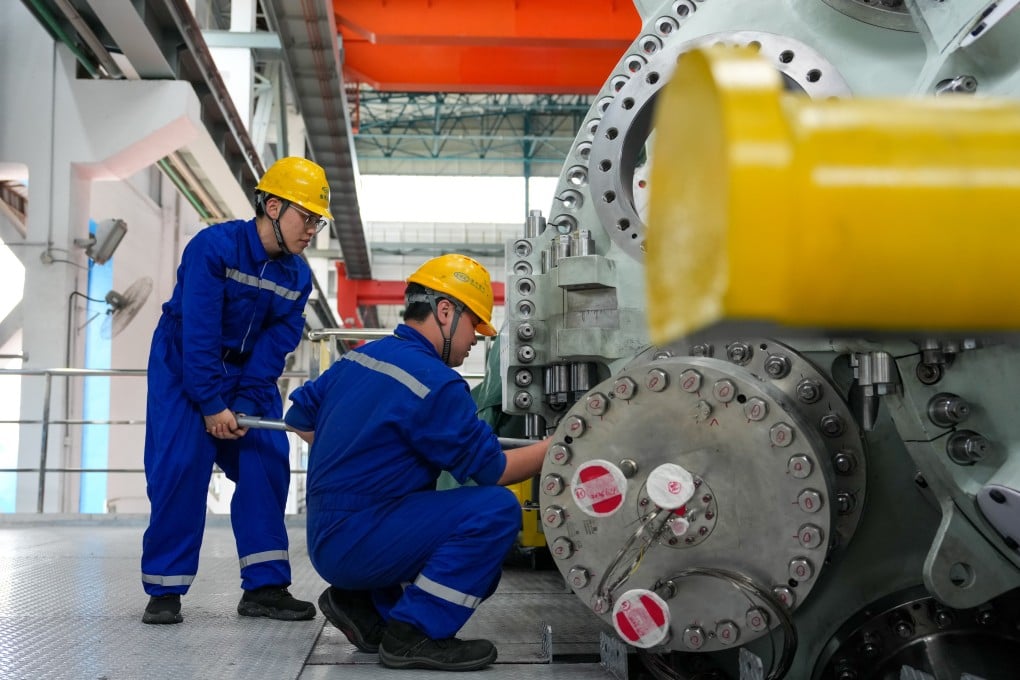
Central to that endurance is a decisive upgrade along the global value chain—moving away from labor-intensive staples often grouped as "the old three" (furniture, clothing, and appliances) toward "the new three" high-tech engines: electric vehicles, lithium-ion batteries, and solar panels. Rather than ceding ground solely on low wages, China has anchored leadership in clean-energy hardware and advanced manufacturing, turning global electrification and energy-transition demand into durable export leverage even as Western tariffs test market access.
Through intelligent curation of global trade routes, exports under pressure in traditional Western markets are finding new buyers across Southeast Asia, Africa, and Latin America, while manufacturers also route components and finished goods through third-party nations to navigate shifting tariff regimes. Emerging economies with fast-growing power, mobility, and infrastructure needs offer expanding outlets for competitively priced technology and industrial equipment.
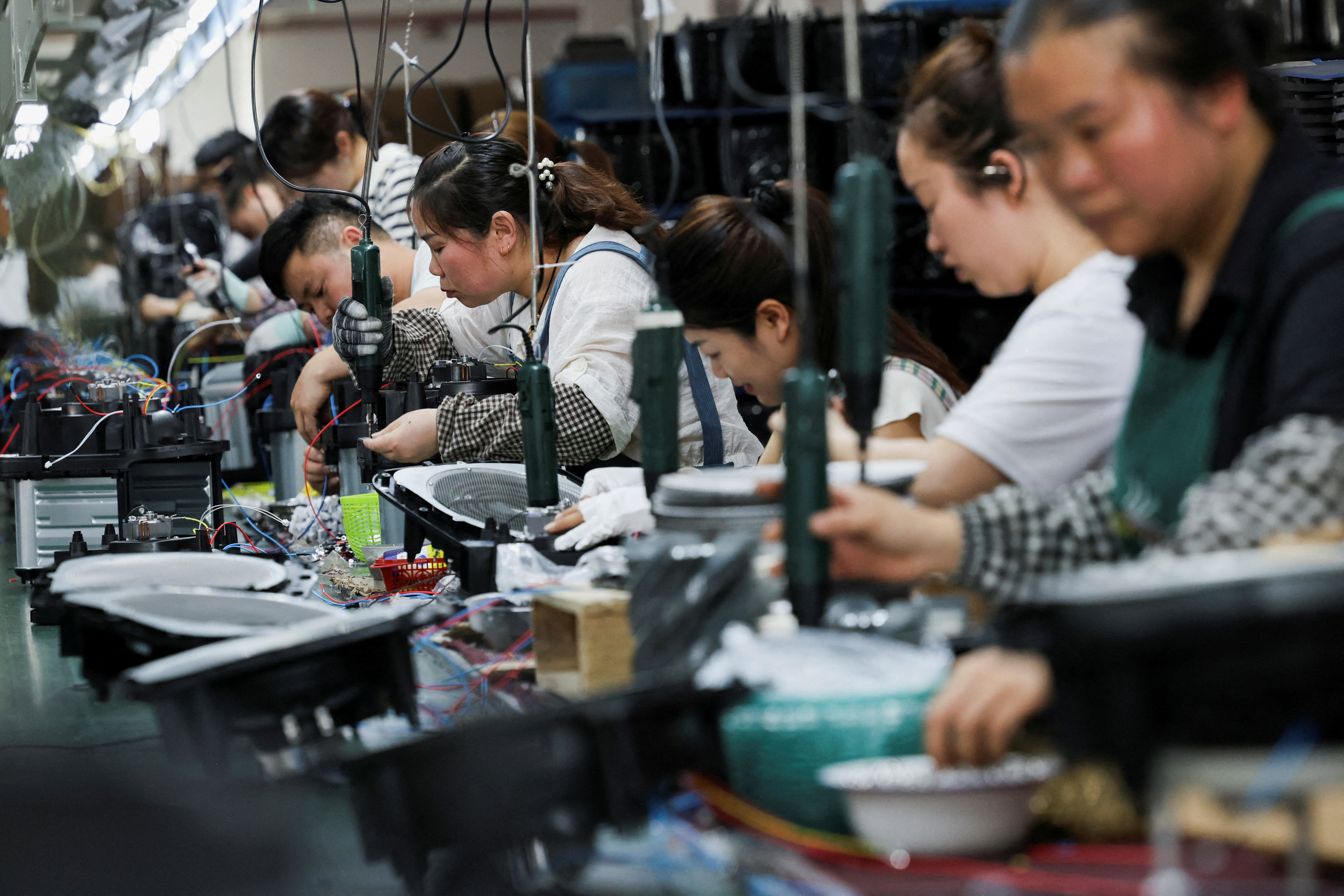
Through a deep structural understanding of demographics and industrial productivity, China is leaning heavily on artificial intelligence and robotics to keep factories competitive as its workforce ages and domestic wages climb. Smart automation raises throughput, tightens quality control, and preserves cost advantages—allowing output to expand despite shrinking labor-supply tailwinds.
Equally revealing is the domestic pressure driving outward momentum: sluggish household demand tied to a prolonged property market downturn has left internal consumption subdued, making overseas markets vital to sustaining growth and keeping factories running. Because external demand carries so much weight for overall economic stability, policymakers and producers remain tightly committed to defending export competitiveness regardless of geopolitical headwinds.
Strategic storytelling binds China’s post-reform and WTO supply-chain scale, its pivot from "the old three" to "the new three" (EVs, lithium-ion batteries, and solar panels), export expansion into Southeast Asia, Africa, and Latin America alongside third-country rerouting, AI-driven factory automation, and domestic property-linked fragility into a cohesive portrait of modern global trade.Through transformational framing, this Bloomberg Originals chronicle of China’s export resilience transcends routine tariff updates. It stands as an enduring economic and geopolitical chronicle, proving that when industrial scale, clean-tech value upgrades, emerging-market pivots, factory automation, and domestic growth imperatives converge, trade flows rise beyond simple import-export tallies—becoming a defining test of how globalized supply chains adapt in a fragmented world.