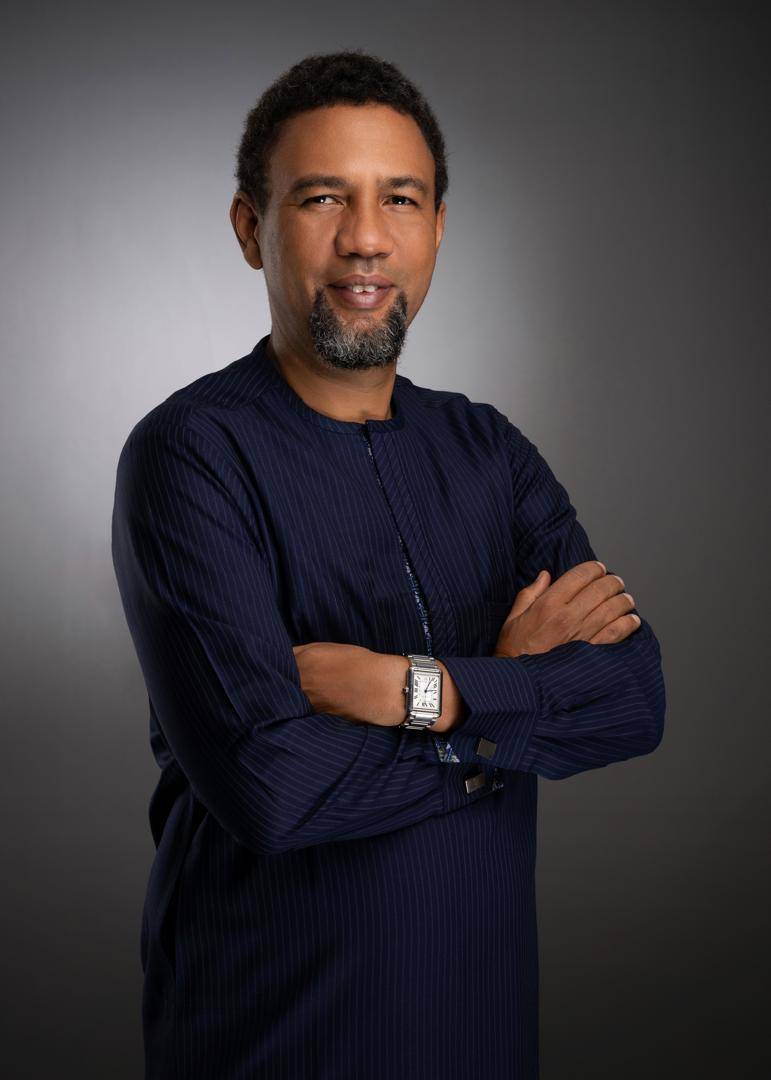
Anthony Otaigbe never thought his inability to speak his native language would become the seed of something larger than himself. He grew up hearing fragments of Esan, a language belonging to the Edo people of Nigeria, but like many children of the diaspora, he struggled to hold on to it. Words slipped away, tones felt foreign, and what should have been his birthright began to feel like a borrowed garment.
This personal gap became a quiet ache, one that grew louder each time he tried to connect with his culture through conversations he couldn’t fully follow. And yet, rather than accept the silence, Anthony transformed it into a mission. What began as a personal struggle evolved into a powerful platform now known as Izesan, an edtech app that teaches African languages to people around the world.
Anthony’s story is not just about technology. It is about reclamation. It is about the courage to say, “If I can’t find the bridge back to my roots, I will build it myself.” With no funding, no roadmap, and no founding team to lean on, he coded his way through uncertainty. He started with one simple question: How many others feel the same disconnection I feel? The answer was vast.

Related article - Uphorial Podcast

Izesan now carries the weight of over 15 African languages, Yoruba, Swahili, Igbo, Zulu, Esan, and more, digitally preserved and made accessible through interactive lessons. For a generation spread across continents, children raised in foreign lands, or adults seeking to repair the thread between themselves and their ancestry, this app became more than just a tool. It became a homecoming. Listening to Anthony on Founders Friday, sitting across from Ritchie, you don’t hear the polished pitch of a tech founder rehearsing for investors. Instead, you hear a man who has tasted cultural absence and decided that no other child, no other parent, no other family should ever feel that same distance. He speaks about identity with a tenderness that comes only from loss, and about technology with the grit of someone who refused to wait for validation.
And this is where his journey becomes universally relatable. Strip away the lines of code, the app features, and the startup grind, and you’re left with the core truth: Anthony built Izesan because he wanted to belong. That desire for belonging is something we all understand. For some, it comes in learning a grandmother’s recipes. For others, in revisiting ancestral villages or reading family journals. For Anthony, it came through designing digital classrooms where voices long forgotten could speak again.
The genius of Izesan lies not in its interface, but in its intention. It isn’t simply about language. It’s about memory, pride, and continuity. When a young boy in New York can learn Yoruba, or when a girl in Nairobi can type fluently in Swahili after practicing in-app, they’re not just learning, they’re carrying forward legacies that colonization, migration, and modern displacement tried to mute. What makes Anthony remarkable is that he dared to solve this problem without permission. Many founders wait for investors, for perfect timing, for “the right conditions.” Anthony didn’t. He built because the problem was too personal to ignore. That urgency is what makes Izesan not just a product, but a movement.
The journey of Izesan is still being written. But even in its early chapters, it already proves something timeless: that identity is worth protecting, and technology, when wielded with heart, can become a vessel for preservation. Anthony’s story reminds us that sometimes the greatest innovations are not born out of profit, but out of longing. If you’ve ever wondered what happens when culture meets code, if you’ve ever asked yourself what it takes to turn a personal pain into a global solution, then Anthony Otaigbe’s story is your answer. His path is a call to creators everywhere: the problems closest to your heart may just be the ones you were born to solve.