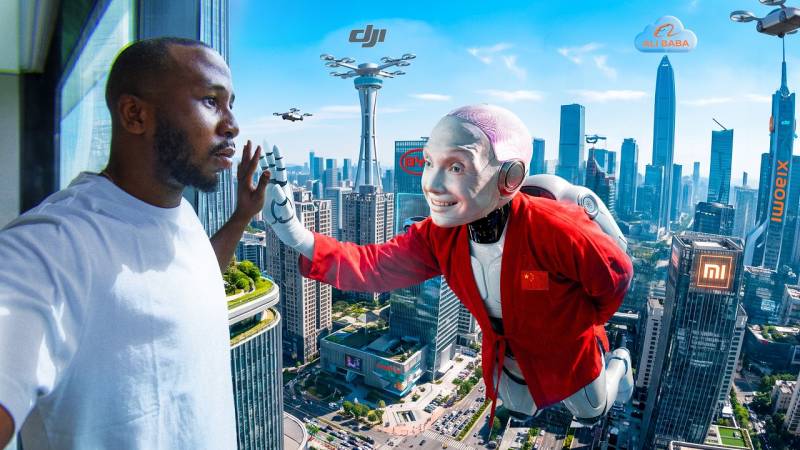
The screen opens on Mr. Henderson, not with dramatic flair, but with a tone of quiet urgency. “For years, having a second passport was enough… but that’s changed.” What unfolds is not a travel instructor’s guide, but a meditation on the fragility of freedom in our fracturing world.
At its surface, the episode calls for a third passport, a practical strategy. But let’s go deeper: this is a reflection on identity, on the shifting landscapes of belonging, and on the invisible walls that rise even when borders are supposed to fall.
Mr. Henderson’s impassioned case for that third passport isn’t simply about evading red tape or chasing global access. It’s about recognizing that nationality, once a stable anchor, has become porous, subject to politics, geopolitical friction, and the growing suspicion of global citizens.
Related article - Uphorial Radio
Nomad Capitalist
That unease mirrors something deeper, something I recently came across in a July 24, 2025, Guardian piece titled “citizenship insecurity.” Citizens in the U.S. now find themselves estranged from the very values they once held dear. The U.S. passport, a symbol of mobility and security, now feels brittle, carrying with it anxiety, disillusionment, and a creeping sense that home might no longer be home.
This is not the fear of persecution; it’s a philosophical rupture. Citizenship becomes less about privilege and more about refuge. Identity becomes fluid. And that’s when the idea of a third passport, not merely as a backup, but as a lifeline, becomes profound.
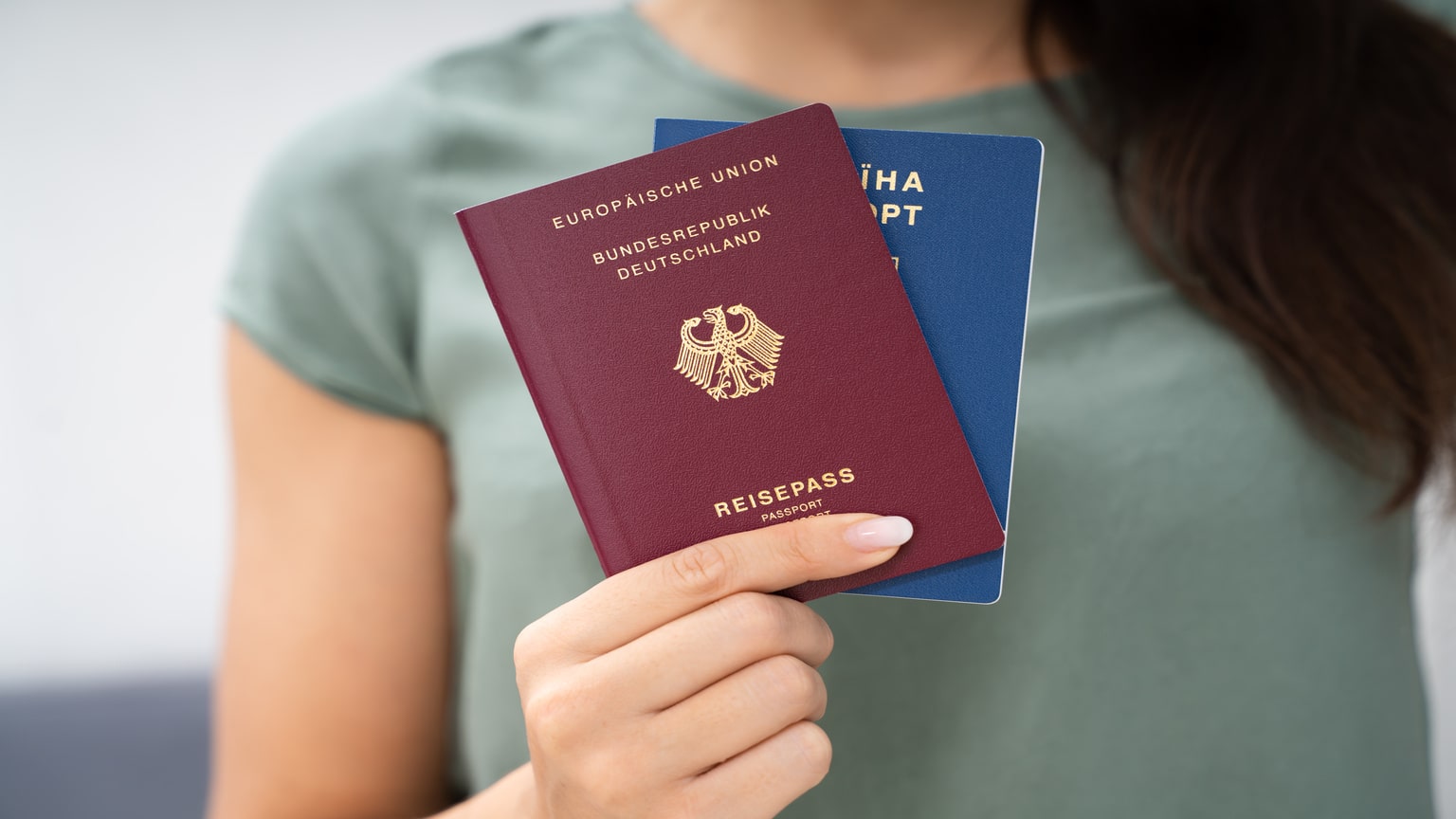
Recently, policy shifts in countries like Germany added layers to this narrative: as of June 2024, Germany now permits dual or even multiple citizenships without restriction, recognizing that personal choice, history, and safety sometimes demand legal plurality. This isn’t just a legal adaptation, but a tacit acknowledgment that one nation may be insufficient for modern life.
All this transforms the passport from paper to poetry: a tool of survival, identity, and hope. Behind every stamped page lies a narrative—of families navigating exit bans, of entrepreneurs battling asset freezes, of scholars seeking stability in scholarly exile.
Take my cousin, a historian who felt the ground shift beneath her feet after recent travel restrictions soared, “My two passports weren’t enough when my home turned cautious,” she told me. “It was then that I began the slow journey toward a third one, not for luxury, but for liberty.”
Mr. Henderson doesn’t just name the problem; he offers solutions. He highlights second- and third-passport programs that grant you the strategic edge: diversification across stable legal systems, safeguarding assets, and unlocking visa-free access. Yet his narrative is not transactional; it’s existential.
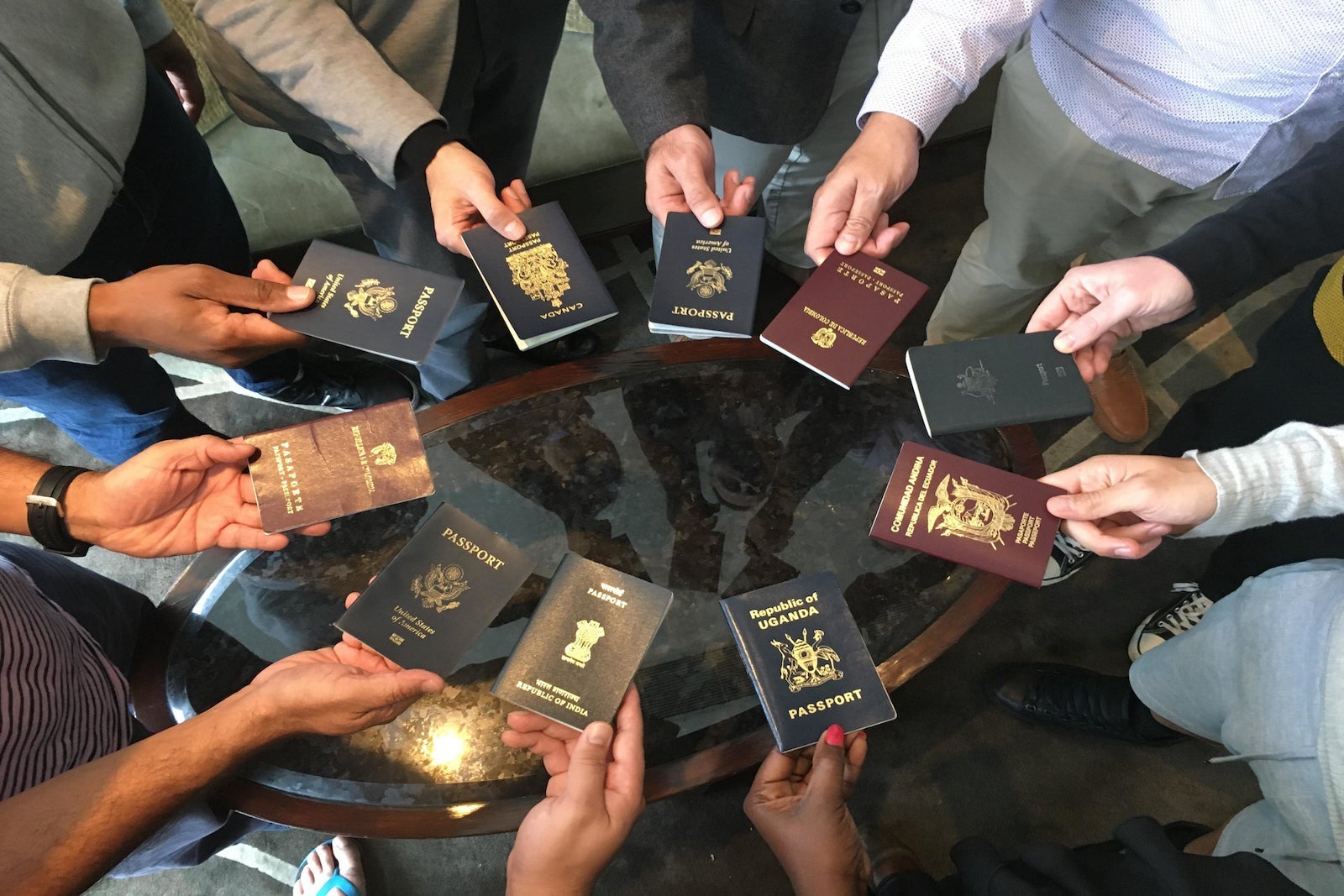
Let’s not forget: when we speak of multiple passports, we speak of multiple lifelines. In Europe, Gen Z is chasing EU passports—not just as travel incentives, but as statements of belonging and future security. It’s a generational yearning for root and reach, for identity and exit, for both history and horizon.
So what does that mean for you? It means your journey, like Henderson’s, begins with awareness. It grows into action, learning about the programs, laws, and lifelines available. But it must also carry feeling. Recognize that this is not about escape—it’s about building bridges: between nation and self, between freedom and contingency.
In a world tilting toward isolationism, where passports lose value and values shift, your citizenship portfolio becomes a personal manifesto: a statement that your freedom is your own to protect.
When the credits roll, or your screen fades, you aren’t just a viewer. You are that traveler standing at the edge of possibility, drafting your safety net not from fear, but from foresight. This is why two passports no longer suffice: because the heart, like history, knows no borders.