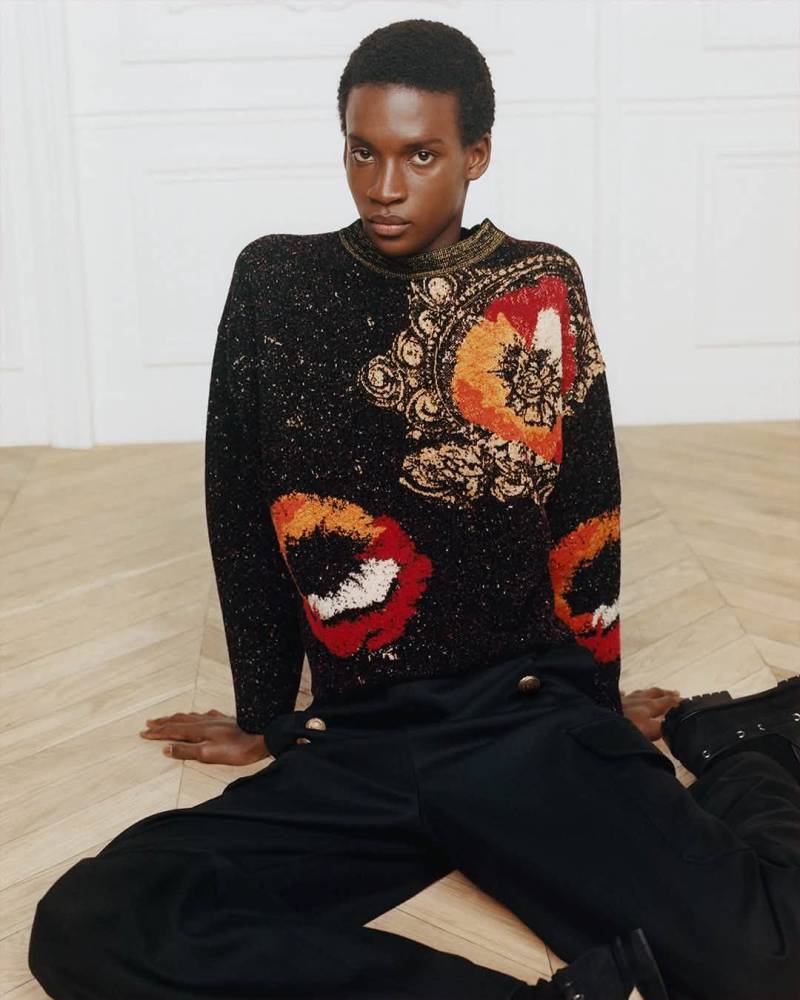
MILA N – The 2026 global fashion landscape witnessed a tectonic shift as Milan’s Palazzo delle Scintille hosted the highly anticipated Gucci Primavera show. The event served as the definitive debut for Demna, whose transition to the creative directorship of the House has been the industry’s most closely watched narrative of the year. Moving away from the flamboyant maximalism of the brand’s recent past, this inaugural collection signals a sharp pivot toward a vision of Gucci that is less about ornamental excess and more about the visceral, physical presence of the body. By reimagining the sleek, provocative glamour of the House's historical codes for a modern audience, the show introduced a chapter defined by a raw, contemporary edge and an uncompromising focus on the future of luxury.
Central to this new direction is a reimagined brand philosophy that positions Gucci as a shared cultural touchpoint rather than an insular luxury label. Demna’s debut presents Gucci not as a static entity, but as a living, breathing participant in global culture—one that is restless, curious, and fully aware of its own storied history. The collection was designed explicitly as a medium to bridge the gap between long-term admirers of the House and a new, diverse generation of followers. By stripping away layers of artifice, the creative direction aims for Gucci to be felt rather than merely observed, fostering an immediate, emotional connection that resonates across a wide spectrum of personal styles and global identities.

Related article - Uphorial Shopify

This push for cultural inclusivity was reflected in a runway that featured a broad array of archetypes, tastes, and dress codes. The collection moved seamlessly through a varied palette of identities, presenting a wardrobe that refused to be pinned down to a single aesthetic. From sharp, structured tailoring to more fluid, experimental silhouettes, the garments served as a mirror to the multiplicity of the modern wearer. By presenting such a diverse range of expressions, the collection successfully illustrated a new "wardrobe system" approach, where individual pieces are designed to be adaptable and resonant with a vast array of personal identities, ensuring that the House remains a relevant force in an increasingly fragmented stylistic world.
.jpg)
The atmosphere of the presentation was equally critical in establishing this new era, defined by a moody and immersive sonic experience that transformed the historic venue into a sensory vault. The soundtrack was built on recurring musical motifs that leaned into themes of intensity and sensory memory. Repeated lyrical emphasis on "Heat" echoed through the space, providing a rhythmic pulse that mirrored the physical presence of the designs. Emotive lyrics regarding secrets and the haunting nature of memory helped set a tone that was both intimate and expansive. This auditory backdrop worked in tandem with the visual presentation to ensure that the audience's experience was total, moving beyond the visual to engage the senses in a way that felt both nostalgic and radically new.
As the show reached its climax, the consensus among the international fashion community was one of profound rebirth. The Primavera collection has effectively laid the groundwork for a new linguistic framework for the House—one that values Italian craftsmanship and archival legacy but insists on a pragmatic, contemporary relevance. By the time the final look departed the runway, the debut had successfully navigated the immense weight of expectation, declaring a new standard for the year ahead. This is a Gucci grounded in the present, driven by an immersive sensory experience, and designed to engage with the world as a vibrant, living cultural touchpoint.