The storied asphalt of Brands Hatch, with its undulating curves and unforgiving elevation changes, has long served as the ultimate proving ground for the world’s elite GT drivers. In the recent second race of the Sprint Cup, that tradition of high-stakes theater was upheld in spectacular fashion. What unfolded was not merely a contest of speed, but a sophisticated, tactical war of attrition where precision, composure, and sheer competitive ferocity dictated the hierarchy of the podium. At the epicenter of this drama was the Lion Speed GP team, whose performance on the day stands as a definitive marker of their arrival as a dominant force in the championship.
From the moment the lights vanished, the race was defined by a stark contrast between the serene stability at the front and the chaotic scramble in the pack. Bastian Buus, piloting the Lion Speed GP entry, executed a start that was both disciplined and authoritative. While the rest of the field engaged in an immediate, aggressive jostling for position through the opening turns, Buus maintained his line with the cool detachment of a seasoned veteran. It was the beginning of an unbroken command of the race, as he and his co-driver, Ricardo Feller, proceeded to convert their pole position into a comprehensive, wire-to-wire victory. For Lion Speed GP, the win was a milestone moment, representing their first outright success at this level of competition—a victory that was as much about the meticulous preparation of the garage as it was the execution on the track.
The intensity of the pursuit was palpable, as Danny Junkadella and Chris Lullen fought tirelessly to close the gap, ultimately securing a well-earned second place. Rounding out the podium were Luca Engstler and Maro Engel, who navigated the chaotic middle-field battles with enough tactical acuity to claim third. Yet, the race was far from a frictionless exhibition. The brutal reality of sprint racing surfaced early, when a high-speed collision involving Alex Ara and Morris Schuring resulted in severe suspension damage, forcing the immediate retirement of the Audi. It was a sobering reminder of the razor-thin margin between tactical ambition and catastrophic failure—a theme that would reverberate through the classification as stewards intervened with a series of penalties that reshuffled the standings long after the dust had initially settled.

Related article - Uphorial Shopify
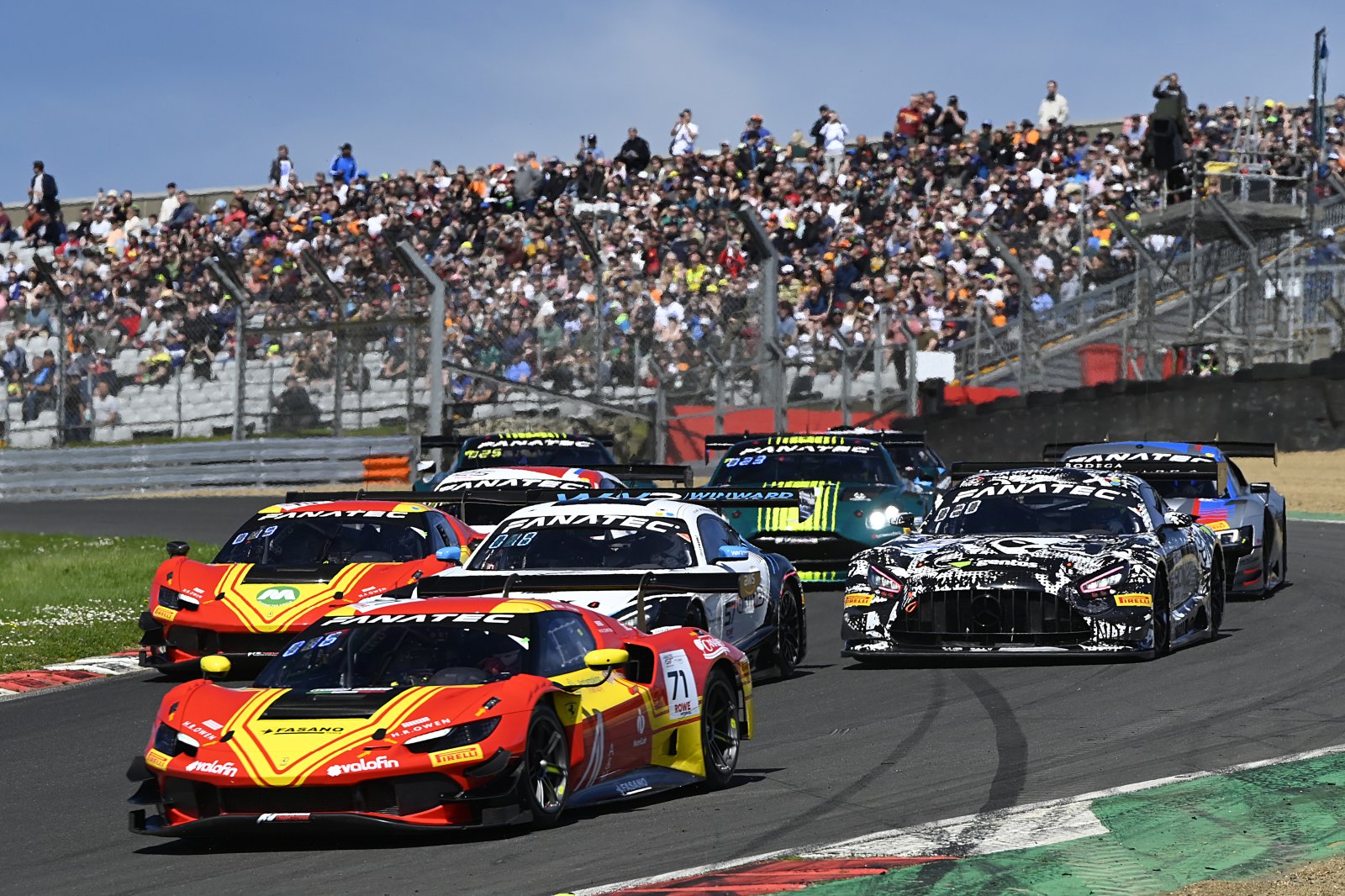
The race’s narrative architecture was built around the mandatory pit-stop phase, a period that always serves as a pivot point in endurance-influenced sprint formats. For teams like WRT, the stop was a pressure cooker of tactical decision-making, where the quest for efficiency had to be balanced against the risks of a lightning-fast turnaround. Despite encountering minor delays, their ability to stabilize their position through the reshuffle was a testament to the depth of their strategic bench. It is in these moments, away from the visceral spectacle of the corners, that the true character of a racing team is revealed—the ability to remain calm when the rhythm of the race is forcibly interrupted and the order of the field is thrown into flux.As the race entered its final, high-pressure minutes, the dynamics shifted from raw pace to the strategic management of traffic. For Ricardo Feller, the leader of the pack, the closing stages became a psychological tightrope. Navigating a sea of backmarkers, he was forced to balance the need for defensive positioning against the necessity of maintaining his gap to the charging Junkadella. Every lapped car represented a potential hazard, an unpredictable variable that could erase the hard-won advantage of the previous hour. Feller’s performance during this final stretch was a masterpiece of emotional precision; he navigated the congestion with a measured intensity, never once allowing the pressure of the pursuit to induce a catastrophic error.
Beyond the overall battle for the win, the race featured the nuanced successes of the class structures, which provide their own layers of narrative depth. In the Silver Cup, Mattia Di Martino demonstrated a level of consistency that placed him above his peers, securing a class victory that was both measured and earned. Similarly, in the Gold Cup, the pairing of Romain Andriolo and Simon Gachet navigated the complexities of their field to claim top honors. These individual class battles, often occurring in the shadows of the overall lead, are the lifeblood of the series, showcasing the depth of talent that extends far beyond the final podium finishers.
The victory for Lion Speed GP at Brands Hatch is a transformational framing of their trajectory for the remainder of the season. They have proven that they possess the combination of qualifying speed, race pace, and tactical maturity required to challenge the established heavyweights of the series. The race was an embodiment of the sport’s most enduring appeal: it is a complex, multi-layered drama where human judgment, technical performance, and the sheer unpredictability of the machine collide to create a singular experience. As the Lion Speed GP drivers crossed the line to accept the checkered flag, they were not just celebrating a win; they were validating years of incremental effort and the relentless pursuit of perfection that defines the highest echelon of motorsport. The Sprint Cup at Brands Hatch was, in every sense, a testament to the enduring reality that in this sport, nothing is given, and every inch of the track must be fought for with absolute conviction.