BOSTON - The roar that echoed through Boston Stadium on the night of June 29, 2026, was not merely the sound of a crowd celebrating a victory; it was the seismic shift of a tectonic plate in the world of football. When the final penalty hit the back of the net, a four-decade-old ghost was finally laid to rest, and a myth was shattered. Germany, the perennial masters of the penalty spot—the side whose composure under pressure had defined their clinical dominance for generations—had finally blinked. In a Round of 32 clash that will be dissected, debated, and whispered about in hushed, reverent tones for decades, Paraguay achieved the impossible, turning a tournament narrative on its head and scripting one of the most stunning upsets in the history of the FIFA World Cup.
The match began with a strategic friction that defined the early exchanges. Germany, heavy favorites and playing with the swagger of a four-time champion, sought to impose their technical superiority, monopolizing possession and probing for gaps in a tightly coiled Paraguayan defensive structure. Manager Gustavo Alfaro had prepared his side for the ultimate trial, setting them in a disciplined, compact formation that surrendered territory but fiercely protected the space between the midfield and the backline. For 42 minutes, it was a game of patience against wall-like resistance. Then, the silence of the German pressure was broken. From a recycled corner, Miguel Almirón orchestrated the transition, sliding a ball to Matías Galarza, whose curling cross found Julio Enciso unmarked. Enciso’s header was a masterclass in timing, a downward strike that bounced awkwardly past Manuel Neuer, signaling a seismic shift in belief for the South American side.

Related article - Uphorial Shopify
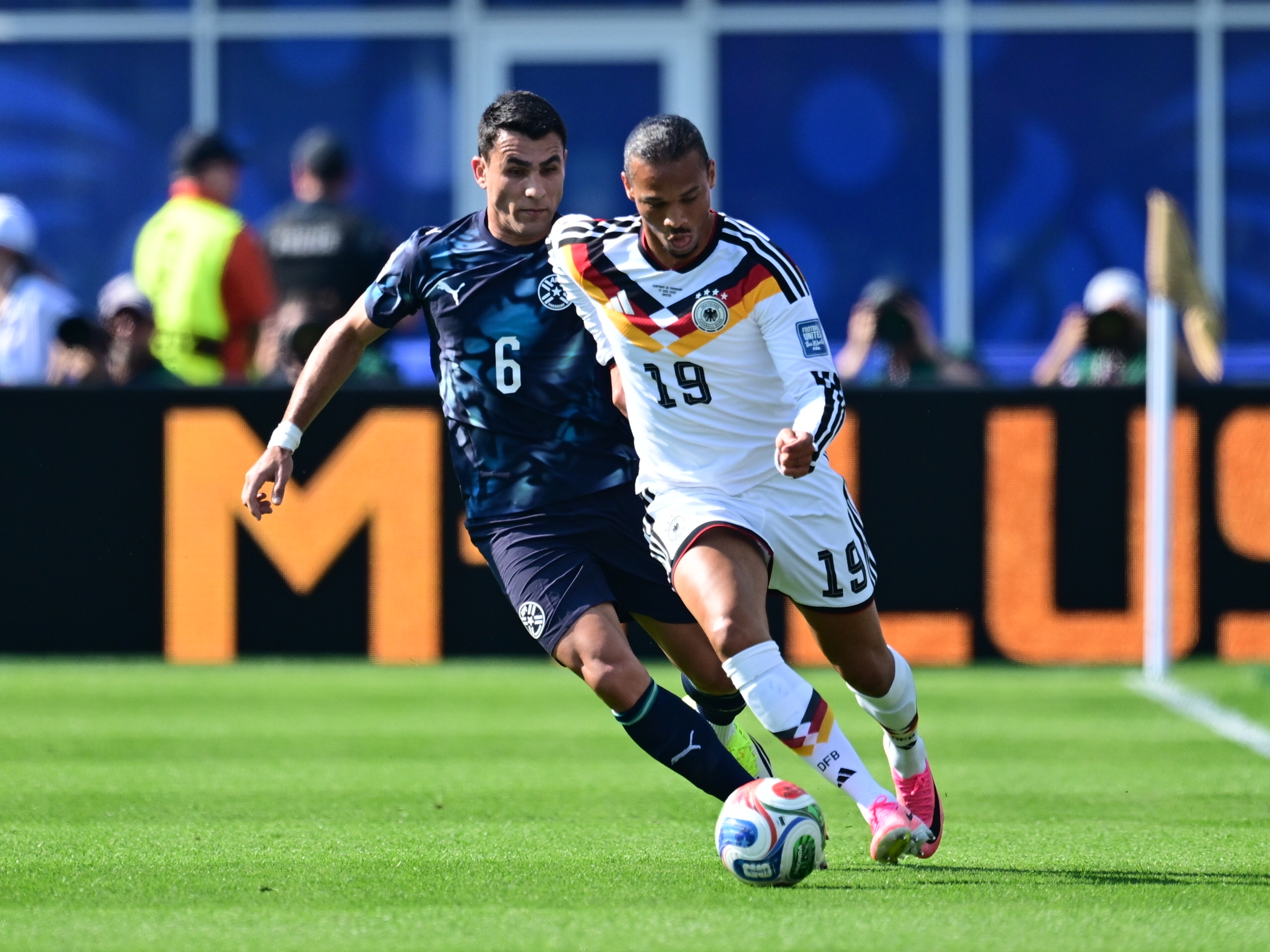
As the second half unfolded, the tactical battle intensified. Julian Nagelsmann’s side emerged from the locker room with heightened urgency, shifting their focus toward the flanks to bypass the congested middle. The breakthrough came in the 54th minute, an exercise in precision where Florian Wirtz delivered a tantalizing ball into the box, met by the clinical glancing header of Kai Havertz. The equalizer seemed to reset the expected trajectory of the match, as Germany began to tighten the noose, relentlessly pounding on the Paraguayan defenses. Yet, in the theater of the extraordinary, narratives are rarely linear. As the match bled into the exhausting duration of extra time, the stadium held its breath when Jonathan Tah powered a header into the net. For a fleeting moment, Germany saw their path to the Round of 16 cleared. But in a tournament defined by technology and fine margins, the referee’s path to the screen was inevitable. A VAR review, citing a foul by Waldemar Anton on the goalkeeper, stripped the goal from the scoreboard, leaving the Germans visibly incensed and the momentum hanging in a fragile, suffocating balance.
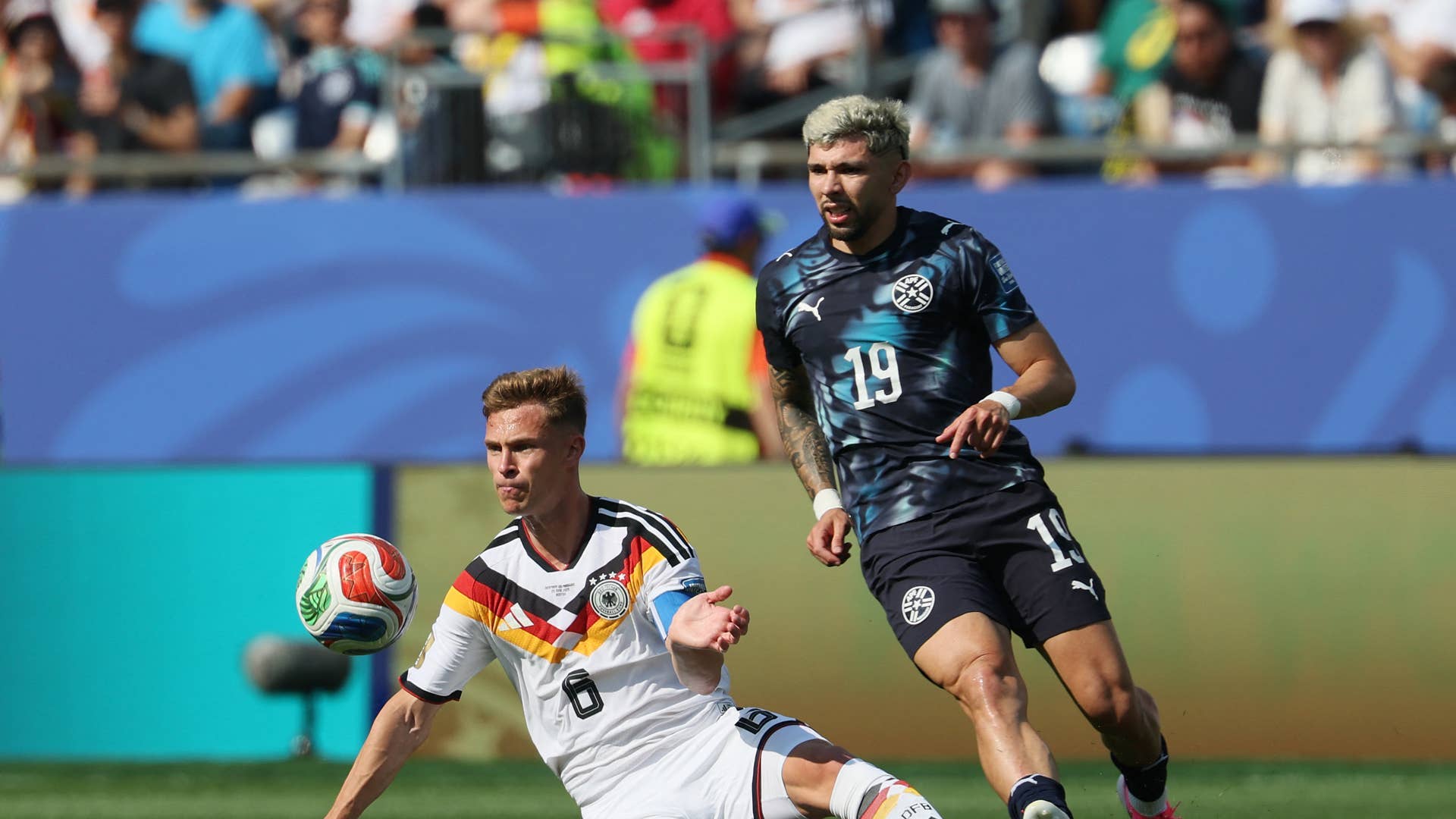
The penalty shootout that followed was not just a test of technique; it was a psychological crucible. Germany, a team that had built its international legacy on an almost supernatural ability to convert from twelve yards, found their once-impenetrable armor crumbling. Kai Havertz, who had provided the lifeline in regulation, saw his opening effort saved by the heroic Orlando Gill, a goalkeeper who until this match had never played for a club outside his homeland. The nerves were palpable, the stakes atmospheric. As the shootout swung back and forth, both nations exchanged misses and moments of brilliance. When Jonathan Tah stepped up with the fate of the match in his boots, the weight of history hung on his shoulders. He blazed the ball over the bar, leaving the door wide open for Paraguay. José Canale, stepping into the void where legends are made, approached the spot with a calm that defied the chaos swirling around him. He smashed the ball into the top corner, and in that split second, the long-standing German mystique evaporated.
For Paraguay, this victory was transformational. It was more than a statistical anomaly; it was a validation of discipline, tactical intelligence, and a collective refusal to bow before the weight of a giant’s reputation. For Germany, the exit serves as a sobering, painful punctuation to a tournament that promised so much. The defeat leaves them to grapple with the end of a psychological streak that had survived the turnover of players, managers, and regimes for 44 years. As the dust settles in Foxborough, the lasting image of this night will not be of a juggernaut marching on, but of a team that believed in the improbable, forcing the world to acknowledge that even the most enduring legends are eventually subject to the unpredictable, exhilarating, and ruthless nature of the beautiful game.