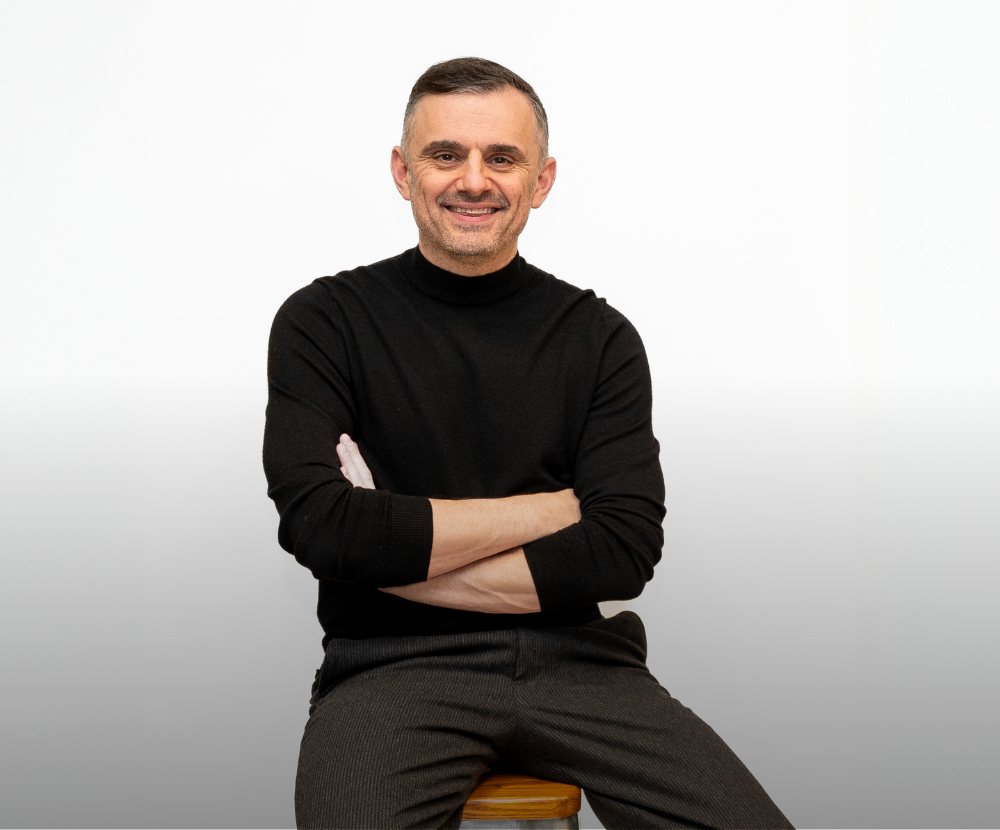
In the relentless velocity of the modern business landscape, the definitions of success are undergoing a fundamental, tectonic shift. In a recent, wide-ranging dialogue between powerhouse entrepreneur Emma Grede and the prolific marketing authority Gary Vaynerchuk, the conversation transcended the standard discourse of ROI and scaling to address the human architecture required to thrive in the years to come. At the heart of their exchange was a bold, potentially paradigm-shifting proposition: that the era of aggressive, win-at-all-costs ambition is waning, to be replaced by a new market reality where kindness, integrity, and radical emotional intelligence are the ultimate competitive advantages.For Vaynerchuk, the primary obstacle to this new era of success is not a lack of resources, but the corrosive, pervasive nature of insecurity. He posits that while insecurity may serve as a potent, combustible fuel during the nascent stages of an entrepreneurial journey, it is a fundamentally unsustainable engine for long-term growth. When insecurity stops being a catalyst and starts being a constraint, it blinds leaders to opportunities and traps them in a cycle of defensive decision-making. The transition from a career defined by the need to prove oneself to one defined by the desire to build oneself is, in his view, the single most important pivot any entrepreneur can make.
This shift toward internal stability is inextricably linked to a predicted return of civility in the public square. Vaynerchuk argued that the current digital culture, often characterized by performative aggression and fleeting, polarized engagement, is nearing a saturation point. As consumers become increasingly discerning, the reputation of a brand or a creator will inevitably emerge as the most underpriced asset in the global economy. Kindness, when practiced with authentic intent, is no longer a soft skill to be relegated to the sidelines; it is a structural necessity. This is perhaps best exemplified by Vaynerchuk’s own management philosophy, which he calls "Kind Candor"—a rigorous commitment to delivering difficult, hard-hitting feedback with a genuine, constructive intent. By decoupling criticism from personal animosity, he suggests that leaders can foster environments where accountability thrives without the toxicity of fear.Accountability, in this framework, is the definitive binary of a life well-lived. Vaynerchuk’s stance on self-responsibility is uncompromising: there is no space for the comfort of external blame. Whether it is the shifting tides of politics, the unpredictability of luck, or the structural barriers of an industry, Vaynerchuk argues that defaulting to external factors is a symptom of a failure to own one’s path. In a world that offers an infinite number of excuses for stagnation, the individual who chooses radical self-responsibility gains an immediate, profound edge. It is a philosophy of total agency, one that empowers the individual to act not as a victim of the circumstances, but as the architect of their own response
Related article - Uphorial Shopify

As they transitioned into the practical mechanics of the current market, the conversation turned toward the tangible opportunities defining the present moment. Vaynerchuk was particularly bullish on the explosive, under-utilized potential of TikTok Shop and the broader emergence of live shopping. For many creators and brands, these platforms are still being viewed through the narrow lens of vanity metrics or temporary trends, but Vaynerchuk sees them as the foundational infrastructure for the next generation of commerce. The ability to bridge the gap between content and conversion in real-time is not just a digital strategy; it is a fundamental shift in consumer behavior that rewards those who are willing to experiment early and often.
For the aspiring entrepreneur starting from zero, the advice from both Grede and Vaynerchuk was grounded in the transformative power of proximity. They argued that there is no substitute for being in the room where the work is happening. This concept of "osmosis"—the ability to learn by simply existing within the orbit of successful people and high-functioning environments—is the ultimate accelerator. It is the practice of observing the nuances of how problems are solved, how decisions are made, and how failures are navigated, long before one has the authority to make those calls themselves. For those without immediate access, Vaynerchuk advocated for becoming an obsessive student of culture. By training oneself to watch consumer behavior with the intent of a researcher, an entrepreneur can spot market opportunities while they are still in the quiet, nascent stages, long before they become the mainstream consensus.
The conversation between Grede and Vaynerchuk served as a diagnostic for the future of professional life. It painted a portrait of a landscape that is becoming increasingly intolerant of mediocrity and performative success, while simultaneously opening doors for those who are willing to do the deep, uncomfortable work of emotional development. As we move deeper into this decade, the distinction between those who merely survive the market and those who define it will be measured not by the complexity of their funnels or the scale of their reach, but by the depth of their reputation and the clarity of their accountability.Ultimately, the takeaway from this exchange was one of profound optimism framed within a high-stakes reality. The modern era is not a threat to the ambitious; it is a filter. It demands that we bring our full, integrated selves to the marketplace—our kindness as much as our competence, our integrity as much as our intellect. For the entrepreneur, the challenge is clear: build a business that is not only profitable but also resilient, founded on the bedrock of genuine reputation and the courage to take absolute ownership of every outcome. In a world that is constantly changing, the only truly stable asset is one’s own character, and in the estimation of these two seasoned observers, that is exactly where the next great fortunes will be built.