The story begins in a Serrekunda clinic, where a one-month-old girl arrived bleeding, unconscious, and beyond the reach of medicine. In the days since, Gambian police have charged three women, one facing life imprisonment, two as accomplices, after confirming the infant had been subjected to female genital mutilation (FGM). The case is the first of its kind since lawmakers rejected a push to roll back the country’s 2015 FGM ban, a defining test of whether the law holds when blood is still fresh and grief is still raw.
What makes this moment different is not only the horror of a life lost, but the collision of culture, law, and courage made visible. Gambia criminalized FGM in 2015; in July 2024, its National Assembly withstood intense pressure to repeal the ban. Activists called that vote a “historic win,” but warned that a law without enforcement is a promise without weight. This case forces the promise to carry something heavy, justice for a child who will never speak.
Related article - Uphorial Podcast

Numbers, as ever, are both clarifying and numbing. UNICEF estimates roughly three in four Gambian women aged 15–49 have undergone FGM, placing the country among the highest-prevalence nations in the world. That figure doesn’t reveal the clandestine reality: newborns, infants, and toddlers taken in silence to informal cutters who operate beyond clinics, records, and anesthesia. It doesn’t convey the aftermath, shock, infection, childbirth complications, trauma, but it explains why one prosecution has the power to jolt a nation.
To understand how we got here, listen to the women who have refused to be quiet. Fatou Baldeh, survivor, organizer, relentless witness, spent last year moving between parliament corridors and village courtyards, translating data into human stakes. Her message was simple: if the law retreats, girls will bleed. When the repeal failed, the world applauded. Then came the infant’s death, a reminder that bans are beginnings, not endpoints. Activism opened the door; accountability must walk through it.
On the ground, police now say the Women’s (Amendment) Act, 2015, the statute that criminalized FGM, underpins the charges. That matters. It signals to cutters, families, and community leaders that the law is not ornamental. It tells health workers that reporting isn’t a betrayal of culture but an act of protection. And it tells survivors that their testimony has changed more than headlines; it has altered the balance of consequence.
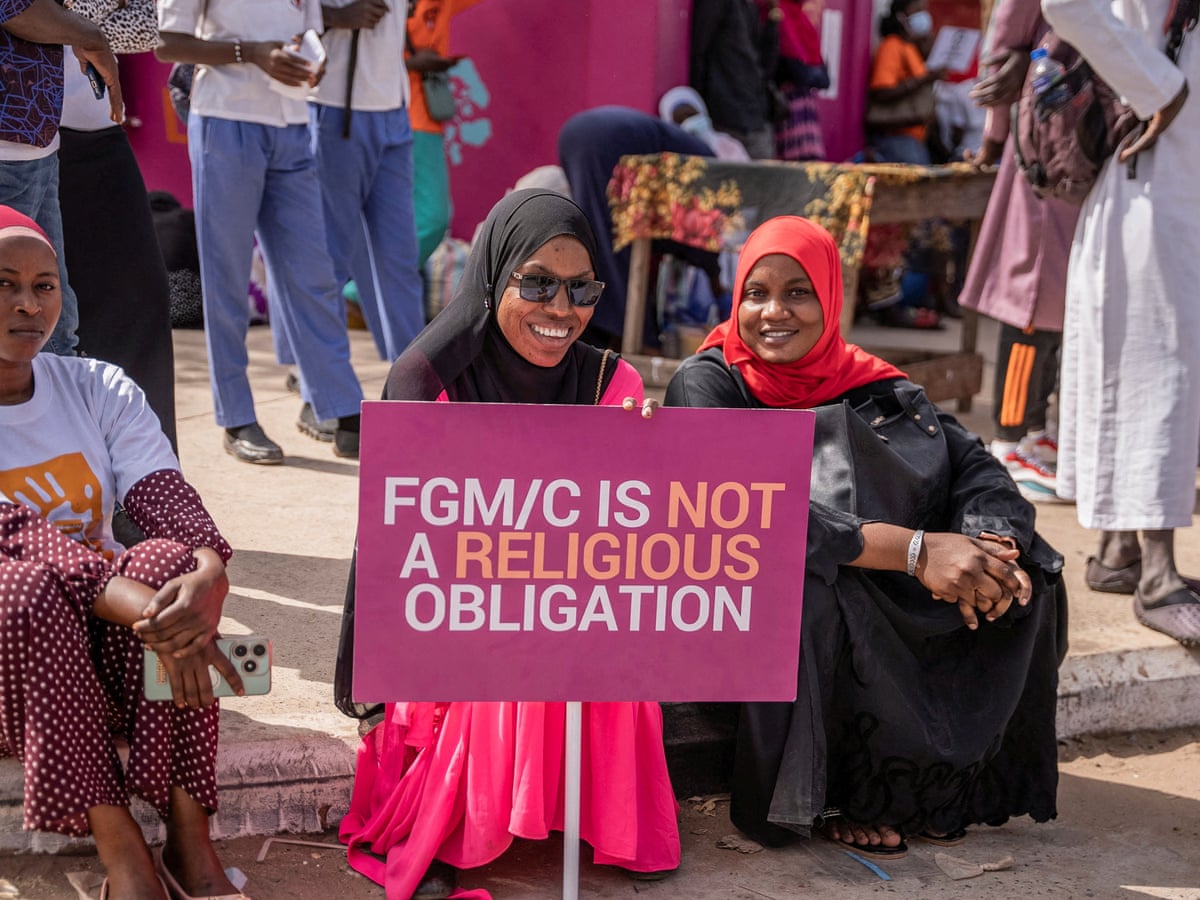
Yet law alone cannot carry what history has normalized. In many communities, FGM is presented as love, an initiation, a duty, a guardian of marriageability, masking harm with the language of care. Ending it requires more than prosecutions: it requires replacing belonging rituals with alternatives that honor girls without wounding them. It calls for partnerships with religious leaders who will say aloud that faith does not demand pain. It needs midwives, teachers, and fathers as much as parliamentarians and police. This is the slow work of culture change, measured not in court dockets but in the quiet of decisions never made. Here is the deeper truth that makes this case a turning point: when a practice depends on secrecy, sunlight is a strategy. Public outrage, domestic and global, has already forced a reckoning, inspiring fresh commitments from rights bodies and health agencies that pressed Gambia to uphold the ban last year. The infant’s death has now moved the conversation from “Should we keep the law?” to “Will we fully enforce and resource it?” That shift is not semantic; it is survival.
So the beginning is a clinic in Serrekunda. The segment is a courtroom, where names are read and charges entered. But the story, if we earn a better ending, unfolds in homes where aunties choose celebration over cutting, in mosques where compassion outranks custom, in schools where girls learn that their bodies are not bargaining chips to buy acceptance. One case cannot rewrite a culture. It can, however, redraw the margins of what is tolerated, and by drawing them in ink, leave less room for blood.