BAROQUE SPAIN – The artistic identity of 17th-century Baroque Spain is often defined by a stark, spiritual intensity that sought to make the divine feel as tangible as the earth beneath one's feet. At the center of this movement was Francisco de Zurbarán, a painter whose mastery of light and shadow—specifically the technique of tenebrism—redefined the visual language of the Catholic Counter-Reformation. A new report from the National Gallery underscores Zurbarán’s unique capacity to bridge the gap between human experience and the divine, cementing his reputation as a "painter of the soul" whose works continue to evoke a sense of immediate, profound reality for modern viewers.
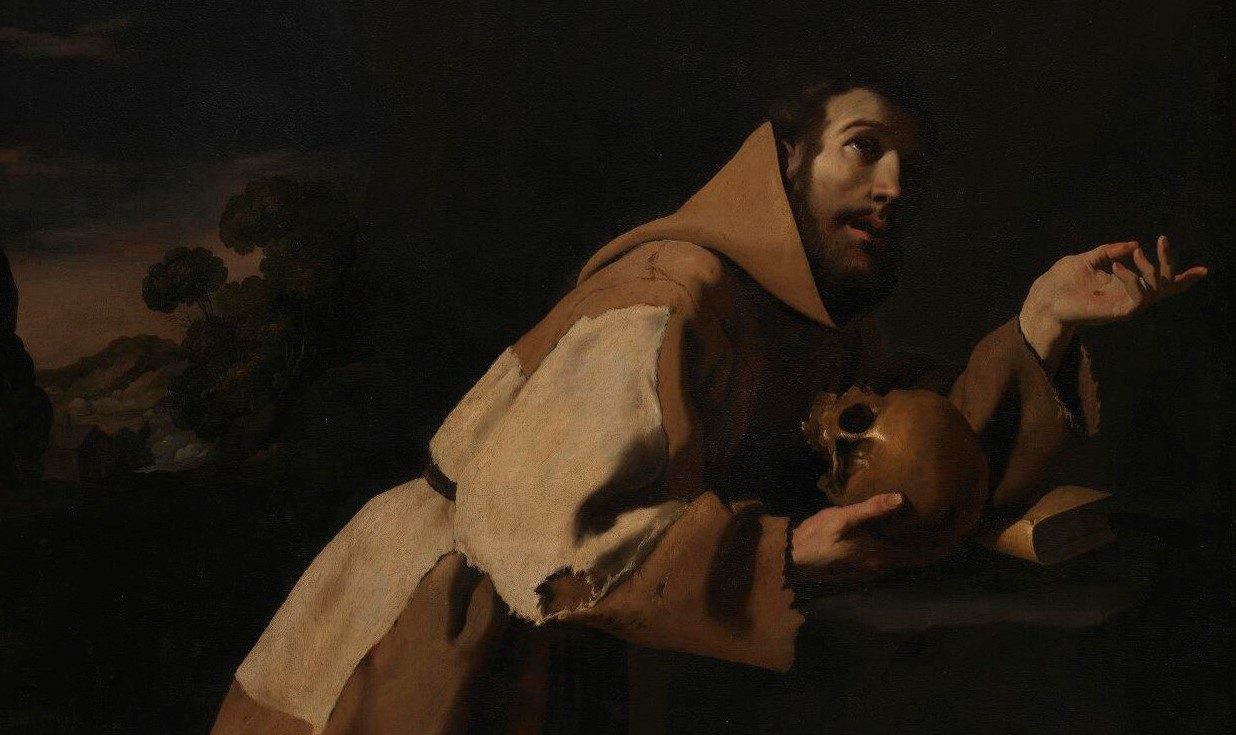
Zurbarán’s meteoric rise began in the 1620s and 1630s in Seville, then the cultural and economic gateway to the Spanish Empire. It was here that he established his reputation by securing prestigious commissions for the city's powerful religious orders. His artistic signature was his ability to use intense, dramatic lighting against deep, impenetrable backgrounds to give his subjects a powerful, sculptural presence. His contemporary critics and patrons often remarked that his figures were so realistic they appeared to be carved from stone rather than painted on canvas. This "sculptural realism" was highly valued by the church, as it made saints and martyrs feel contemporary and accessible to the faithful, turning prayer into a visceral encounter with a physical presence.
This mastery of form eventually caught the eye of the Spanish court. In a major milestone for any artist of the era, Zurbarán was invited to Madrid to contribute to the decoration of King Philip IV's new Buen Retiro palace. This royal recognition was a significant honor, placing him in the same elite circle as his contemporary, Diego Velázquez. While in Madrid, Zurbarán’s status as one of Spain's premier artists was solidified, and he proved his versatility by tackling secular and mythological themes alongside the religious works that had made him famous in the south.

Related article - Uphorial Shopify
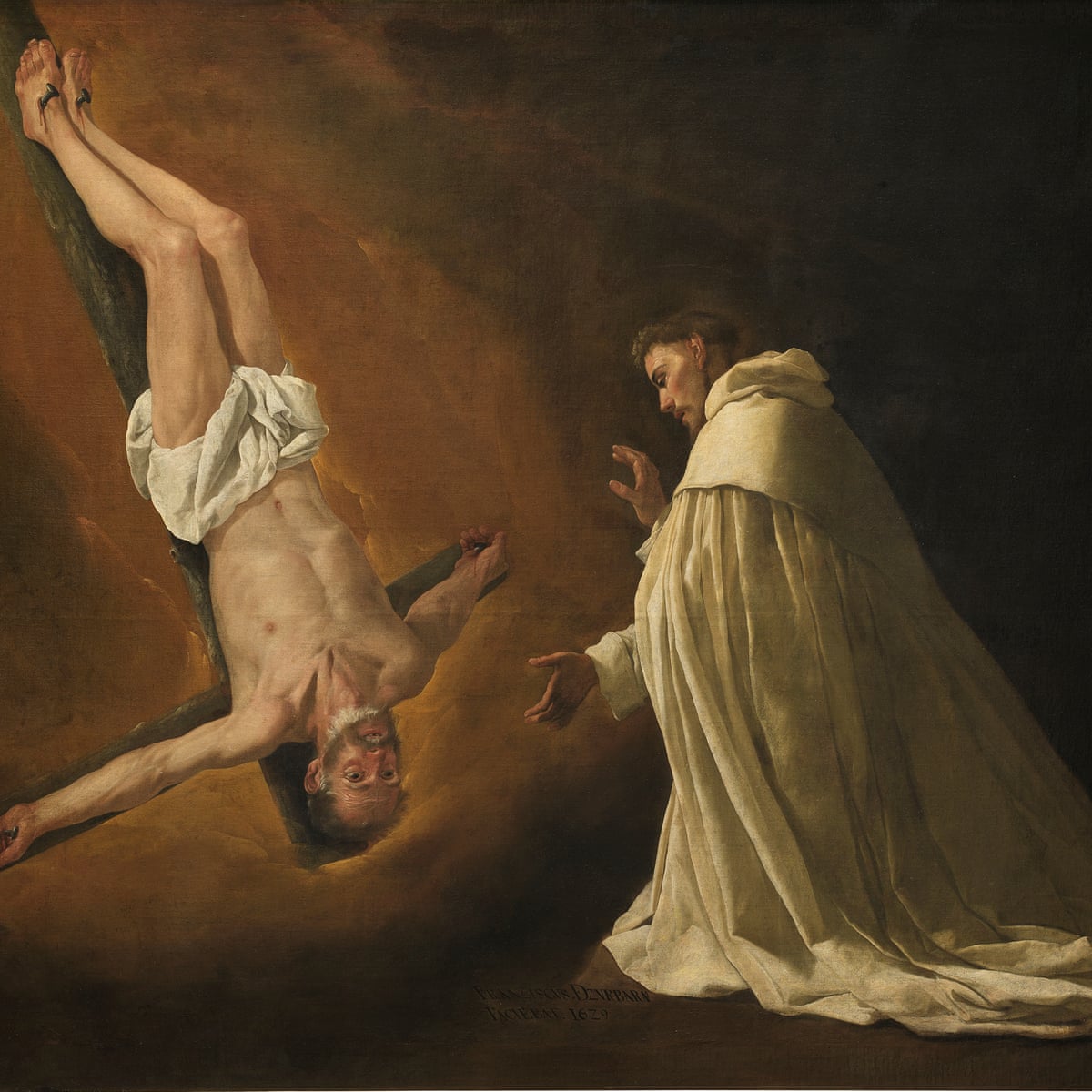
Though his career was primarily defined by his large-scale religious narratives, Zurbarán also produced a limited but highly influential body of still-life paintings. His most iconic work in this genre, Still Life with Lemons, Oranges and a Rose, exemplifies his "less is more" approach. In these paintings, common objects are treated with the same quiet, spiritual gravity as his saints. By isolating these items against dark backgrounds and bathing them in a focused light, he elevated the mundane to the miraculous, inviting the viewer to find the divine in the simplicity of fruit and flowers.
However, the middle of the 17th century brought significant challenges that forced the artist to evolve. As Seville’s economy began to shift and the devastating plague of 1649 swept through the city—claiming the life of his talented son, Juan—Zurbarán’s personal and professional world was upended. To adapt to these tragedies and changing artistic tastes, he pivoted his business model toward the Americas, exporting large quantities of paintings to the expanding Spanish colonies. This late-career expansion ensured his influence reached global proportions. Eventually, he returned to Madrid, where his style underwent a notable evolution. Moving away from the sharp, dramatic contrasts of his youth, his later works adopted a softer, more atmospheric approach, reflecting a more introspective and perhaps gentler perspective in his final years.
Today, Francisco de Zurbarán is remembered not just as a technician of light, but as an artist who captured the silence of the Spanish Baroque. His legacy lives on in the "immediate reality" of his paintings—works that refuse to age because they speak to the universal human search for meaning within the shadows. Whether in a Seville monastery or a modern gallery, his figures stand as monuments to the enduring power of the sculptural image.