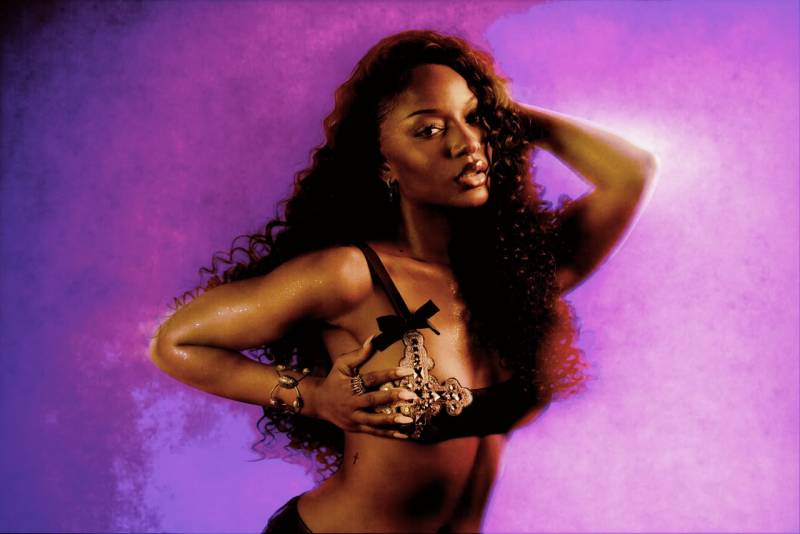
IBADAN - LAGOS, October 13, 2026 — On Friday, October 9, the Nigerian singer-songwriter FOLA released 9, a 14-track second album that arrives with a question attached to it, the one every young artist faces after a strong beginning: can the moment be made to last? It lands a little over a year after his debut, Catharsis, and it lands in a country where music is not background noise but a daily argument about who is rising, who is fading and who is next.
The early reading of the project is already clear, even though the full critical verdict has yet to be written. At the time of writing, no complete critical reviews of 9 had been published. What exists instead is the release coverage, the tracklist, the guest list and the artist's own words about why he made it. Together they sketch an album built on confidence and on collaboration, shaped by personal experience, and released under the weight of a debut that set a high bar.
The guest list is the first thing the music press noticed, and it is a formidable one. Davido, Ayra Starr, BNXN, Darkoo, Bella Shmurda and Zlatan all appear on the record. For a singer whose public life began only a few years ago, that roll call says something about where he now stands in the Afrobeats and contemporary R&B ecosystem. These are not names a newcomer collects by accident. They are the result of a rise that has been steady rather than sudden, and of relationships built song by song.
Yet the headline of this release is not really the features. It is the stance. FOLA has chosen to title his second album after a shirt number, and in doing so he has told listeners exactly how he wants to be judged. He has not asked for patience or for credit for effort. He has asked to be measured by the only standard a striker accepts, which is whether the chances get finished. That is a bold way to open a conversation about an album, and the rest of this report looks at how he arrived at that boldness, what he put on the record, and what it means for the people who will spend the coming weeks deciding whether he earned it.
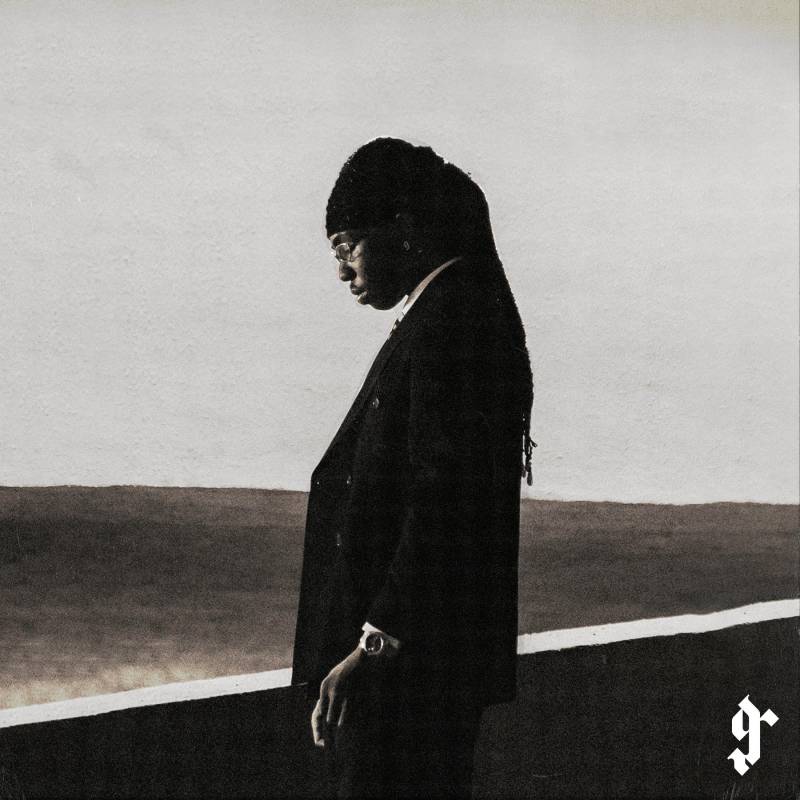
The title is a football reference, and in a country that lives and breathes the game, the reference needs little translation. In the number-nine shirt tradition, the nine is the striker, the player the whole team looks to when a goal is needed. It is the shirt of the person who carries the expectation of finishing. FOLA has said he sees himself in that role: the artist people turn to when they need a hit. It is a statement of identity as much as ambition, and it frames the album less as a diary entry than as a job description he is volunteering to fill.
There is cultural intelligence in that choice. Football and music are the two great common languages of Nigerian youth culture, and both reward the same qualities: composure under pressure, timing, and the nerve to take the shot when everyone is watching. By borrowing from one to speak about the other, FOLA places himself inside a shared vocabulary that fans understand instinctively. He is not claiming a throne. He is claiming a position on the pitch, with all the responsibility and exposure that position brings, because a striker who misses is remembered as loudly as a striker who scores.
The rollout reflected the same discipline. It was steady and deliberate rather than loud, built around a sequence of singles that let listeners form a relationship with the album before it arrived. "Treat U Right," featuring Ayra Starr, was among the first, followed by "attention!" and "fine ting (fine $hit)." The most recent single was "it's over," a collaboration with his label boss Bella Shmurda and the rapper Zlatan, released on September 10 with an official music video. On the finished album, that song serves as the outro, the final word on a record that has spent fourteen tracks building toward it.
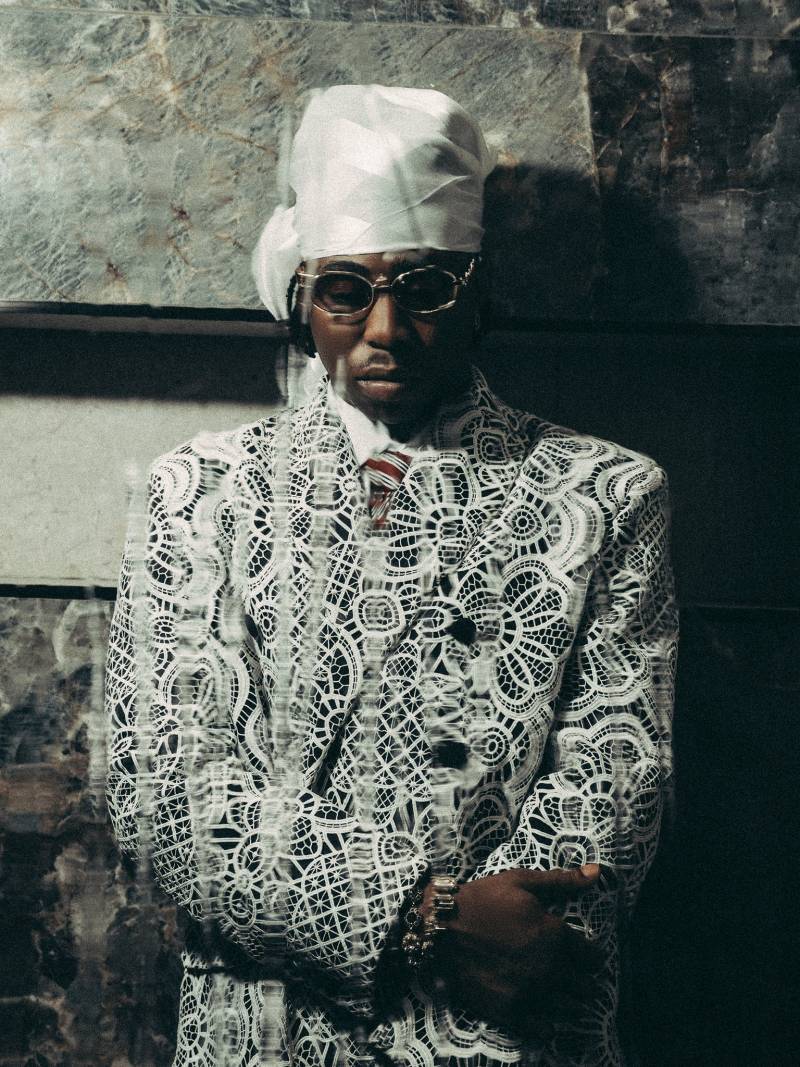
This is strategic storytelling in the plainest sense. Singles are not merely promotion; they are chapters released in public, each one adjusting the audience's expectations and sharpening their appetite. By the time the full tracklist was revealed, the audience already knew the tone of the project, the faces on it and the confidence behind it. The album did not have to introduce itself. It only had to deliver what the rollout had promised, and that is a harder task than it sounds, because a careful rollout raises expectations in exactly the way a striker's reputation does.
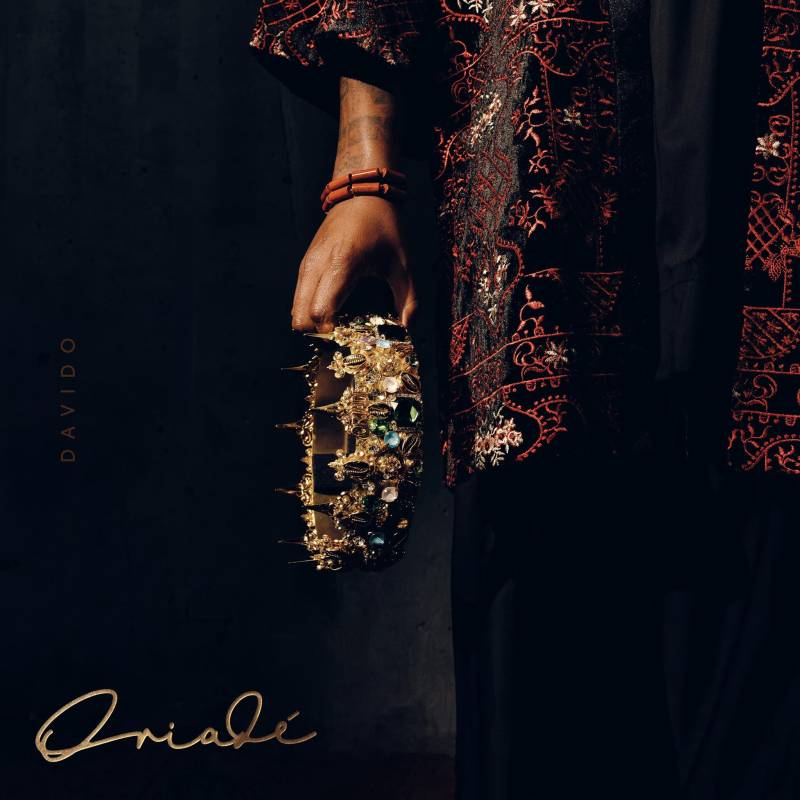
Beyond the singles, the album's other records tell their own stories. "2am In Toronto," featuring Davido, reunites two artists who recently shared a song on "B4 B4," a track from Davido's sixth album, Oriadé, where FOLA also appeared alongside Mayorkun. "My Type" brings in BNXN, and "Hold U Down" features Darkoo. Each pairing widens the album's palette, linking FOLA's melodic, romantic instincts to the Afrobeats and contemporary R&B worlds that his collaborators inhabit.
"Crime" is reportedly a remake of 2Baba's 2006 classic "If Love Is a Crime," and the choice carries weight. To revisit a song from that era is to nod toward the lineage of Nigerian pop that came before, and to ask a newer generation to hear it afresh. It is a risky gesture, because a beloved original invites comparison, but it is also a respectful one, the kind an artist makes when he understands that a career is a conversation across generations and not only a sprint through the present.
Then there is "WAF," a song with a story that belongs to the internet age. An unreleased version leaked in May, and it went on to build a following on TikTok before the album arrived. That kind of organic momentum is difficult to manufacture. It suggests that listeners were already attaching themselves to FOLA's music in the wild, outside the official machinery of a rollout, and that demand for the record existed before the record did.
The remaining tracks complete the picture: "TB Awade," "TB How Many," "Stubborn," "Miss U II (Nriri)," "In Order," "Attention," and "Fine Ting (Fine Shit)." Taken together with the features and the singles, the tracklist reads as a mix of confidence and vulnerability, swagger set beside longing. FOLA has said that each song grew from a real experience, and that he made the album with producers, musicians and artists whose work he values. That detail matters. It signals an album assembled among people he trusts, rather than a record engineered at a distance for maximum reach.For listeners, the most meaningful promise may be the simplest one: that these songs come from lived moments. In an era of endless releases, emotional precision is the quality that separates a song people stream from a song people keep. Whether 9 achieves it will be decided track by track, but the intention is on the record, and it is stated in the artist's own terms.
No sophomore album is heard in isolation, and 9 is heard against the memory of Catharsis. Released in September 2025, the debut passed 100 million streams and spent weeks at No. 1 on the Official Nigeria Top 100 Albums chart. Those are not modest numbers for a first album, and they changed the terms on which FOLA is now discussed. A debut that succeeds turns hope into expectation, and expectation is a heavier thing to carry into a studio.The critical response to Catharsis helps explain why the stakes feel high. The Upper Entertainment called it an imperfect, brilliant and necessary debut that expands the emotional vocabulary of Afrobeats. Afrocritik praised the ease with which he sings about women and identified "Caricature" as the emotional core of the album, the place where he lets his feelings out without restraint. The word that recurs in that praise is emotional. Critics heard in him a singer willing to be exposed, and that willingness became the signature of his debut.
That signature is also the challenge. Repeating a sound that worked is easy; deepening it is not. The question for 9 is whether FOLA can keep the intimacy that earned him his audience while stepping into the broader, louder role the album's title announces. The debut was a confession. The follow-up is a claim on the spotlight. Moving from one to the other without losing what made the first one matter is the real test of a second album, and it is the test the title invites.
The industry has already begun to answer part of the question. Catharsis placed FOLA at the head of the 2026 Headies nominations, alongside Davido and Wizkid, including a nomination for album of the year. To appear at the top of that list in the company of two of the genre's most established names is a mark of how quickly his stock has risen. It also means that 9 will be released and judged during an awards season in which his debut is already being celebrated, a rare position in which an artist is both defending a previous achievement and attempting to surpass it.
Since the debut, his collaborative footprint has grown as well, with work alongside Victony, Bella Shmurda and BNXN, and an appearance with Davido and Mayorkun on "B4 B4." Each of those credits is a quiet argument that he belongs in the room. By the time 9 arrived, the question was no longer whether FOLA could be taken seriously, but how far the seriousness could stretch.What happens next belongs to the listeners and to the critics. The full reviews of 9 are still to come, and until they arrive, any judgment of its quality would be premature. What can be said with confidence is that the album has been built with care: a deliberate rollout, a carefully chosen set of collaborators, a title that states its ambition plainly, and a stated commitment to songs drawn from real experience. Those are the ingredients of a serious second album, whatever the final verdict turns out to be.
The larger story is one of transformation. In a few years, FOLA has moved from the breakthrough of his 2022 single "Ginger Me," featuring Bella Shmurda, to a debut album that crossed 100 million streams, to a second album with some of the biggest names in the genre beside him. Along the way he went from being an artist people discovered to being an artist people wait for. That shift, from surprise to anticipation, is the quiet revolution inside every successful career, and 9 is the first project in which he has to live fully on the other side of it.There is also something generous in how he framed his hopes for the record. He said that wherever listeners are, and whatever they are going through, he hopes the album finds them at the right time. It is a modest sentence set against a confident title, and the contrast is revealing. The striker's number on the front, a more tender wish underneath: that a song might arrive precisely when someone needs it. For many fans, that is what great pop music has always been for, and it is the quality that no streaming figure or chart position can fully measure.
As the record settles into playlists, group chats and late-night drives, the judgment will come in the way it always does in Nigerian music, loudly, quickly and with great passion. Some will argue about the features, others about the remake of a beloved classic, others about whether the album's emotional center can match that of Catharsis. All of them will be taking part in the process that gives an album its meaning.For now, the ball is at his feet. FOLA has taken the number nine shirt, set the stage with a patient rollout, and invited the verdict. Whether the striker delivers is, as one report put it, for the listeners to judge, and the coming weeks will tell us whether 9 is a record people merely play or one they carry with them.