ATLANTA - The Mercedes-Benz Stadium in Atlanta became the crucible of a nervous, transformative drama on the first day of July, 2026. For ninety-plus minutes, the weight of expectation that historically shadows the English national team seemed to grow heavier with every passing second, as a disciplined and fearless Democratic Republic of the Congo side threatened one of the most significant upsets in the history of the FIFA World Cup. In a clash that pitted the cold, calculated ambitions of a tournament favorite against the burning, unscripted heart of an underdog reaching its first-ever knockout appearance, England’s path to the Round of 16 was paved not with ease, but with a desperate, late-stage salvation.
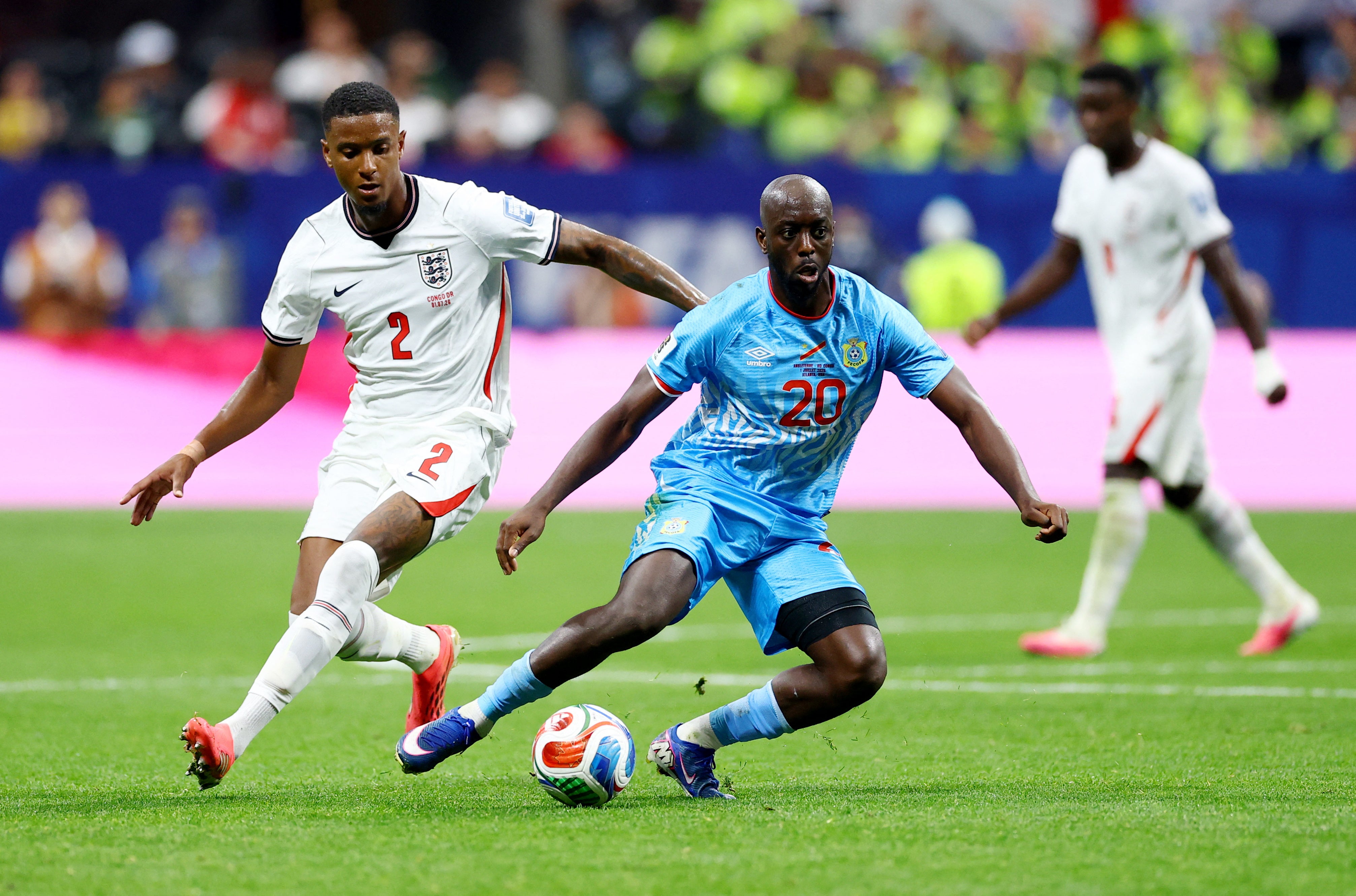
The tone was set almost immediately, a jarring reminder that in the theater of the World Cup, reputation offers no immunity. Only seven minutes had bled off the clock when the atmosphere in Atlanta shifted from confident expectation to sudden, chilling silence. Chancel Mbemba, anchoring the play with the poise of a seasoned veteran, launched a cross from the right that bypassed the English rearguard, finding Brian Cipenga waiting in the left channel. With an elegance that belied the magnitude of the moment, Cipenga took a measured touch and fired a low, piercing drive that caught Jordan Pickford at his near post. It was a goal that did more than register on the scoreboard; it stripped away England’s air of invincibility and forced a team built on superstars to grapple with the harrowing prospect of an early exit.
What followed for the remainder of the first half was a masterclass in defensive resilience from the Congolese side. Led by the commanding presence of Lionel Mpasi in goal, the DR Congo squad erected a defensive wall that seemed impervious to the English siege. Wave after wave of frustration washed over the Three Lions. Jude Bellingham, tasked with orchestrating the flow of the game, found himself thwarted twice by Mpasi’s acrobatic intervention. Marcus Rashford, looking to provide the necessary spark on the wing, saw a goal-bound effort cleared off the line by a backtracking Aaron Wan-Bissaka. Even the usually reliable Harry Kane found the path to the net blocked, his close-range volley on the cusp of halftime parried away by the goalkeeper’s firm palms.

Related article - Uphorial Shopify
The psychological toll of the scoreline manifested in moments of desperation. A tension-filled incident in the box, where Harry Kane collapsed under heavy pressure, brought a collective breath of anticipation from the stadium. Yet, as the referee signaled for a review, the resulting reversal—and the subsequent caution handed to Kane for simulation—served as a stark indictment of a team struggling to find its footing. Thomas Tuchel, prowling the touchline, looked on as his side returned to the dressing room at the break trailing, a deficit that had historically spelled doom for England in previous World Cup campaigns.The second half began as a test of character. The pressure was no longer just tactical; it was existential. England, urged on by the urgency of their situation, pushed forward with a fervor that bordered on the frantic. The Congolese, however, refused to break, their compact shape and tireless pressing continuing to stifle the English rhythm. Bukayo Saka came agonisingly close, his effort rattling the woodwork, while Bellingham’s headers continued to drift just wide of the frame. The stadium echoed with the sound of a team knocking on a door that refused to budge.
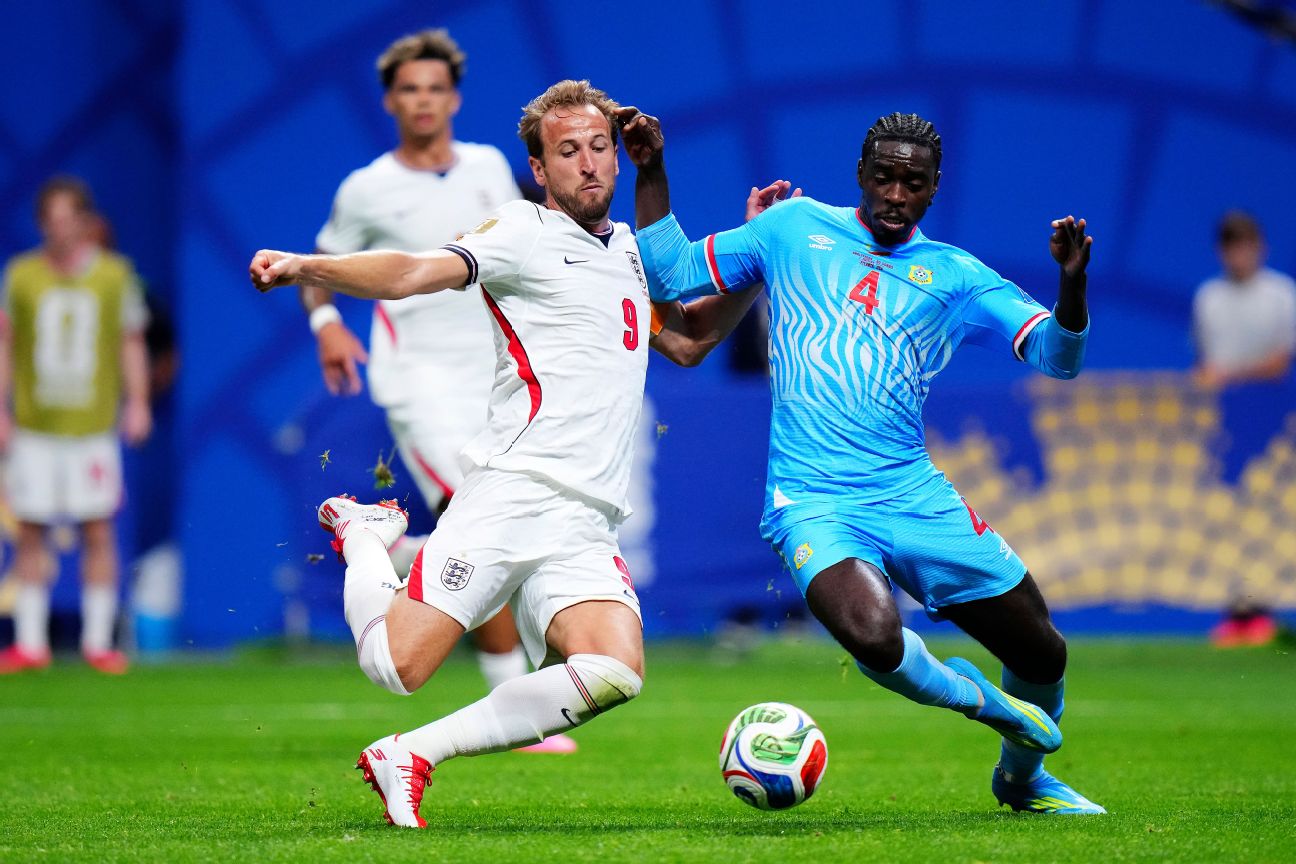
It took the introduction of fresh tactical intelligence to finally unlock the impasse. The substitution of Anthony Gordon provided the width and precision England so desperately craved. In the 75th minute, the transformation began. Gordon, finding space on the flank, delivered a perfectly weighted chip into the danger zone. Rising above the chaos, Harry Kane met the ball with a clinical, downward header that finally breached the wall of Mpasi’s resolve. The goal was more than an equalizer; it was the psychological dam breaking.As the clock ticked toward the conclusion, the momentum swung decisively. The tenacity that had fueled the Congolese defensive effort began to wane under the sheer weight of England’s renewed belief. With four minutes of regulation time remaining, the captain etched his name further into the annals of the game. Kane, displaying the cold-blooded composure of an elite marksman, turned sharply away from his marker on the edge of the penalty area. He opened his body and unleashed a rising, powerful strike that thundered into the top corner of the net, completing a comeback that had seemed improbable just an hour prior.
The final whistle was met with an audible release of tension that seemed to rattle the very roof of the Atlanta stadium. It was a victory forged in the furnace of adversity—a "hard-fought" result in the truest sense of the phrase. While DR Congo exited the tournament with their heads held high, having pushed a world giant to the absolute limit, England advanced with the scarred, hardened experience that defines championship-winning teams. For Kane, whose brace moved him past Pelé on the all-time World Cup scoring list, the day served as a reminder that the path to glory is rarely a straight line. As they pack their bags for Mexico City, the Three Lions carry with them the sobering knowledge that survival in this tournament requires more than talent; it demands the character to endure when the world expects you to crumble.