The contemporary cinematic landscape serves as a vital mirror reflecting the Kafkaesque absurdities, quiet indignities, and crushing psychological weights imposed by modern bureaucratic systems. Across the globe, independent filmmakers and investigative artists are increasingly turning their lenses toward the invisible machinery of governance, exposing how institutional inertia and the normalization of oppressive structures quietly erode the human spirit. In an exceptionally luminous, masterclass-level cinematic and cultural feature report, film critics and sociologists examine a powerful constellation of works exploring these themes, anchored by the poignant documentary-style inquiry into Tara Aghdashloo’s celebrated project Empty Your Pockets, which unpacks the absurdity of institutional red tape. Breaking down Aghdashloo’s acclaimed directorial catalog—including her Oscar-qualifying debut short The Ride (2023) and Bridge (2023)—alongside companion pieces like the bureaucratic thriller NOC (No Objection Certificate) and Transparency International’s incisive analysis on systemic corruption, this comprehensive news-style report explores a transcendent journey into the mechanics of institutional power and human resilience. Through emotional precision, intelligent curation, cultural understanding, strategic storytelling, and transformational framing, this piece captures the unyielding struggle of the individual against the monolith of red tape.
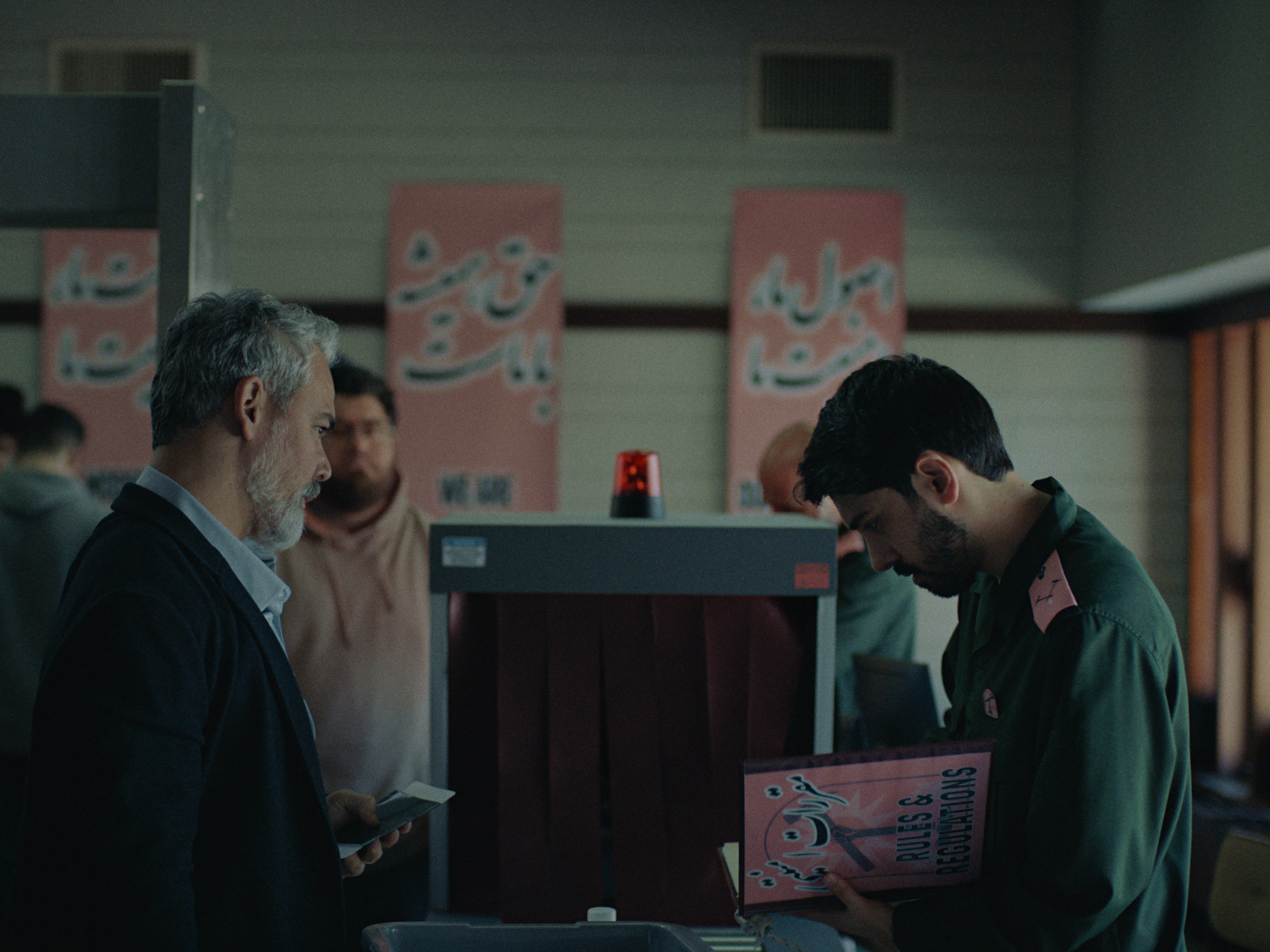
The exploration begins with an intimate look at Empty Your Pockets, a work that dives headfirst into the surreal, Kafkaesque theater of modern bureaucracy, laying bare the suffocating pressures and institutional absurdities that ordinary citizens must navigate just to exist. Director Tara Aghdashloo crafts a narrative that does not merely mock administrative inefficiency; rather, it exposes how the normalization of oppressive systems deadens the collective conscience, turning bureaucratic cruelty into an accepted background noise of modern life. Through emotional precision, witnessing characters trapped in endless loops of paperwork and indifferent gatekeepers evokes a searing, universal frustration—a profound reminder of how easily human dignity can be ground down by stamps, signatures, and faceless authority.

Related article - Uphorial Shopify
This thematic obsession with the human condition under pressure finds its earliest cinematic expression in Aghdashloo’s debut short film, The Ride (2023), which made waves on the international festival circuit with its celebrated premiere at the Oscar-qualifying Cinequest Film Festival. The film serves as a tightly wound psychological capsule, examining the unspoken tensions and fragile negotiations that occur when individuals are forced into confined spaces with incompatible worldviews. Through intelligent curation of narrative pacing, The Ride establishes Aghdashloo’s signature directorial voice: an unblinking, empathetic focus on marginalized agency, where every glance and hesitant pause carries the weight of a lifetime of societal conditioning.
The director’s cinematic exploration deepens further with her subsequent short film, Bridge (2023), which secured official selection at the prestigious Norwich Film Festival. In Bridge, the geographical and metaphorical architecture of connection and division takes center stage, probing the emotional chasms that open up when communities and individuals are severed from one another by systemic barriers and political geography. Through cultural understanding of diaspora and displacement, the film transcends its minimalist premise, transforming a simple physical structure into a profound meditation on longing, estrangement, and the desperate human urge to reach across the divides imposed upon us by those in power.
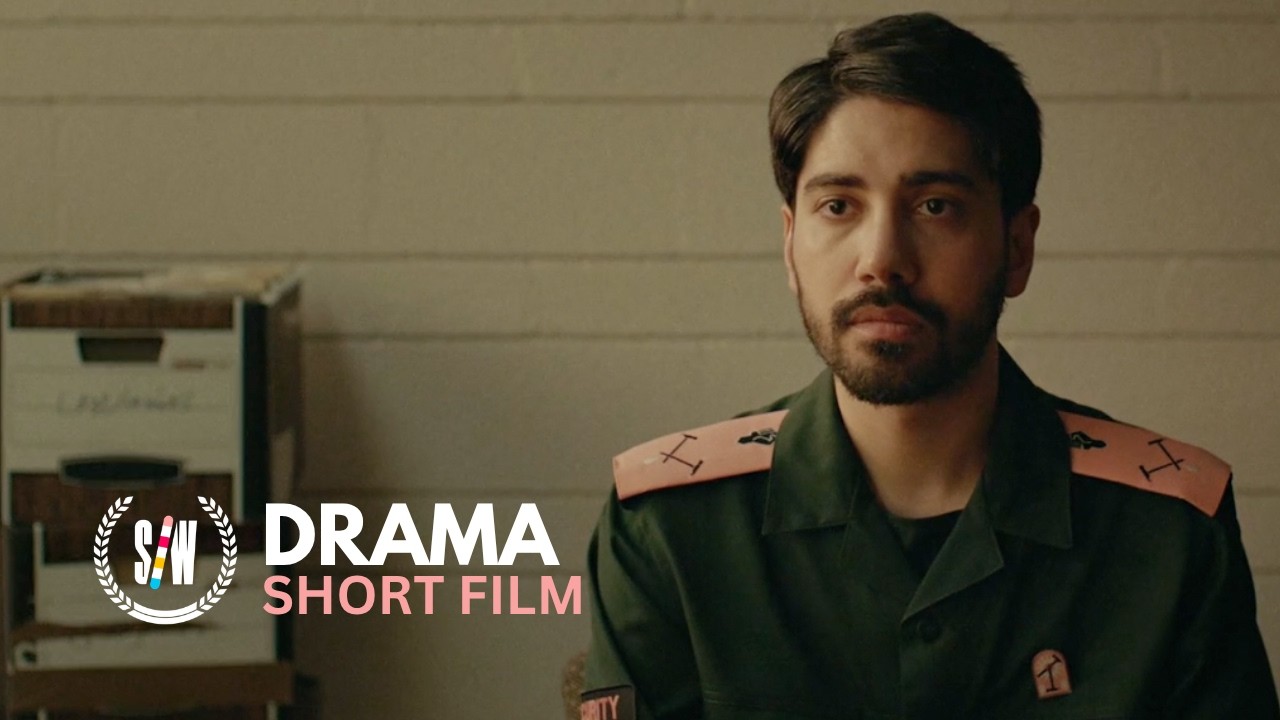
To fully understand the intellectual and creative genesis of these works, one must examine the fascinating documentary-style backstory accompanying Empty Your Pockets. In these behind-the-scenes reflections, Aghdashloo articulates her core artistic motivation: an urgent desire to interrogate how societies become comfortably numb to systemic oppression, and why everyday people internalize bureaucratic violence as an immutable law of nature. Through strategic storytelling, this meta-narrative bridges the gap between fiction and reality, framing the director not merely as an entertainer, but as an investigative visual anthropologist diagnosing the invisible sicknesses of modern institutional governance.
The thematic scope widens outward to encompass broader cinematic and educational explorations of systemic friction, notably highlighted by the gripping short film NOC (No Objection Certificate). This powerful narrative dives deep into the labyrinthine nightmares of travel restrictions, immigration hurdles, and administrative gatekeeping, illustrating how an official piece of paper can dictate the boundaries of human freedom. Paired alongside this artistic critique is the vital socio-economic analysis provided by Transparency International in their foundational exploration, How does corruption affect you?, which breaks down the insidious ways the abuse of power erodes public trust, stifles innovation, and fractures the foundational social contract. Through transformational framing, this cinematic and analytical convergence transcends standard film criticism; it stands as a brilliant cultural milestone, proving that when artistic vision, investigative rigor, and profound empathy unite, cinema becomes an indispensable weapon in the fight for human liberation and institutional accountability.