At the National Museum of Kenya on August 19, a crowd of diplomats, scholars, students, and journalists gathered for “Echoes of Peace,” a cultural exchange event organized by China Media Group to mark the 80th anniversary of the victory in the Chinese People’s War of Resistance Against Japanese Aggression and the broader World Anti-Fascist War. The day was stitched from images and testimony: a photo exhibition, archival film screenings, recorded messages from Chinese officials, and Kenyan voices insisting that commemoration be rooted in shared values of memory and justice.
What made the gathering more than ceremonial was its insistence on narrative. Speakers refused a flattening of history into patriotism alone; they pointed instead to common threads, anti-colonial struggle, the cost of militarism, and the role of media and culture in shaping how future generations remember conflict. Kenya’s Deputy Cabinet Secretary for Information connected distant moments: the horrors of Nanjing and the scars of the Mau Mau, both as reminders that trauma is global and that peace is built by facing uncomfortable truths. Chinese representatives, likewise, framed the commemoration as an act of international solidarity that undergirds present-day diplomatic ties.

Related article - Uphorial Podcast
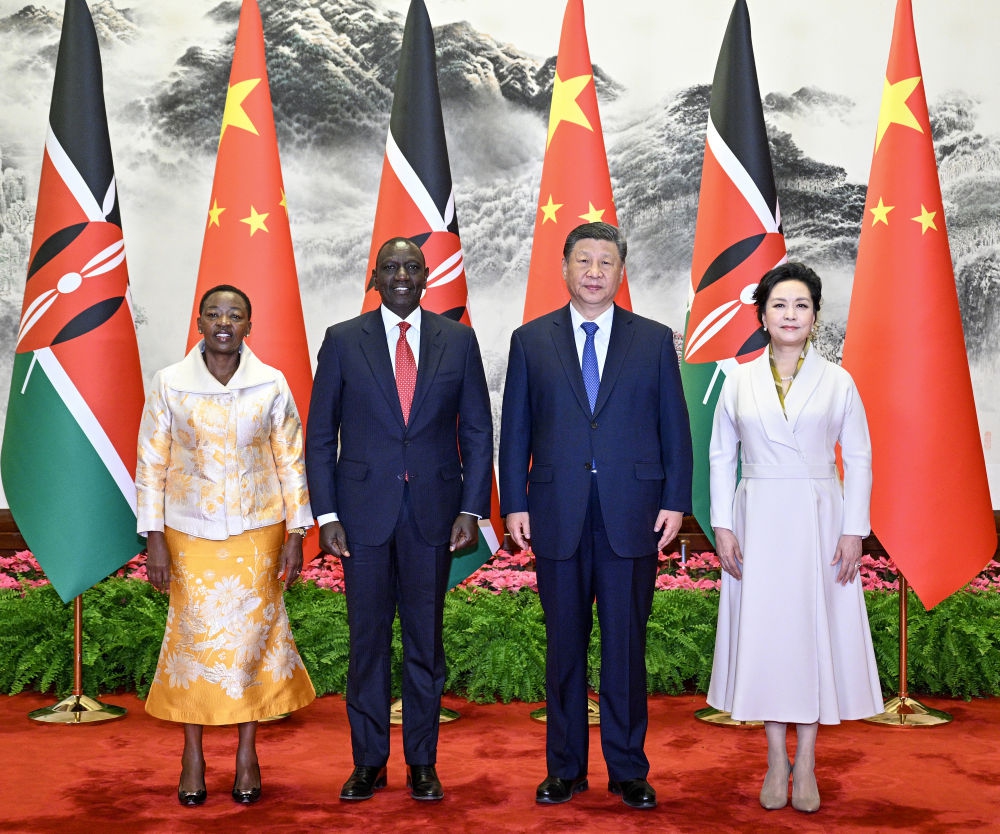
The exhibition’s photographs did the work words sometimes cannot: close-framed faces of wartime survivors, grainy frontline shots, and images of reconstruction that felt oddly familiar to Kenyan viewers who see their history mirrored in the archive. For many attendees, students from the University of Nairobi among them, the event reframed distant history as a set of lessons about narrative power. Who tells the story of war, and why, determines whose pain is visible and whose is excused. The exhibit and screenings invited Kenyans and Chinese to consider how histories of resistance inform present-day diplomacy and development partnerships.
This sort of cultural diplomacy matters because it works on the soft substrate of public perception. China’s cultural outreach, from photo exhibits to gala nights celebrating acrobatics and exchange seasons, is not merely celebratory. It is an effort to situate China as a historical actor allied with anti-fascist and anti-colonial legacies, and to do so in a way that resonates in capitals across Africa. Kenyan officials who spoke at the events underscored mutual benefit: remembering the past becomes a platform for future cultural and economic cooperation, from tourism ties to academic partnerships.
But the conversation is not one-way. Kenyan historians in the room, and the students clustered around the exhibits, pushed back against any tidy reading. They asked for more nuanced curricula, broader public access to archives, and a recognition that peace demands more than commemorative words, it needs institutions that preserve memory responsibly and a media ecosystem that resists propaganda. That tension, between commemoration and critique, between goodwill and geopolitics, is precisely where the event became interesting rather than ornamental. It allowed attendees to hold both gratitude and skepticism in the same breath. If the point of “Echoes of Peace” is to deepen ties, then measuring its success will come down to sustained engagement: whether scholarship is funded, archives opened, and cultural exchanges broadened beyond state halls into schools and community centers. For now, the exhibition and screenings served their simpler but essential purpose: to make history audible, to let the echoes of distant conflict reverberate into contemporary debates about solidarity, sovereignty, and the stories nations tell about themselves.