The transformation of a beloved animated classic into a live-action spectacle is an exercise in both reverence and reinvention, a delicate balancing act that requires the preservation of cultural soul while pushing the boundaries of physical performance. In the highly anticipated adaptation of Moana, director Thomas Kail, alongside stars Dwayne Johnson and Catherine Laga'aia, have unveiled a production that seeks to bridge the gap between two universes, grounding the mythic storytelling of the original film in the tactile, visceral reality of live-action cinema. As the cast and crew discussed the monumental effort behind the film, it became clear that this project is not merely a technical remake, but a passionate commitment to honoring the Pacific heritage that defines its core.
At the heart of the production’s physical language is a commitment to authenticity and high-energy performance. Dwayne Johnson, reprising his iconic role as the demigod Maui, brings a unique synthesis of his background in professional wrestling and his deep personal connection to the story to the screen. For Johnson, the physical comedy and the "battering" his character endures are not just stunt work; they are essential components of the character’s larger-than-life presence. The cast described how the film finds its true rhythm once the narrative shifts to Maui's island, where the dance sequences—most notably the revival of the iconic "You're Welcome"—are elevated from their animated origins into complex, high-stakes choreography. These sequences demand a level of physicality that pushes the performers to their limits, turning the screen into a stage where the kinetic energy of the Pacific is felt in every frame.
:max_bytes(150000):strip_icc()/Dwayne-Johnson-Moana-032326-aba7c2d98c984e568855580c548d7c8e.jpg)
Related article - Uphorial Shopify
:max_bytes(150000):strip_icc()/moana-live-action-032226-d21f27e3403a4546aa4f54010b004601.jpg)
The production’s reliance on practical effects and stunt-heavy storytelling represents a significant departure from the original medium. Catherine Laga'aia, stepping into the titular role of Moana, spoke with candid enthusiasm about the physical challenges of her craft. The initial meeting sequence between Moana and Maui, a moment of profound significance in the original film, required intricate coordination to ensure the characters’ physical interaction felt both grounded and whimsical. Laga'aia’s ability to anchor these scenes with genuine emotion provides the essential counterbalance to the larger-than-life stunts, ensuring that the audience remains connected to the human heart of the story. Director Thomas Kail recalled that the decision to cast Laga'aia was made with startling speed; within just ten seconds of viewing her audition tape, the creative team recognized a vitality and an immediate, instinctive connection to the character that was, in his words, simply vital to the film's success.
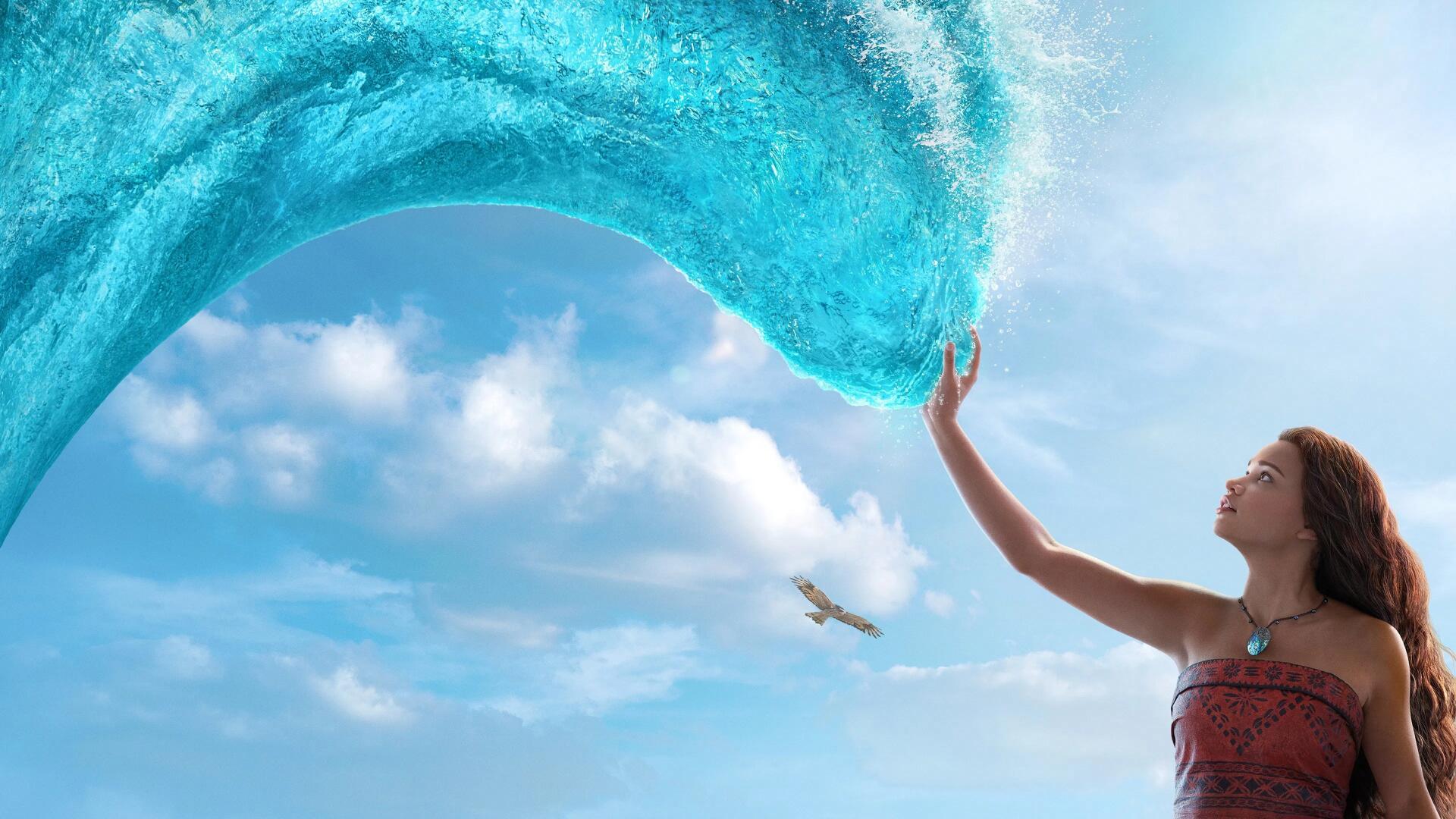
The technical ambition of the project is perhaps best exemplified by the "Shiny" sequence. Thomas Kail detailed the staggering logistics required to bring this visually arresting scene to life, a challenge that involved a massive, collaborative effort between multiple creative departments. The use of gimbal-mounted claws and the synchronization of lighting and puppetry created a physical manifestation of a scene that was once confined to the limitless imagination of animation. This commitment to practical ingenuity ensures that the world of Moana feels tangible, a place with weight, light, and texture, rather than a digitized abstraction. It is a testament to the team’s philosophy that the live-action experience must be something distinct—something that feels as if it were carved out of the very environment it represents.
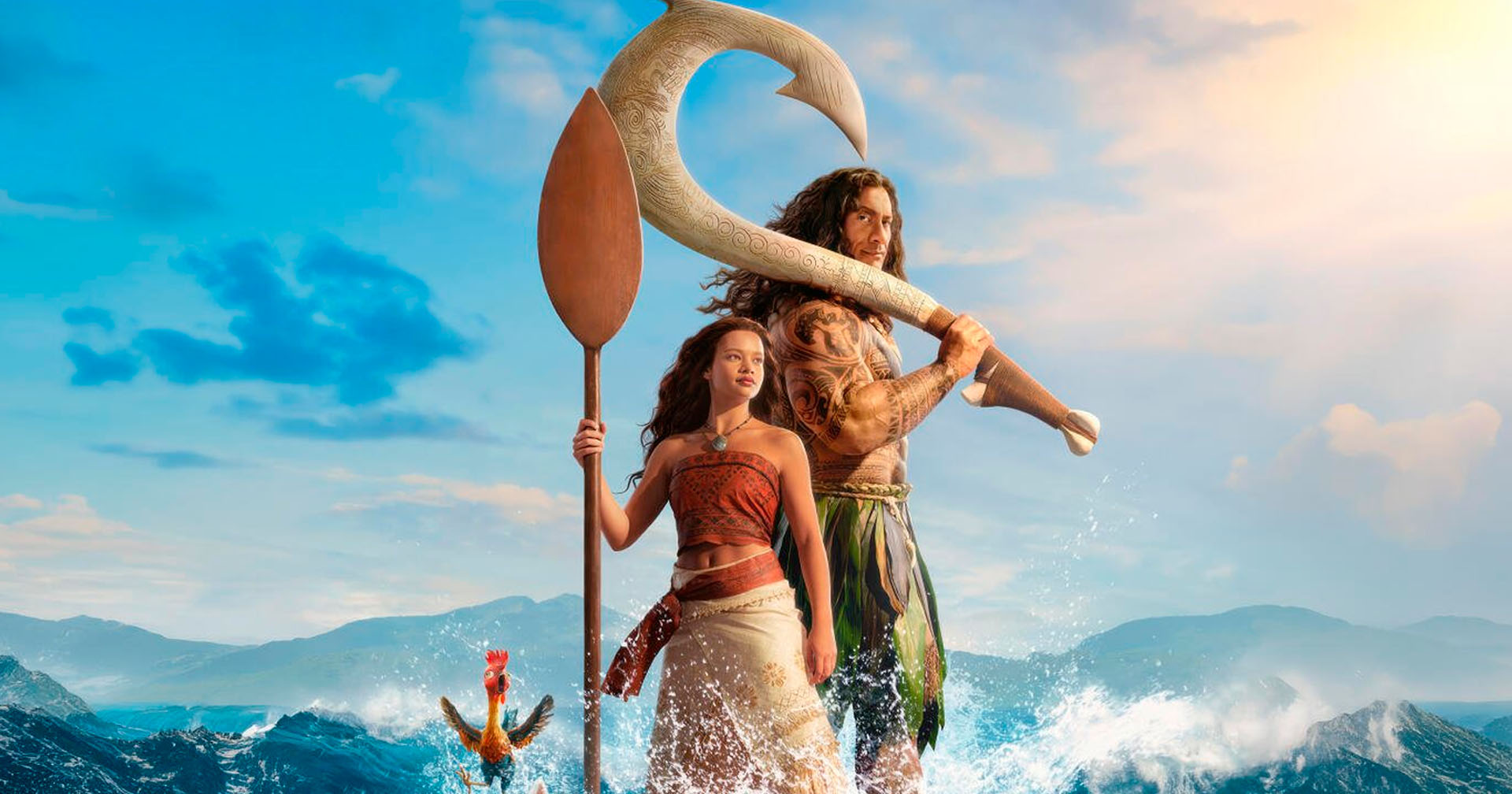
Beyond the choreography and the spectacle, the production team has placed a heavy emphasis on the emotional depth and cultural legacy of the project. There is a palpable sense of responsibility in their approach, with an unwavering focus on respecting and celebrating the cultural foundations of the narrative. This is most evident in the scenes where Moana undergoes her own process of self-discovery, realizing the full weight of her identity and the legacy of her ancestors. The team has framed these moments as the pillars of the film, ensuring that the spectacle never overshadows the intimate, internal journey of the character. This emotional precision is further bolstered by the continued creative stewardship of Lin-Manuel Miranda. The collaboration between Kail and Miranda, a long-standing partnership rooted in deep mutual respect, has yielded a special new song for the end credits—a melodic bridge that connects the animated past to this new, evolving cinematic future.
Ultimately, the live-action Moana appears to be a project defined by the marriage of legacy and innovation. By blending the raw, human physicality of the performers with the intricate technical mastery of the production team, the film aims to create something lasting, a piece of art that respects its origins while standing confidently on its own merit. It is a story about the search for identity, told through a lens that values the beauty of the Pacific culture above all else. For the team involved, the journey has been about more than just recreating scenes; it has been about translating the intangible spirit of the original into a tangible, live-action experience that resonates with a new generation. As they prepare to share this work with the world, the overarching message remains one of pride, cultural celebration, and a profound, shared commitment to excellence that promises to redefine the standards of the live-action musical for years to come.