The architecture of modern wellness optimization, biochemical signaling, and clinical safety oversight reaches a critical, illuminating peak in a comprehensive medical examination of the booming peptide industry. Unpacking the growing chasm between viral social media longevity trends and rigorous pharmacological science, physician and surgeon Dr. Anthony Youn dissects what peptides actually are, where clinical evidence ends, and how consumers can protect themselves from unregulated biohacking risks. In an exceptionally detailed health feature report and clinical breakdown, medical chroniclers examine a landscape defined by cellular chemical messengers, unverified experimental compounds, FDA-approved therapeutics, topical versus injectable safety profiles, and the urgent necessity of evidence-based medical oversight.
At the biochemical foundation of the conversation lies a clear, sobering definition of what peptides actually represent inside human physiology. Structurally composed of short chains of amino acids, peptides function as essential chemical messengers that travel between cells to regulate processes ranging from hormone signaling and tissue repair to metabolic function. Because the human body naturally manufactures thousands of endogenous peptides every day, wellness marketers routinely frame synthetic peptide supplementation as inherently natural and harmless. Dr. Youn warns firmly against falling into that seductive trap: the mere fact that a molecule exists inside human biology does not automatically make isolating, synthesizing, and introducing concentrated exogenous doses into the body safe, predictable, or benign. Through emotional precision, realizing that thousands of health-conscious individuals are injecting unverified vials into their bodies under the comforting illusion of "natural optimization" exposes a quiet public health vulnerability, proving that biological familiarity is never a substitute for clinical safety data.
Central to the clinical alarm raised by physicians and federal regulators is the explosive online popularity of experimental research peptides that lack robust human safety trials. Compounds circulating heavily across fitness forums, longevity podcasts, and gray-market storefronts—including BPC-157, TB-500, KPV, MOTS-C, Semax, Epitalon, and Melanotan II—rely overwhelmingly on preliminary animal studies, cell culture observations, or anecdotal self-reporting rather than controlled human clinical trials. The U.S. Food and Drug Administration (FDA) has repeatedly flagged significant safety concerns surrounding these substances, citing severe deficits in human exposure data, risks of unpredictable immunogenicity where the immune system mounts dangerous reactions against foreign peptide sequences, and widespread purity issues. Even amidst shifting regulatory debates and temporary compounding enforcement policies in late 2026, none of these popular research compounds hold formal FDA drug approval for human use, leaving consumers exposed to mislabeled vials, bacterial endotoxins, and unknown long-term physiological consequences.

Related article - Uphorial Shopify

Through intelligent curation of regulatory standards, Dr. Youn draws an unmistakable clinical boundary between experimental gray-market compounds and genuinely FDA-approved peptide medications. Pharmaceuticals such as semaglutide—widely prescribed for type 2 diabetes and chronic weight management—and tesamorelin, approved specifically to reduce excess abdominal fat in patients with HIV-associated lipodystrophy, have survived years of multi-phase human clinical trials verifying their efficacy, dosing parameters, and side-effect profiles. Yet even these rigorously vetted, regulated therapies are far from casual lifestyle supplements; they carry documented physiological risks ranging from gastrointestinal distress to endocrine disruptions and require ongoing physician supervision strictly within their approved medical indications.
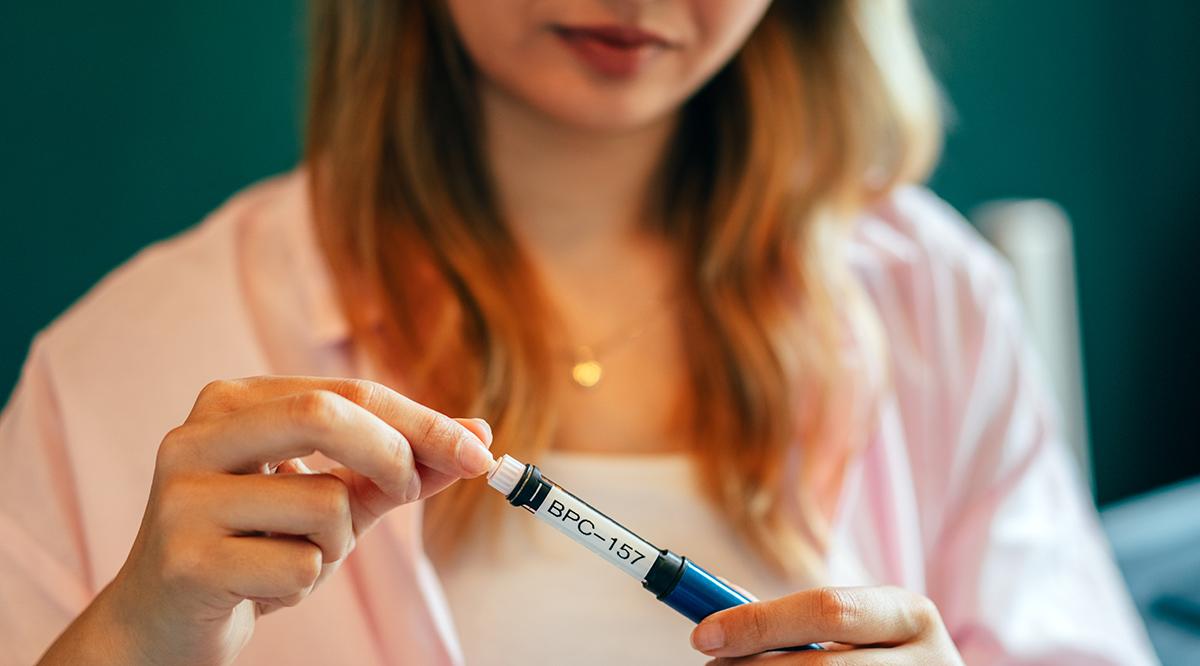
Through a deep structural understanding of routes of administration, the medical analysis also clarifies a crucial distinction that frequently confuses consumers: the vast difference between applying peptides topically in skincare formulations versus injecting them subcutaneously or intravenously. Within dermatology and cosmetic science, topical signaling peptides—such as copper peptides or matrixyl—sit on the outer layers of the skin, where they can safely and effectively support collagen production, skin barrier integrity, and hydration with minimal systemic absorption. Bypassing the skin's protective barrier with a hypodermic needle, however, delivers unverified compounds directly into systemic circulation, amplifying every risk associated with contamination, imprecise dosing, and unintended organ interactions.
Strategic storytelling frames Dr. Youn’s overarching message as a vital consumer survival guide in an era dominated by persuasive wellness influencers and lucrative gray-market clinics. Rather than surrendering personal health decisions to viral testimonials or podcast advertisements, patients must anchor their choices in verifiable human clinical data and legitimate medical oversight. Before considering any peptide protocol, individuals owe it to their long-term health to ask three non-negotiable questions: what peer-reviewed human evidence supports this compound, what verified pharmaceutical manufacturing standards guarantee its purity, and whether the substance has earned formal FDA approval.Through transformational framing, this clinical examination of peptide science transcends routine wellness commentary. It stands as an enduring public health chronicle, proving that when rigorous scientific skepticism, verified pharmaceutical quality, clear distinctions between cosmetic and systemic care, and disciplined medical oversight align, individuals reclaim true sovereignty over their bodies—replacing dangerous gray-market speculation with safe, evidence-based longevity and lasting human vitality.