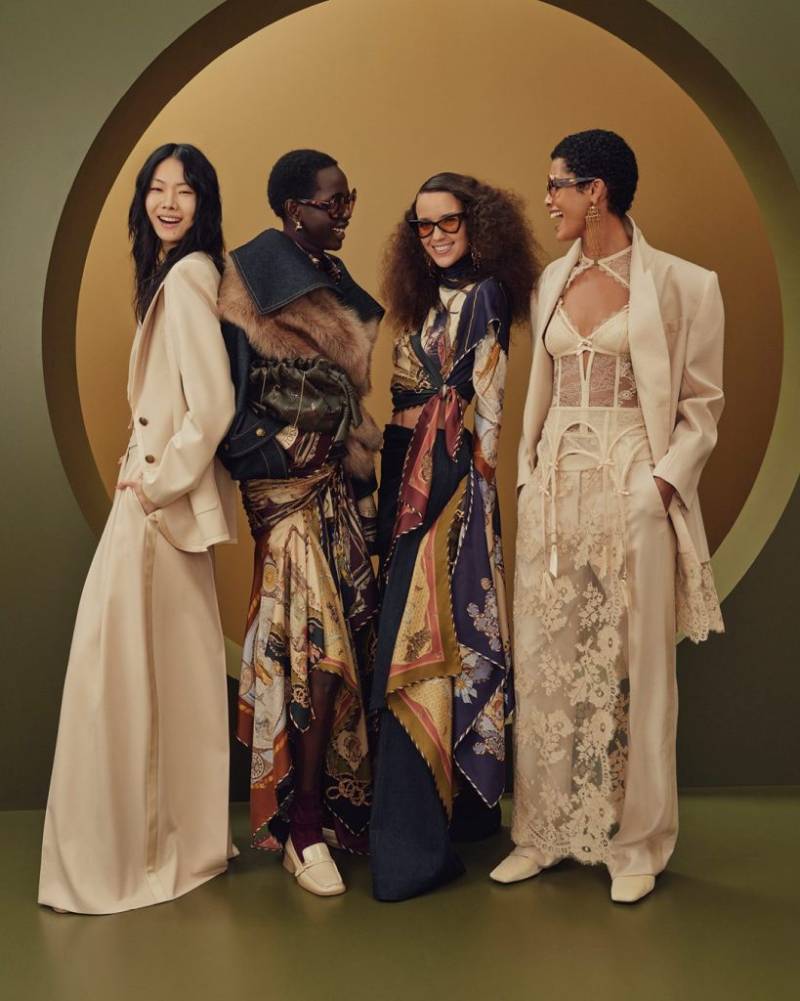
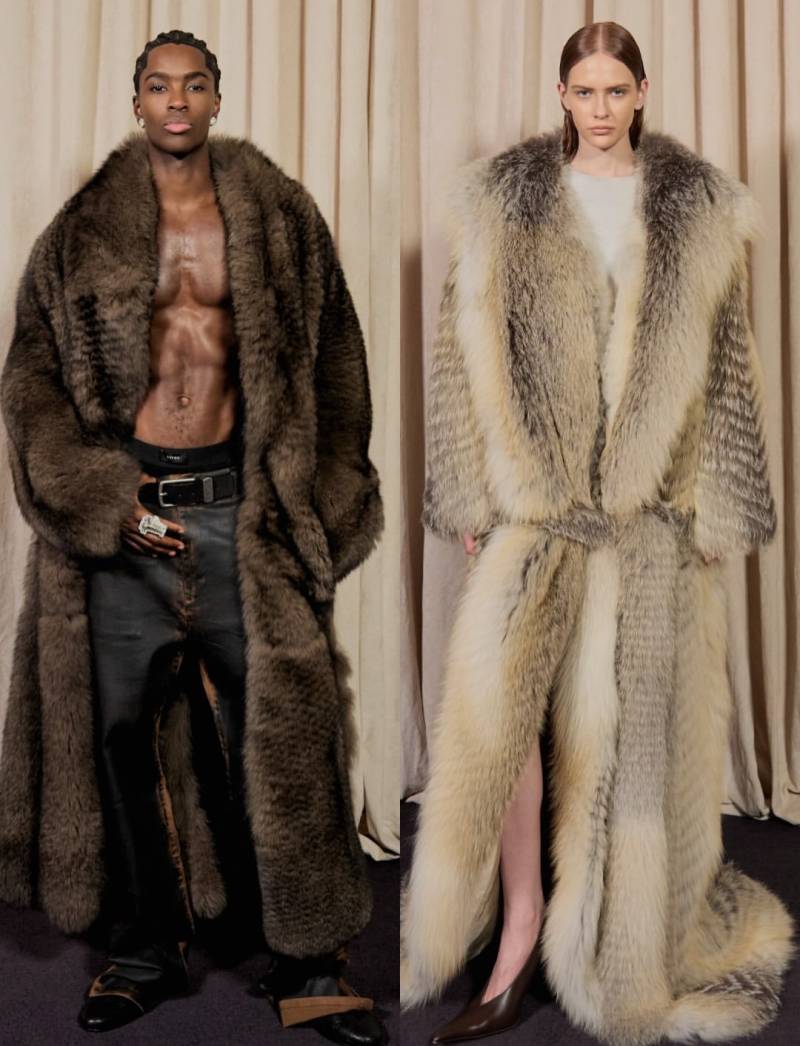
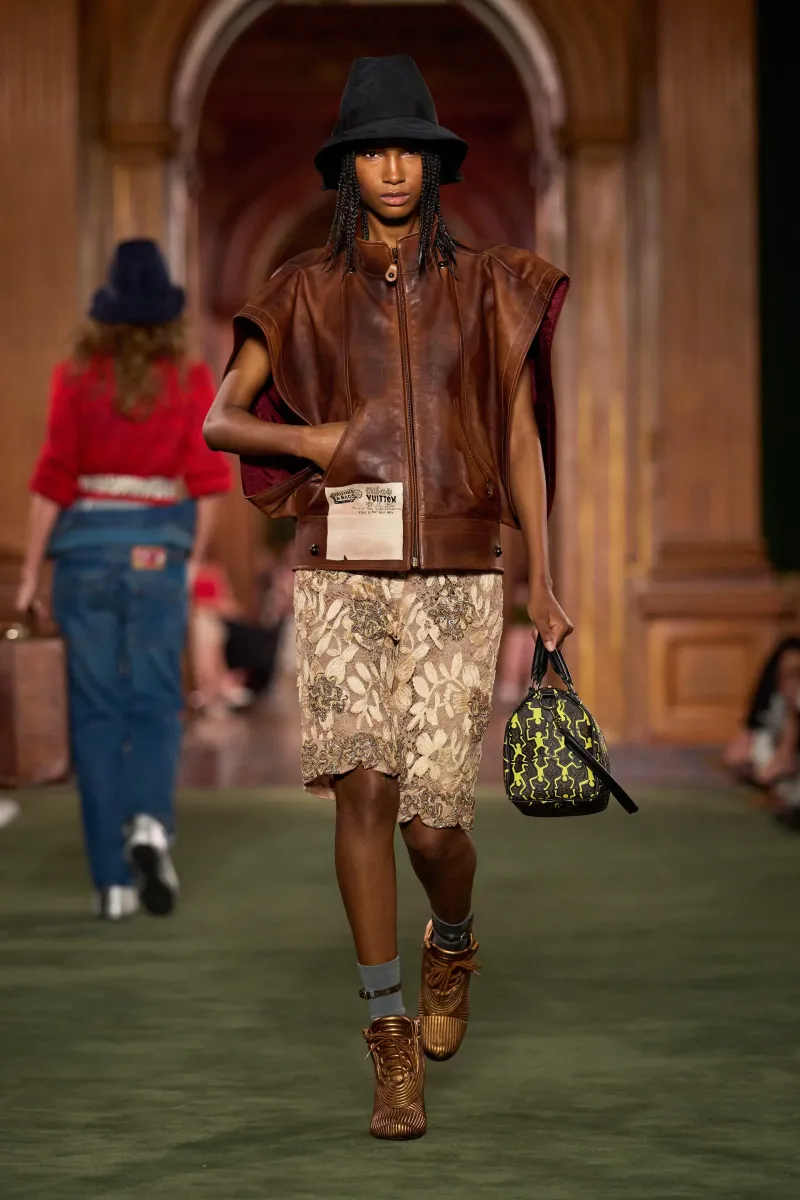
HOLLYWOOD – The architectural lines of the Los Angeles County Museum of Art provided more than just a backdrop for the latest Dior Cruise collection; they served as the stage for a deliberate collision between the history of Parisian haute couture and the myth-making machine of Hollywood. Under the visionary direction of Jonathan Anderson, the brand’s debut Cruise presentation in California was a landmark event, not merely for its geographical ambition, but for its structural innovation: this was the first time in the house’s history that womenswear and menswear were unified into a single, cohesive narrative. Captured through the lens of documentarian Loïc Prigent, the show was a masterclass in atmospheric storytelling, revealing how a brand rooted in the elegance of the 1950s can effectively synthesize the grit of noir cinema with the fluidity of contemporary design.
The collection was a profound exploration of cinema, specifically the theatrics of character building that defined the golden age of Los Angeles. Anderson’s approach was rooted in a deep cultural understanding of Dior’s historical ties to the film industry, treating every garment as a costume for a role yet to be played. This was not a nostalgic look backward, but a transformational framing of mid-century aesthetics through a modern, deconstructed lens. The centerpiece of this reinvention was the iconic Dior bar jacket, a garment synonymous with the house’s identity. Anderson, however, stripped the jacket of its rigid, traditional associations, reimagining it with timeworn fabrics, frayed edges, and industrial metallic chain elements. It was a bold, intelligent curation that respected the architecture of the past while subjecting it to the stresses of the present.
The visual language of the show was similarly ambitious. Collaborations were woven into the very fabric of the collection, most notably through the dramatic, sculptural hats designed by Philip Treacy, which added a layer of architectural mystery to the silhouettes. In a move that bridged the worlds of fine art and fashion, Anderson partnered with the legendary artist Ed Ruscha, whose quintessential West Coast sensibility was translated into a series of classic shirts. These pieces acted as a grounded counterpoint to the more ethereal elements of the collection, such as the intricate, archival-inspired flower embroideries that adorned several garments, each one a painstaking homage to the house’s 1950s origins.
The atmosphere of the presentation was carefully modulated to evoke the tension of a film noir masterpiece. The lighting design was a direct tribute to the genre, specifically mimicking the sharp, dramatic shadows cast by Venetian blinds in the office of a private detective—a hallmark of classic noir cinematography. This use of light and shadow created a sense of intrigue, forcing the audience to focus on the interplay of volume and structure as the models moved through the space. It was a strategic storytelling choice, shifting the show from a passive display of clothing to an active, cinematic experience where the garments were the protagonists in a dark, glamorous mystery.

Related article - Uphorial Shopify
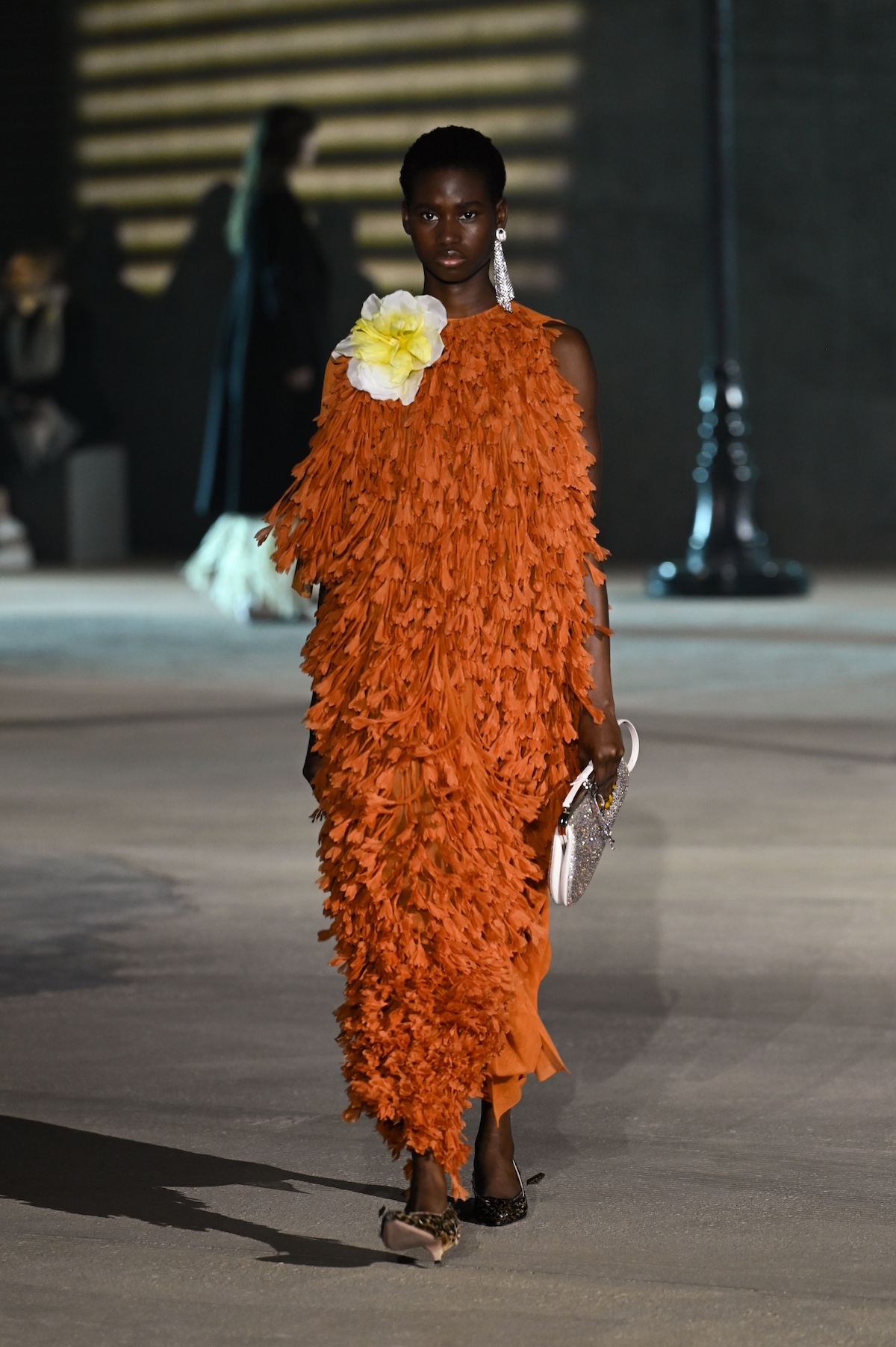
Backstage, the mood was a study in controlled energy. Jonathan Anderson, ever the meticulous orchestrator, emphasized his primary goal: to find the perfect tension between the traditions of the house and the requirements of contemporary life. His objective was clearly met, as the collection moved with an effortless elegance that belied the complexity of its construction. The reception was nothing short of electric, drawing a diverse and high-profile audience including Miley Cyrus, Lauren Hutton, and Tracee Ellis Ross. Their praise underscored the collection’s success; they spoke of the balance between structure and volume, the creative risks taken with the fabric treatments, and the way the clothes managed to feel both grounded and aspirational. This show represented a significant milestone for Dior, signaling a willingness to break with established norms to find a more fluid, relevant path forward. By collapsing the distinction between menswear and womenswear, Anderson has suggested that the future of the house lies in a more unified, gender-agnostic approach to style. It was a bold maneuver that, in the hands of a lesser designer, could have felt disjointed; instead, under Anderson’s curation, it felt like an inevitable evolution. The blend of Hollywood glamour, artistic collaboration, and technical deconstruction resulted in a collection that felt distinctly "now" while remaining deeply respectful of the "then."
As the event concluded at LACMA, the significance of the moment was clear. The debut Cruise collection was not just a season-specific offering; it was a manifesto for a new era of Dior. It challenged the audience to reconsider the boundaries of luxury—to see the value in timeworn textures, to appreciate the narrative potential of film noir-inspired lighting, and to recognize that the most elegant solution is often the one that embraces contradiction. The show proved that when heritage is approached with both reverence and a willingness to dismantle, the results are transformative. As the shadows of the Venetian blinds faded and the models made their final pass, it was evident that Anderson had succeeded in his primary task: he had taken the ghosts of 1950s Hollywood and made them speak to the present, proving that the most enduring luxury is the ability to continuously reinvent one’s own story.