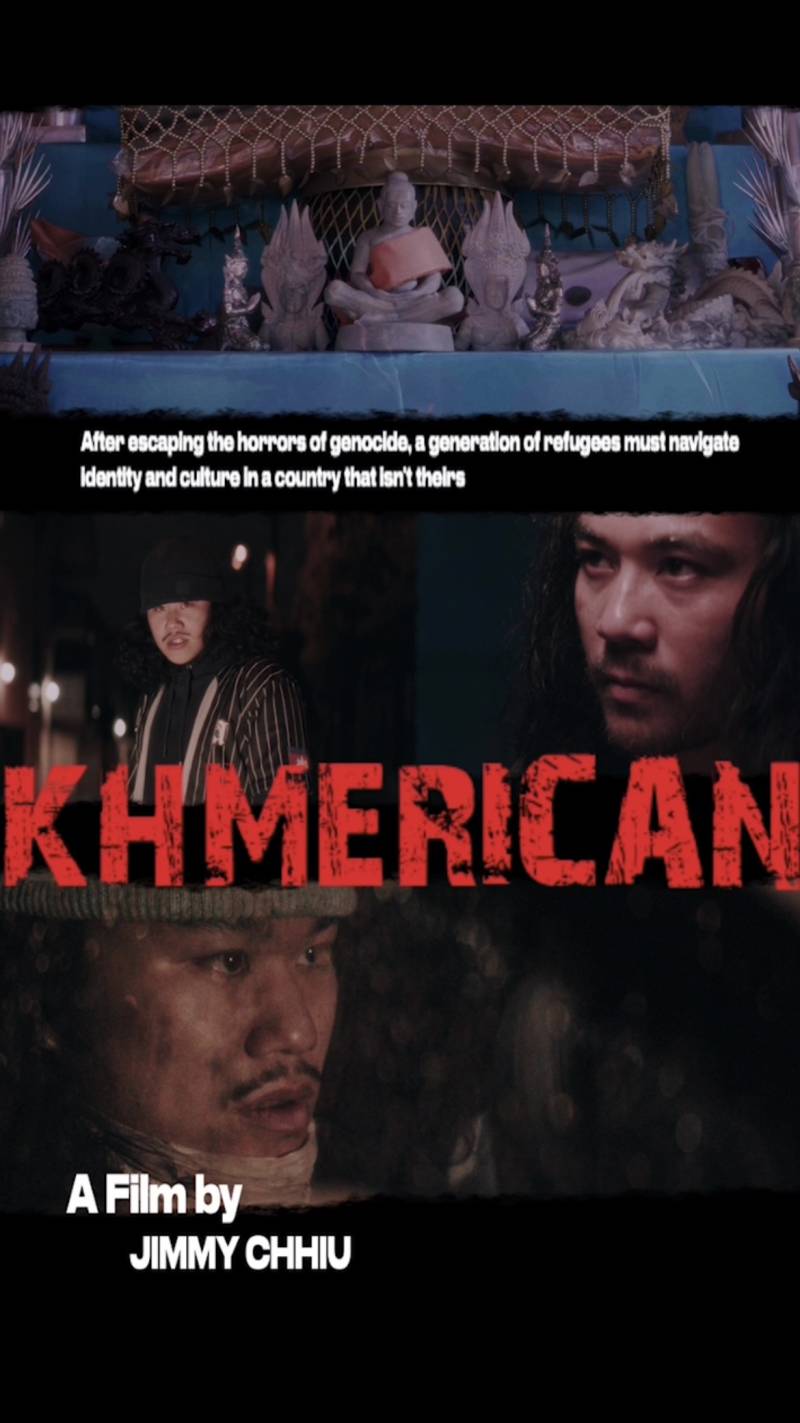
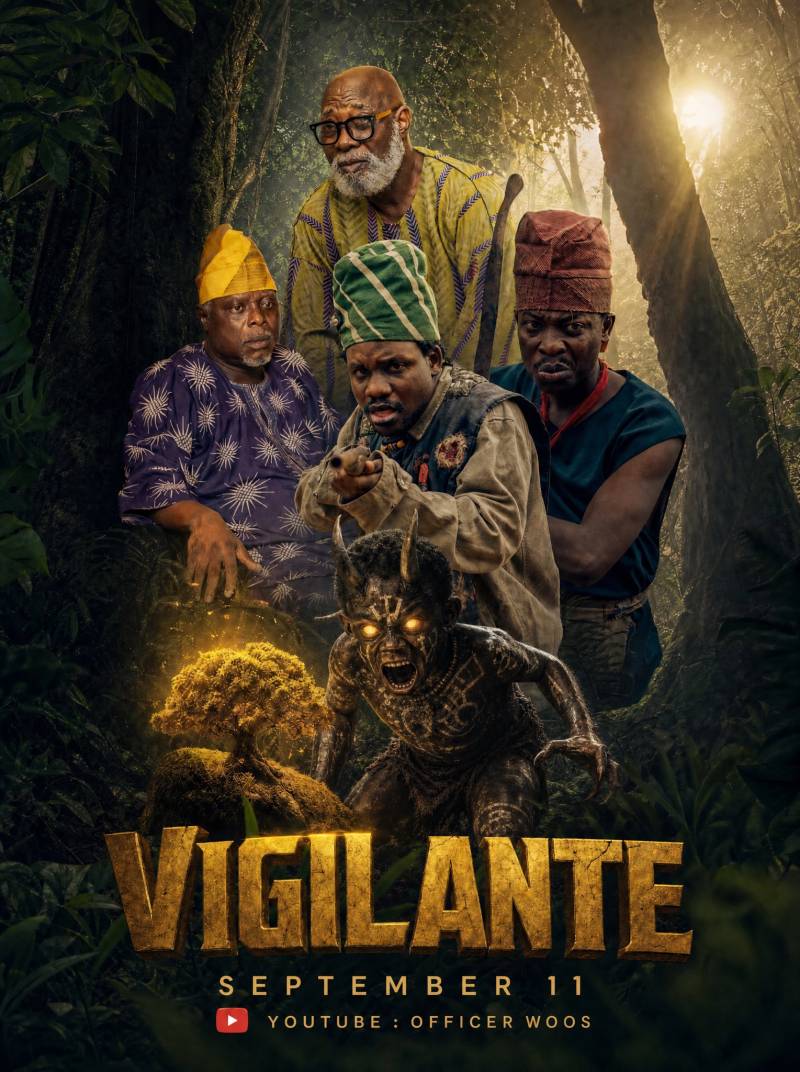
We step into the hushed lights of a theater in Washington, D.C., but it’s not just another screening. It’s a mirror held up to the African soul, alive, defiant, and tender. The African Diaspora International Film Festival, returning this August at George Washington University, isn’t merely showing films; it’s unearthing stories that pulse with humanity. This festival is a living, breathing archive of who we are, who we were, and who we’re daring to become.
This year marks the festival’s 18th annual edition. Still, the spirit behind it dates back to 1993, when founders Diarah N’Daw Spech and Reinaldo Barroso Spech established it as a tribute to Black experiences from around the globe. What began as a response to invisibility has become a celebration of narrative sovereignty, cultural reclamation, and unapologetic truth-telling.

Related article - Uphorial Sweatshirt
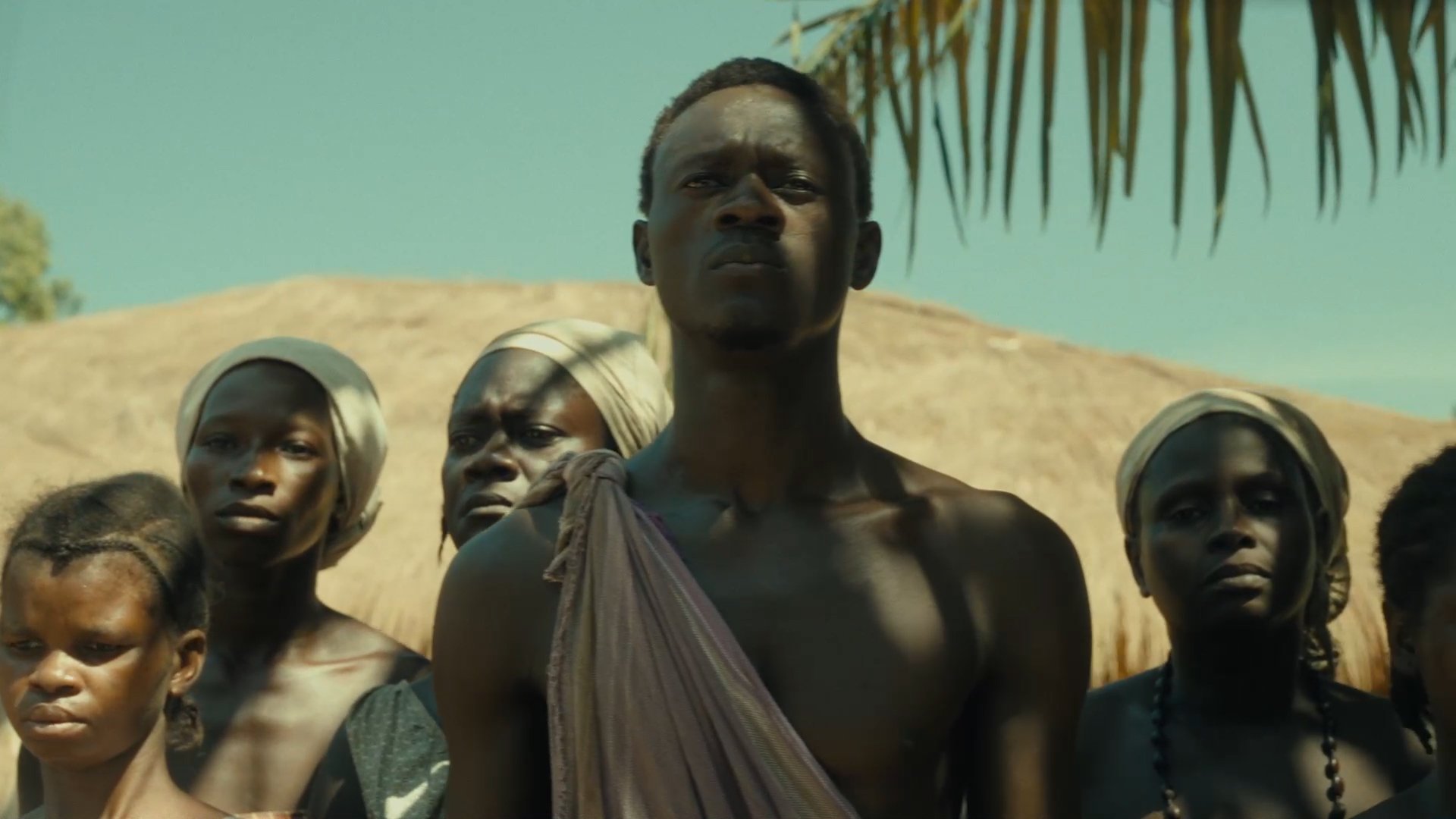
Imagine sitting among a crowd as films from 14 countries, including Ethiopia, India, Guyana, Nigeria, the Netherlands, Indonesia, Haiti, Spain, the United Kingdom, Canada, South Africa, the United States, Belgium, and the Dominican Republic flicker on screen. These aren’t just frames; they’re lifelines cast across oceans, uniting histories of anti-colonial resistance, Black music, migration stories, and women’s struggles for visibility and justice. We aren’t talking about generic plot summaries here; we’re talking about the narratives that bind and break us. That Ethiopian love story in Megnot, the haunting truth of The Man Died, rooted in Wole Soyinka’s wartime memoir, and the unflinching storytelling of Legacy: The Decolonized History of South Africa. These stories are not simply watched; they suture wounds, demand recognition, challenge stereotypes, and invite the diaspora home to its voice.
Africa is not a single story. It is a drumbeat, many rhythms in constant conversation. The continent’s cinematic heartbeat, whether in gritty documentaries or breathtaking fictional narratives, pulses through the festival’s screenings. It is here that we are brought closer to liberation songs, to women carving new futures, to exiles searching for belonging, and to ancestors whose spirits still shape our destiny. Our journey with the African Diaspora International Film Festival is never passive. It’s intimate and immersive. It asks the questions most people avoid: how do memory and modernity dance without stepping on each other’s toes? When the camera lingers on a face etched with both struggle and resilience, we are forced to see our reflection, our shared humanity, our shared bloodlines, and our interconnected struggles for dignity. In a world that too often reduces Africa to headlines about conflict or poverty, this festival dares to present complexity, beauty, contradictions, laughter, and unshakable hope. It reminds us that Africa is not just the past we came from, but the future we are building.
In the end, Diaspora Film Festival Reveals Africa’s Soul is more than an event; it is a pilgrimage. A sacred meeting point for those who know that stories are the lifeblood of a people. One that invites us to listen to voices that have always existed, voices once silenced now roaring to be heard. We are not just spectators here. We are descendants, witnesses, and co-authors in an unfolding conversation that stretches across generations and continents. Here, in the quiet dark of the theater, we do not simply watch Africa; we meet her. And she meets us back, with open eyes and an unshakable gaze.