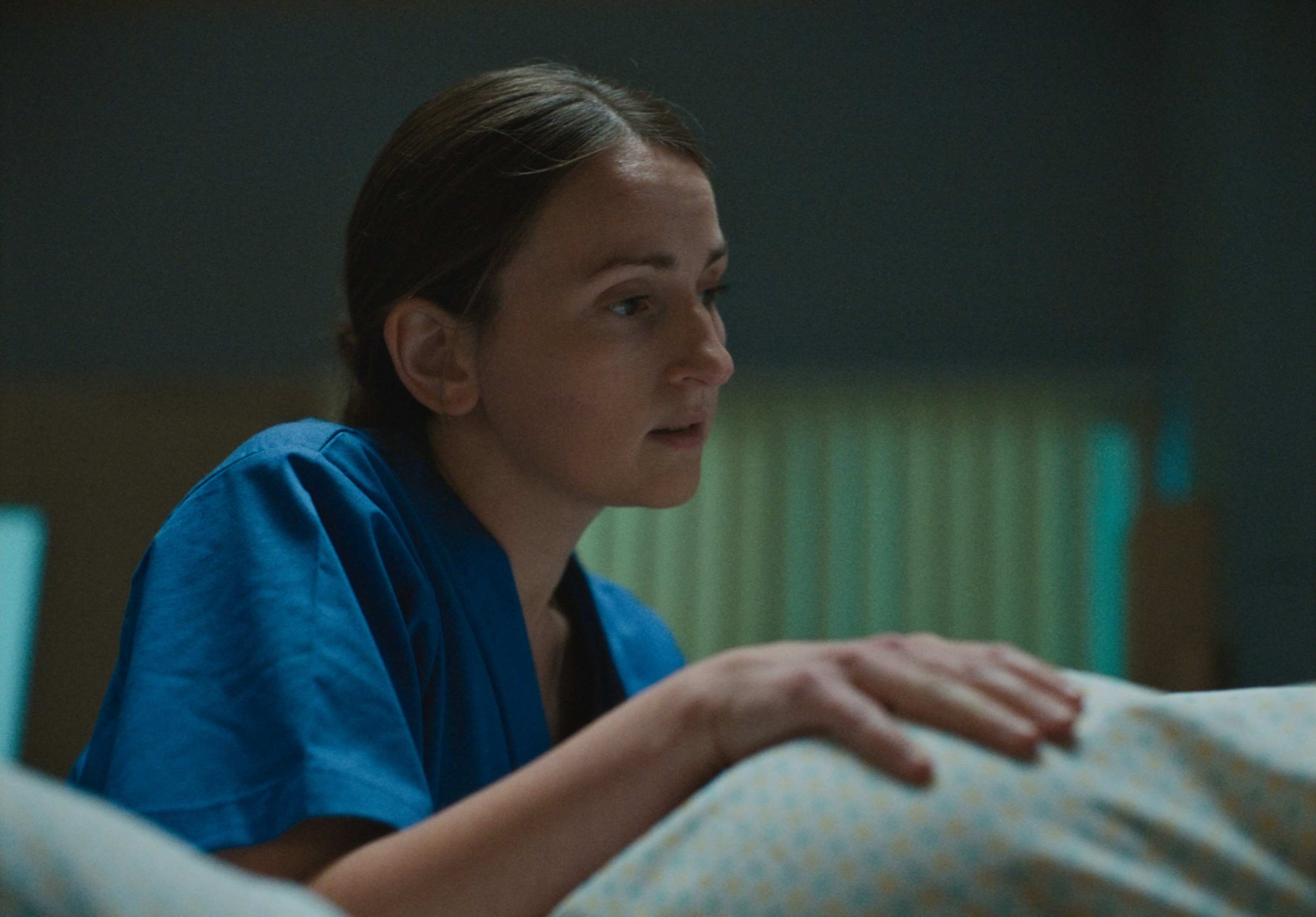
The fluorescent hum of a National Health Service hospital ward is a sound that rarely changes, regardless of the calendar. Yet, on Christmas Eve, the contrast between the world outside—festive, expectant, and warm—and the clinical, high-stakes reality inside the maternity unit becomes a profound psychological burden. Delivery, an award-winning British short film, captures this dissonance with a startling, almost surgical precision. It is a portrait of the invisible labor that sustains the healthcare system, focusing on the story of Mary, a midwife whose professional life is a testament to the quiet, often devastating, endurance required of those who stand at the threshold of life and loss.The film opens in the days leading up to the holiday, setting a scene of systemic fragility. Mary, a midwife of immense dedication, arrives for her shift on December 23rd to find a ward already buckling under the weight of severe understaffing. In the quiet, strained atmosphere of the corridors, the mission is clear: to ensure the safety of mothers and newborns under conditions that are far from optimal. As the night unfolds, Mary finds herself managing the divergent destinies of two patients: Isa and April. Each woman represents a different side of the birthing experience, one defined by the sudden, cruel unpredictability of medicine, and the other by the complex, layered challenges of social history.
The narrative arc of Isa’s labor serves as the film’s emotional epicenter. What begins as a routine delivery is shattered by the diagnosis of a placental abruption—a rare, silent, and catastrophic complication that leaves no room for hesitation. In these moments, the film eschews cinematic artifice, choosing instead to portray the grueling, frantic choreography of an emergency C-section. The medical team moves with a collective, desperate intent, yet the tragedy that follows is inescapable. The loss of the baby is not presented as a plot twist but as a stark, harrowing reality of medical practice, a moment where the promise of a holiday arrival is replaced by a profound, hollow silence. For Mary, this is the burden of the midwife: to be the primary witness to the absolute peak of human potential and the absolute nadir of human grief, often within the space of a single hour.Yet, there is no time to mourn. The reality of the ward demands that Mary immediately transition from the site of one tragedy to the bedside of another patient, April. April’s narrative is fraught with a different kind of intensity; as a woman with a difficult history involving social services, her labor is not just a physical event but a struggle against systemic scrutiny and past trauma. Mary’s role here is transformational. She provides a professional, grounded stability that allows April to reclaim agency over her own experience. Mary’s ability to compartmentalize her own raw grief to provide unwavering, compassionate care to April is not presented as a superhuman feat, but as the essential, taxing requirement of her vocation. It is a profound exploration of the emotional resilience required to remain present for others when one's own reserves have been drained by the weight of the previous hour.
Related article - Uphorial Shopify
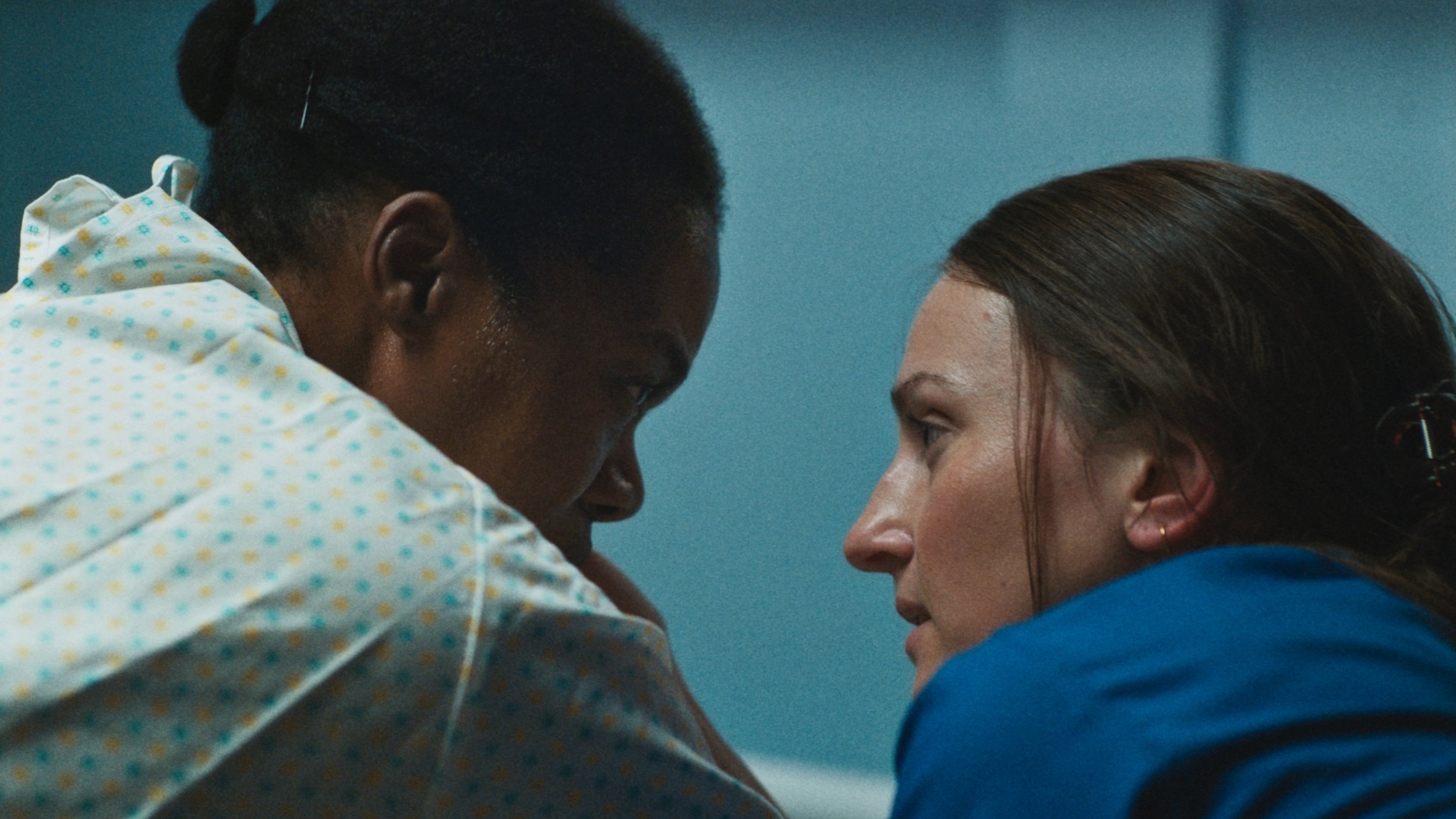
The final segments of the film offer a glimpse into the aftermath, stripping away the drama to reveal the lingering toll of the profession. Mary is commended by her superiors for her handling of the shift—a recognition that feels both necessary and insufficient, given the depths of what she has endured. There is no grand resolution, only the quiet, rhythmic closing of a night that will forever be partitioned into "before" and "after." As Mary finally leaves the hospital, returning home to the quiet, mundane comfort of her own family, the film underscores the cyclical, punishing nature of the work. She is a woman who has held the world together for others while her own interior life was being tested to its limits.

The authenticity of Delivery is bolstered by a casting choice that borders on the revolutionary. Rosie Chappel, who portrays Mary with a lived-in, unvarnished intensity, is a practicing midwife in real life. This is not an actor mimicking the motions of healthcare; this is a professional translating her daily reality into a medium that allows the public to finally witness the gravity of her work. Her performance, which earned her the Best Actress award at the British Short Film Awards, is anchored in the small, tactile details: the way she adjusts a monitor, the specific cadence of her voice during a contraction, and the almost imperceptible flicker of exhaustion behind her eyes. It is an act of storytelling that demands recognition not just for the film as a work of art, but for the labor of the midwifery profession itself.
Delivery stands as an essential piece of contemporary cinema because it refuses to romanticize the act of childbirth. Instead, it invites the audience to confront the intersection of humanity, trauma, and institutional pressure that defines the life of a modern midwife. It highlights the systemic failures that often force these professionals to work through the holidays, short-staffed and unsupported, and it elevates the quiet, heroic consistency they maintain in the face of impossible outcomes. By the time the credits roll, the film has achieved its goal: it has reframed the act of birth as a collaborative, fragile endeavor that depends entirely on the resilience of the individuals in the room. In the end, Delivery is not just a film about a shift in a hospital; it is a profound, empathetic examination of the human condition, centered on those who spend their lives ushering it into being, regardless of the cost.