Decoding the complex mechanisms of the contemporary art world reveals a market governed by unique rules, where distribution channels, pricing dynamics, and the emotional value of an object coalesce to determine its worth. In a detailed exploration provided by Art Basel, key industry figures dissect how art is bought and sold, the criteria for collecting, and the seismic shifts brought on by increased transparency.
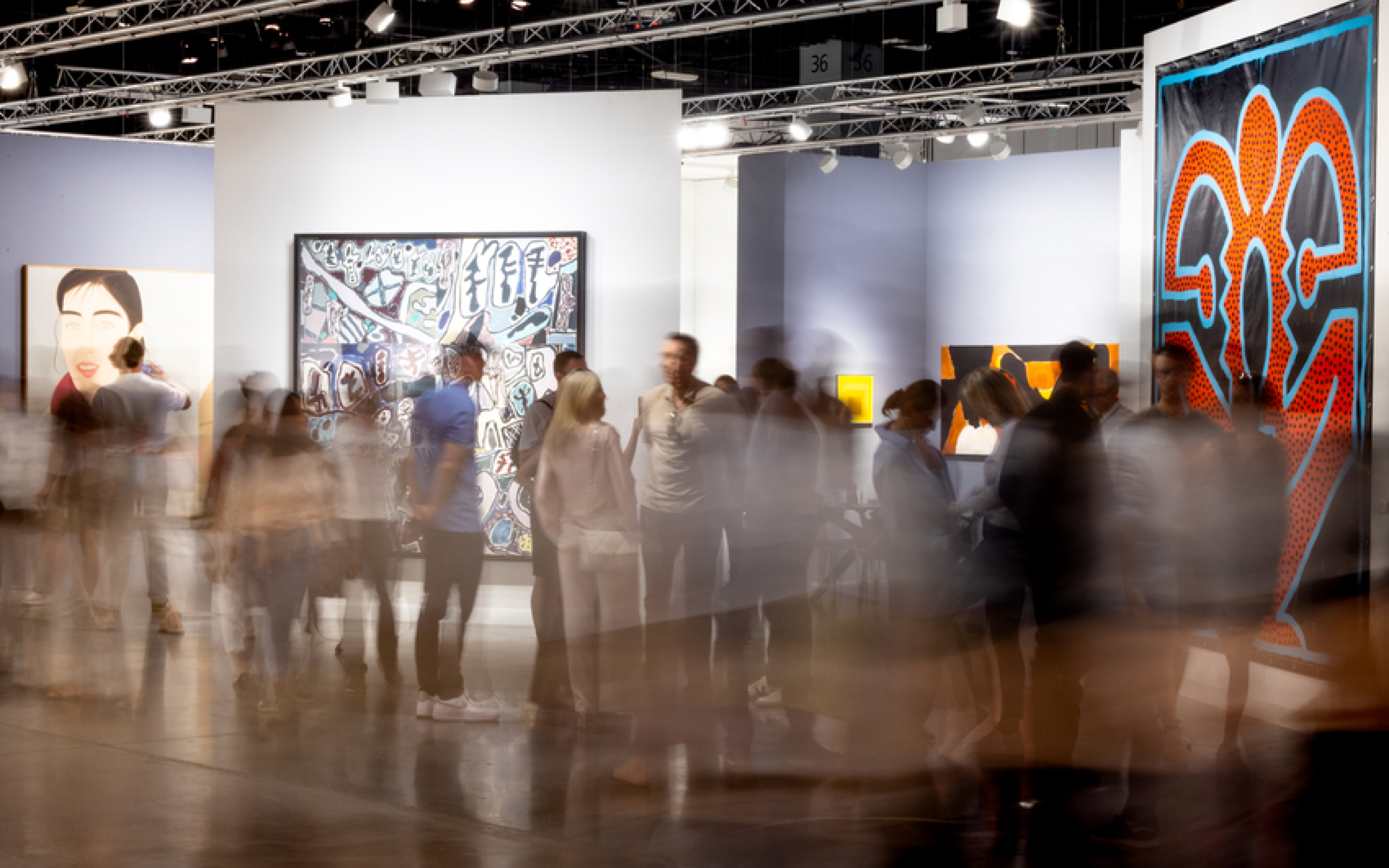
The art market possesses a unique set of dynamics that dictate how paintings are bought and sold, leveraging various essential channels of distribution including online sales, live auctions, dealers, and art fairs. For individuals wishing to acquire art from a gallery, the initial step involves reaching out to the dealer. A dealer will typically seek to understand more about the collector's existing collection or interests, specifically asking about themes or imagery that draw them to an artist, ensuring they find "the right work".
Buying from an auction serves a different purpose than buying from a gallery. The biggest reason to buy from an auction is either to acquire "something historical that won't be offered at a gallery" or, more importantly, because it offers "the best opportunity to buy the best work for the fairest price". Walking into major auction houses like Christie's or Sotheby's during a main auction season allows collectors to experience "a whole art history lesson".
Related article - Uphorial Shopify
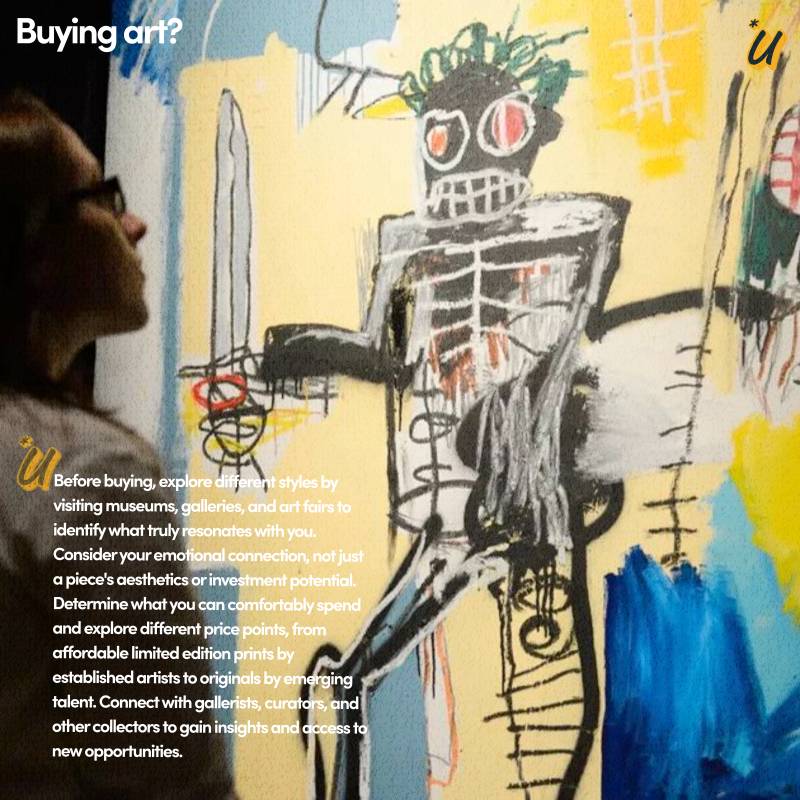
Pricing within this specialized market is generally determined by the "fame of the artist" and the way the work "appeals to individual collectors". A very strong attachment can be felt by a small group of people who are "literally fanatical" about an artist and their work, and their attachment becomes "very key in determining the price of that piece of art".
For established collectors, a "greatest concern" is assessing whether the art of their time—often called zeitgeist—will remain "timeless in a couple of decades from now on". When deciding to continue collecting an artist at "higher and higher price tiers," the criterion used is "first and foremost is how much I believe in the artist as a whole"—focusing not just on an individual work, but their "whole practice" and "how seriously they're taking it".
Those who are starting their collecting journey, conversely, might be "more willing to actually explore the masters of tomorrow". The question of "who is the next Picasso" is frequently asked, but as industry figures recognize, "not everybody knew back at that time that an artist is going to be the next Picasso". Therefore, putting one's efforts into "something that is very new" offers the chance not only for a "cultural investment, but you will receive also the cultural acknowledgement that yes you have chosen one of tomorrow's masters".
Acquiring art successfully requires a balance between intellectual rigor and emotional response. It is important to possess "knowledge deep knowledge" but also "to suspend knowledge for passion because you feel it". The emotional value of a piece, or its "aura of having been loved," is also critical. If a work is "just quickly turned from dealer to dealer to dealer," it is perceived as having a "patina or a smell to it that it doesn't feel like it's been properly loved". Consequently, "the best way to accrue value to works of art is to love them for a long time".
Historically, the art world "used to be very intimidating" for newcomers who lacked price knowledge and feared asking, which could make them "sound like an idiot". However, the rise of online sales, partially accelerated by the pandemic, has introduced "a little bit more transparency coming through" and a "better understanding now". This transparency has helped to "cast aside a little bit of the fog of mystery that surrounds the art market," making the environment "a little less intimidating". This erosion of intimidation is considered progress toward bringing in a "new breed of collectors," and this "younger generation is I think going to be very important to the vibrancy and the sustainability of the art market over the medium term".