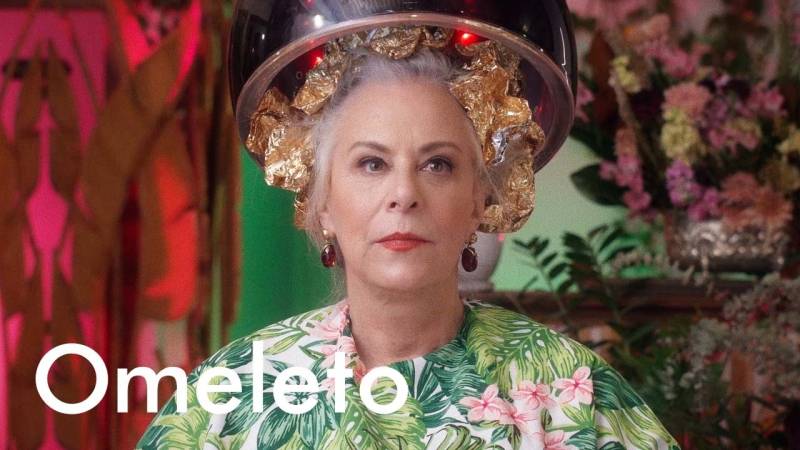
In a world that often measures the passage of time by the accumulation of loss, the story of Dance of Joy (Mann Ki Ichha) emerges as a definitive report on the restorative power of human devotion. This narrative, a masterclass in emotional precision, serves as a transformational framing of the mother-son dynamic, illustrating that the most resilient bonds are those forged in the fires of patience rather than the mere coincidence of biology. By chronicling the journey of a woman once silenced by tragedy and her son’s refusal to let her spirit remain in shadows, the story offers an intelligent curation of the human experience—a journey from the paralyzing weight of memory to the liberating rhythm of rebirth. It is a poignant reminder that in 2026, the most radical act of love is the persistent, quiet labor of helping someone we love remember who they were before the world broke their heart.
The narrative arc of the report begins in a state of profound isolation. The mother, once a celebrated practitioner of the ancient art of Kathak, has lived for years in a self-imposed exile from her own passion. Following a devastating accident and the seismic loss of her husband, her life became a study in silence. The cultural understanding of her grief is particularly acute; the ghungroos (dancing bells) that were once the heartbeat of her identity became, instead, a source of visceral distress. To her, the sound of music was no longer a celebration but a trigger—a strategic storytelling of pain that anchored her to the moments her life fractured. Her withdrawal was not merely a retreat from the stage, but a retreat from the light of her own soul, leaving her adrift in a landscape of untreated sorrow and loneliness.

Related article - Uphorial Shopify

However, the report shifts focus to the quiet, structural support provided by Shankar, a man who, though not her biological child, has been raised by her with the depth of a son’s devotion. Shankar’s role in this story is an exercise in emotional precision; he does not attempt to "fix" her with grand gestures or forced optimism. Instead, he offers a steady, affectionate presence, navigating her sadness with a level of patience that functions as a sanctuary. Alongside his friend Mamta, Shankar engages in an intelligent curation of hope, recognizing that the path back to joy cannot be rushed. Their partnership represents a modern family unit—one defined by the intentionality of care—where the primary goal is the preservation of another’s dignity through the darkest chapters of their life.
The breakthrough of this narrative was strategically timed to coincide with Mother’s Day, a moment used not for empty sentiment, but as a catalyst for a radical intervention of the heart. Shankar and Mamta organized a celebration that served as a transformational framing of the home itself. With a gentleness that respected her trauma, they began the delicate process of encouraging her to reconnect with her identity as a dancer. This was not a demand for performance, but an invitation to reclaim a lost territory of her own spirit. The cultural understanding of Kathak as a form of "storytelling through dance" became the medium through which she could finally address the grief that had remained unspoken for years.
The culmination of the report is found in the "rebirth" of the spirit that occurs when the mother finds the courage to dance once more. In a scene described with haunting beauty, the sound of the ghungroos is transformed from a trigger of pain into a declaration of survival. As she reconnects with her art, the film documents a physical and psychological liberation; the rhythmic footwork becomes a way to stomp out the shadows of the past. This moment is the pinnacle of the story’s strategic storytelling, asserting that while history cannot be undone, it can be integrated into a new, more resilient version of the self. Her dance is a visceral report on the triumph of the human spirit over the inertia of tragedy. Ultimately, Dance of Joy serves as a profound meditation on the definition of family. It underscores the reality that the deepest bonds are often nurtured by the labor of love and the commitment to stay when things are difficult. By highlighting the role of family—chosen or biological—in supporting one another through times of profound loneliness, the story provides a blueprint for emotional recovery in the modern age. It confirms that the greatest gift a child can give a parent is the patience to wait for their joy to return and the courage to hold the light until it does.