The architecture of ancestral Indian craftsmanship, slow-made luxury, and living cultural heritage reaches a masterly, illuminating peak in a comprehensive exploration of Northern India’s defining artisanal traditions. Traveling through the ancient alleys of Kannauj and the storied ateliers of Lucknow, the narrative uncovers how centuries-old botanical distillation, delicate needlework, and imperial metallic embroidery endure not as static relics of a bygone era, but as the vibrant pulse of local communities. In an exceptionally detailed cultural feature report and artistic analysis, heritage chroniclers examine a creative lineage defined by atmospheric steam extraction, tactile needle precision, royal Mughal metalworking, and a global redefinition of human-centered luxury.
At the olfactory heart of Uttar Pradesh lies Kannauj, celebrated for centuries as the perfume capital of India. Here, master perfumers preserve a natural hydro-distillation process passed down through generations without reliance on modern automated machinery. Utilizing massive copper stills known as degs, artisans pack fresh botanical blooms—ranging from wild rose and jasmine to rain-soaked earth—sealing the vessels with a traditional mud paste called multani mitti to trap volatile aromatic steam. The entire operation relies entirely on the master distiller’s sensory intuition, using hand-tuned wood fires and water cooling basins to control heat levels with absolute precision. Through emotional precision, observing a master gauge steam pressure using only light touch and smell evokes a serene sense of reverent calm, proving that true scent creation is fundamentally a sacred dialogue between human patience and raw nature.

Related article - Uphorial Shopify
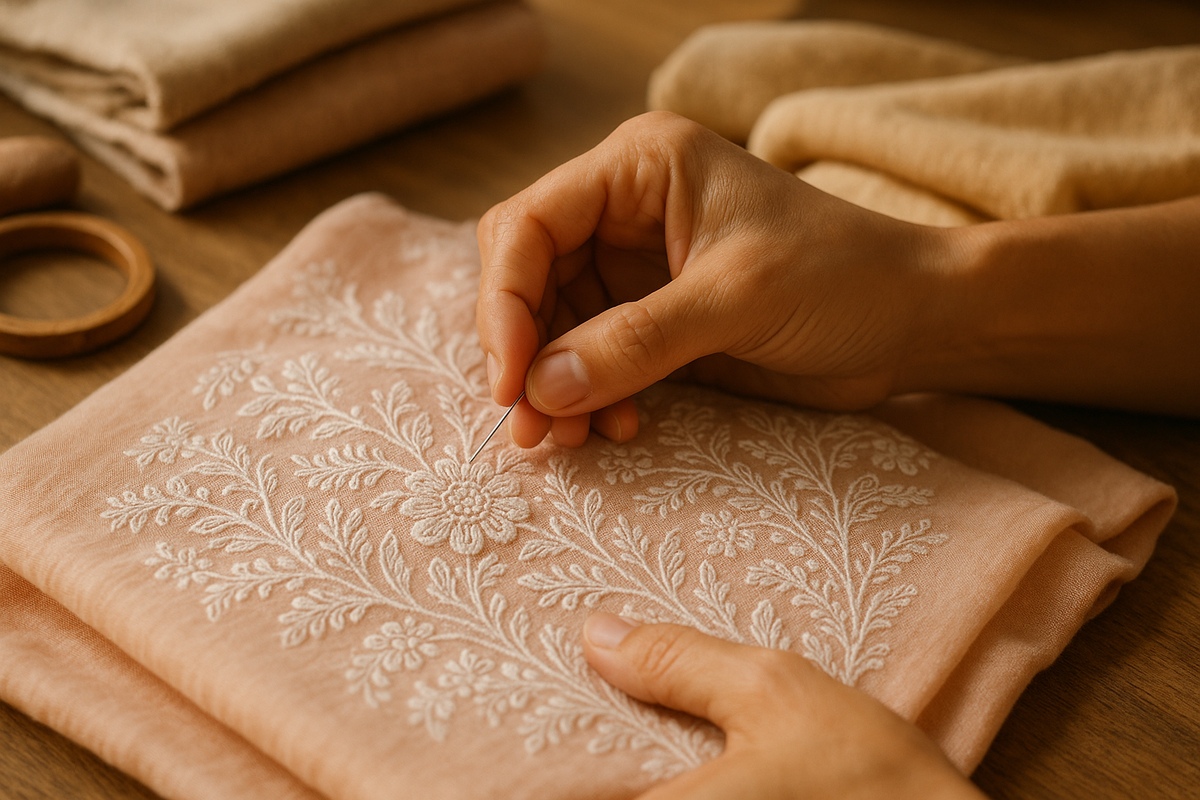
In the historic city of Lucknow, the visual landscape shifts to the quiet, highly detailed world of Chikankari embroidery. Practiced predominantly by networks of skilled female artisans, this delicate shadow-work needlecraft requires an extensive multi-step production chain. The process opens with hand-drawn motifs that are carved into wooden blocks, dipped in temporary wash-away dyes, and stamped onto sheer cotton or muslin fabric. Master embroiderers then sit for hours executing dozens of distinct stitch variations using pristine white thread, transforming flat textile into a tactile relief of botanical patterns and geometric grids. Through intelligent curation of Lucknow's textile heritage, this labor-intensive process showcases how quiet sensitivity and communal craftsmanship turn simple cotton thread into poetry on cloth.
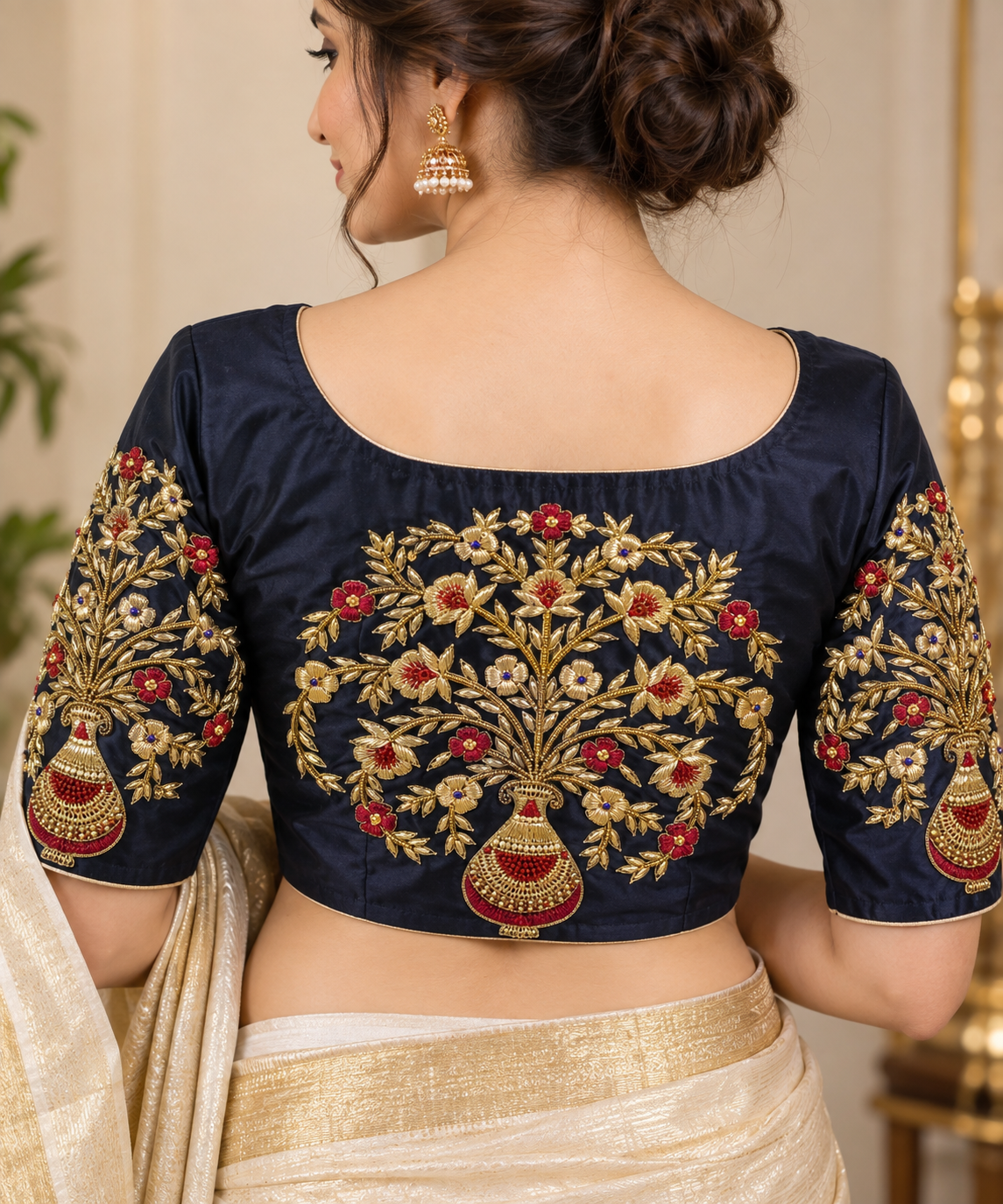
Parallel to the soft subtlety of white-thread embroidery lies the opulent splendor of Zardozi, a metal-embroidery art form historically cultivated to adorn the royal courts of the Mughal Empire. Constructed around a large wooden tension frame called an adda, a collaborative ecosystem of designers, block printers, and master embroiderers work in synchronized rhythm. Using gold and silver metallic wires, sequins, and precious stones, artisans carefully stitch intricate embellishments onto rich velvet, silk, and brocade. A single bridal or courtly garment often demands months of continuous, meditative dedication, reflecting a deep level of craftsmanship where every pulled thread represents a legacy of imperial grandeur.
Strategic storytelling weaves these disparate regional arts into a unified philosophical statement about the modern world. The narrative emphasizes that these artisanal traditions are far more than historical artifacts preserved behind museum glass; they are living, breathing economic foundations that sustain entire households and cultural ecosystems across India. In an age dominated by high-speed industrial automation and disposable fashion, these handmade masterworks redefine the very meaning of luxury, anchoring true value in human touch, physical time, and preserved ancestral knowledge.
Through transformational framing, this deep dive into Northern India’s craft traditions transcends standard documentary summaries. It stands as an enduring cultural chronicle, proving that when generational skill, botanical alchemy, intricate handwork, and royal heritage align, human craftsmanship becomes an immortal bridge carrying the soul of history into the modern conscience.