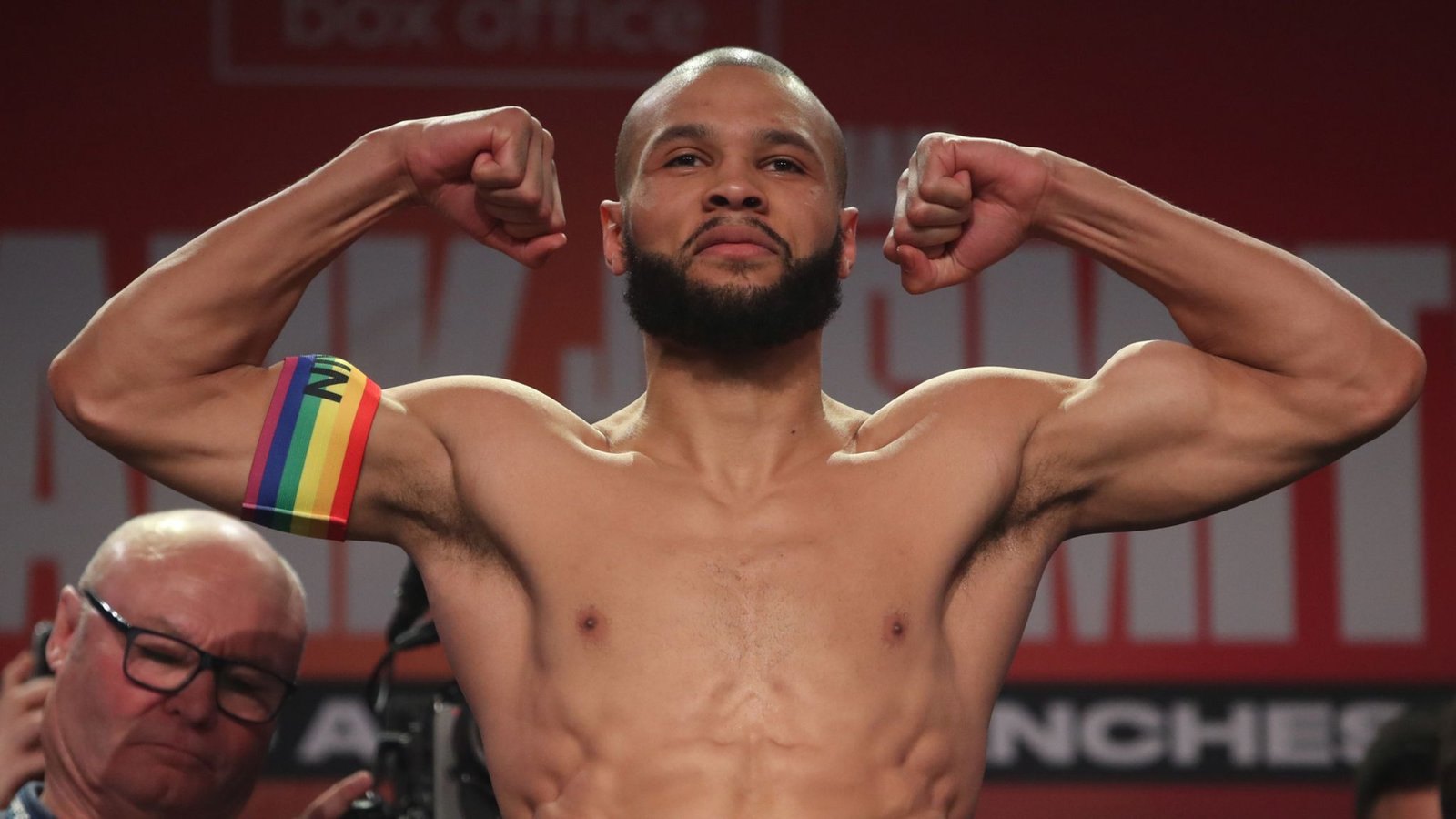
Professional boxer Chris Eubank Jr, in conversation with Andrew Tracy, Men's Health UK Fitness Director, offered a detailed breakdown of the intense training methods he employs, focusing heavily on conditioning the body to "absorb punishment" and endure lengthy, brutal fights. His approach emphasizes that success in the ring requires not only offensive skill but also formidable defense, stability, and unparalleled stamina.
Skipping, or jumping rope, is a fundamental pillar of this regimen. Eubank Jr states that skipping is "great for footwork," "great for cardio," and "hugely important" for "warming up the muscles before a training session," which helps avoid common boxing injuries. He emphasizes that professional skipping is "like a dance" where you move "back and forth" and remain up "on the balls of your feet" to maneuver. For beginners, he suggests mastering the movement, like "fake running," before introducing the rope. Skipping helps ensure a fighter is "warm" before sparring or hitting pads, preventing pulled muscles and hand injuries, as going into a session "cold" is "dangerous". Eubank Jr even noted that his warm-up is so "extensive" that he is "sweating" before his ring walk. He highlighted Floyd Mayweather's "excellent skipping footwork" but focuses on movements that primarily "gets your heart rate up".

Related article - Uphorial Shopify
The most severe aspect of his training is medicine ball conditioning, deemed an "extremely important part" of his regime. Because "boxing is about absorbing punishment" and "body shots" are "some of the hardest shots... to absorb," Eubank Jr deliberately trains to tolerate impact. He uses repeated strikes with the medicine ball to simulate "what a punch feels like to enter into your stomach," gradually making his abdomen "tougher" so he can "tolerate real punches". When receiving the strikes, the requirement is to "tense as hard as you can" to absorb the impact. Conditioning the core allows a fighter to catch a "massive uppercut to your stomach" without getting winded or "taking a knee". Eubank Jr notes that fighters who neglect their core often "freeze" or are "paralyzed because the wind just" leaves them—moments that "can end fights" if one is not prepared.
Hand protection is treated with extreme seriousness, as hands are the "money makers" and their protection is "the most important thing you can do". Eubank Jr uses "readymade hand wraps," a preference driven by his desire for "time efficiency". He tapes over the top of these professional wraps, which provide "much more protection" and "a lot more padding" and "stability" than simple Mexican wraps. The stability achieved when the wrist is taped "stops your wrist breaking," and the padding protects the knuckles. Without proper wraps, knuckles can be broken, the thumb can be broken, and fingers can be injured, all of which "takes you out of the gym" and causes fighters to hesitate when throwing punches. Eubank Jr estimates that "90% of fighters have bad hands" due to neglecting this critical protection. He uses these wraps for "sparring, bag work, pad work, every aspect of boxing".
Eubank Jr considers the heavy bag an "everyday piece of equipment," representing "life really". He favors bags that "replicate a human body better than most" so he can practice uppercuts and body shots. A typical session involves "45 minutes of just solid work no breaks" because training is fundamentally about "stamina" and "endurance," as the fighter who gets tired first "is going to end up losing" in a 12-round fight. Eubank Jr reiterated that body shots are "probably the hardest shots to take" because they target the solar plexus and "breathing apparatus," which can "literally paralyze you". He recounted a time in sparring when an unseen body shot froze him completely, forcing him to adopt a "poker face"—smiling to hide the fact he "can't move"—which successfully deterred his opponent from attacking. This mental and physical discipline to absorb punches and "not let it stop you from continuing to fight" is the aim of his training.