The delicate conservation of masterworks belonging to humanity's collective cultural heritage demands a rare synthesis of scientific rigor, aesthetic humility, and deep historical empathy. When conservators approach canvases touched by the masters of nineteenth-century Romanticism, they are not merely cleaning pigments; they are engaging in a silent dialogue with the dead, lifting away the heavy accumulation of decades or centuries to restore the artist's original vision. In an exceptionally luminous, masterclass-level art historical and conservation feature report, museum curators and restoration specialists examine the meticulous revitalization of Eugène Delacroix's masterpieces, breaking down the delicate chemistry of varnish thinning, the optical science of texture matching, the meticulous cadence of layered retouching, and the stunning scientific discoveries brought to light through advanced X-ray and infrared imaging that revealed a hidden, discarded figure beneath a charging horse's hooves. Through emotional precision, intelligent curation, cultural understanding, strategic storytelling, and transformational framing, this comprehensive news-style report explores a transcendent journey into the resurrection of pictorial genius.
The restoration process begins in the quiet, sterile atmosphere of the conservation studio, where specialists confront the physical ravages of time head-on. Centuries of oxidation, atmospheric soot, and previous, heavy-handed restorations often lock an artist's vibrant palette behind a suffocating, amber-yellow veil. The first critical phase involves meticulous varnish thinning, utilizing precisely measured, solvent-soaked compresses applied with microscopic care to gently and respectfully lift away the discolored, degraded resin layers. Through emotional precision, watching the murky veil dissolve to reveal the blinding brilliance of Delacroix's original cobalt blues and incandescent reds evokes a profound sense of awe—resembling the moment an archaeologist gently brushes the dust off an ancient artifact to hear its first breath after centuries of silence.

Related article - Uphorial Shopify
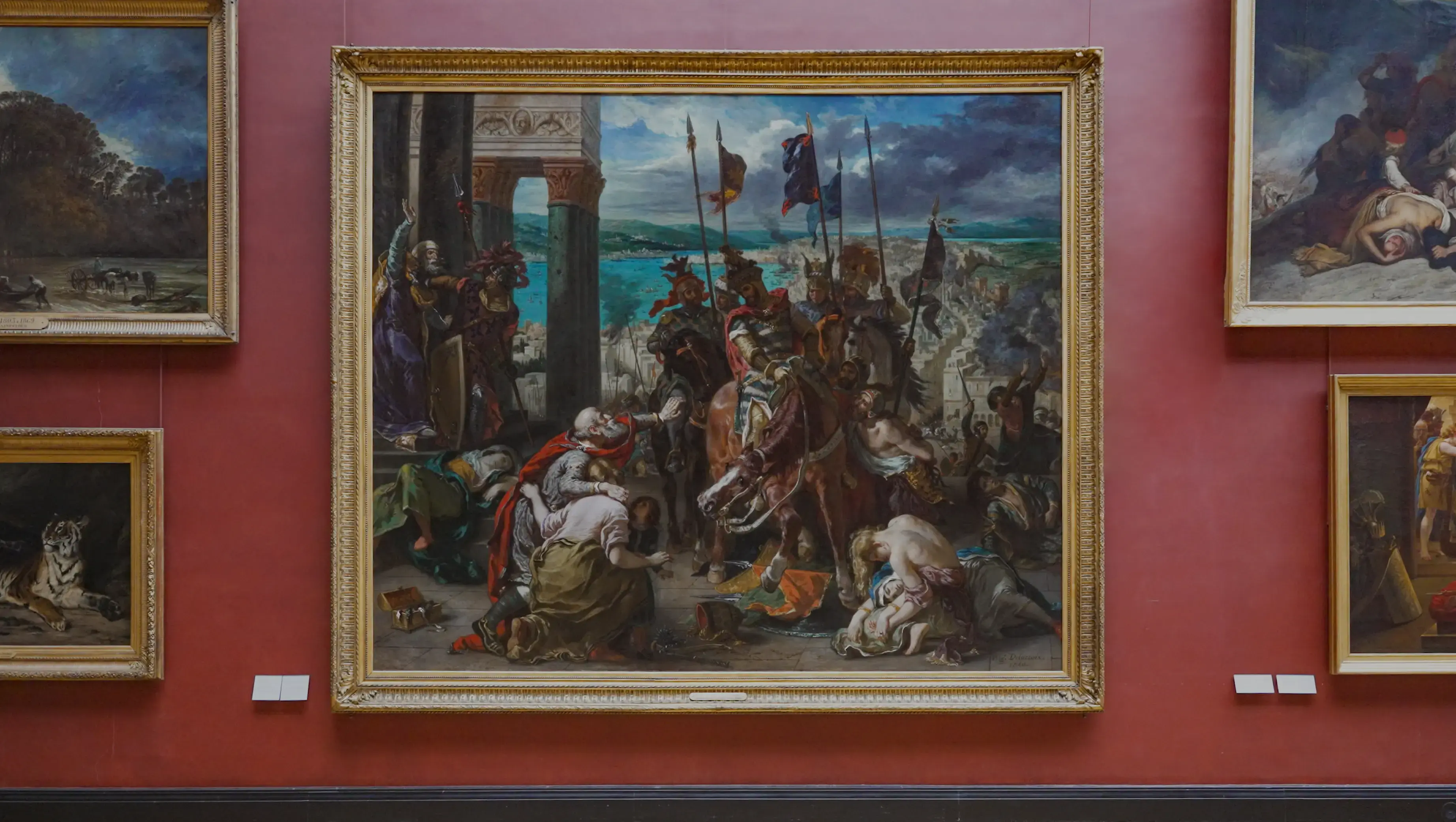
Once the pristine pigment layer is safely uncovered, conservators turn their attention to the structural integrity of the canvas itself, tackling surface abrasions and structural losses through advanced texture matching. Recognizing a fundamental tenet of human visual perception—that the human eye registers physical texture long before it processes color—specialists apply specialized, archival fillers to damaged areas, meticulously molding the surface to seamlessly replicate the artist's original brushwork and canvas weave. Through intelligent curation of material science, this step ensures that when light strikes the restored canvas, it travels across the surface with the exact rhythm and tactile authenticity intended by the painter’s hand.
The reintegration of color then proceeds through a slow, meditative protocol known as layered retouching, a disciplined dance alternating between the application of protective varnish layers and microscopic color touches. Finished with ultra-fine, transparent glazes, this meticulous method achieves a seamless, luminous surface where repairs are completely undetectable to the naked eye while remaining fully reversible for future generations. Through cultural understanding of Romantic art techniques, this delicate glazing process honors the optical physics that Delacroix himself mastered, ensuring that the interplay of shadow and light retains its original emotional weight and dramatic tension.

Beneath these visible triumphs of conservation lies an equally thrilling dimension of discovery, unlocked by cutting-edge scientific imaging techniques such as X-rays and infrared reflectography. Peeling back the physical layers of the painting without altering a single thread of canvas, the restoration team uncovered a fascinating pentimento—a significant, long-hidden compositional change made by Delacroix himself during the creative process. High-resolution imaging revealed that the master had originally painted a fallen dead man directly beneath the thundering horse's hooves, an element he later decided to paint over, likely to temper the scene's visceral shock for the contemporary nineteenth-century public. Through strategic storytelling, this hidden ghost beneath the paint transforms our understanding of the artist's psyche, illustrating how even a master navigates the delicate boundary between brutal reality and public reception.
These combined efforts of chemical preservation and scientific archaeology ultimately succeed in restoring the painting's intended depth, structural integrity, and the fierce, striking dramatic contrast between the brooding, shadowy knights and the illuminated, vulnerable civilians caught in the balance. Through transformational framing, the restoration of a Delacroix canvas transcends standard museum maintenance; it becomes an act of cultural resurrection, proving that when science and reverence unite to heal the wounds of time, humanity's greatest artistic treasures continue to speak across the centuries with undiminished power.