Africa at a Crossroads, in navigating aid cuts to unleash a continent's potential, this was the conversation in a recent high-level discussion featuring Bill Gates and other leaders, which delves into the pressing challenges and immense opportunities facing Africa. The conversation paints a picture of a continent at a critical juncture, grappling with the immediate crisis of declining foreign aid while holding the key to future global growth through its vast human capital. The core takeaway is a call for a paradigm shift: moving beyond dependency toward a future driven by visionary African leadership, strategic internal investment, and innovative public-private partnerships.
Bill Gates opened the discussion with a stark warning about the consequences of dwindling foreign aid from wealthy nations - a looming crisis and a reversal in global health. For the past 25 years, rich countries have allocated a small fraction—less than 1% of their budgets—to aid, which has had a monumental impact, saving tens of millions of lives. However, this funding is now decreasing.
The immediate and tragic result of these cuts is that, for the first time in 25 years, child mortality is projected to rise. After decades of progress that saw annual child deaths drop from 10 million to 5 million, the trend is now reversing, exacerbated by the debt situations in many African countries. Gates emphasized that private philanthropy, while important, is "tiny" in comparison and cannot possibly compensate for the massive shortfalls left by government aid reductions.

Related article - Uphorial Sweatshirt

The panel explored why Africa remains the central focus of these efforts. While many large Asian nations like India and Indonesia have developed their economies to "graduate" from being aid recipients, much of sub-Saharan Africa remains in a "poverty trap". Basic needs like nutrition, primary healthcare, and vaccines are still not met for a significant portion of the population.
This situation is critical because of Africa’s most significant and unique characteristic: its demography. It is the only continent experiencing population growth, leading to a massive "youth bulge". This young population represents the continent's greatest asset, but its potential hangs in the balance. Without investment in health and education, malnutrition and disease not only cause high death rates but also prevent millions from ever developing to their full physical and mental potential. The central question posed is whether this youth bulge will become an engine for growth or a source of instability. While acknowledging the crisis, the speakers also issued a powerful call for African nations to take responsibility and look ahead rather than focusing on the crisis. The sentiment was clear: instead of crying about aid cuts, it is time for Africa to build its own nations with its own visionaries. This requires a fundamental shift toward investing internally in key areas;
• The Youth: Africans must invest in their own young people, paying critical attention to issues like mental wellness and health.
• Infrastructure: Building robust infrastructure is seen as a foundational priority for the continent.
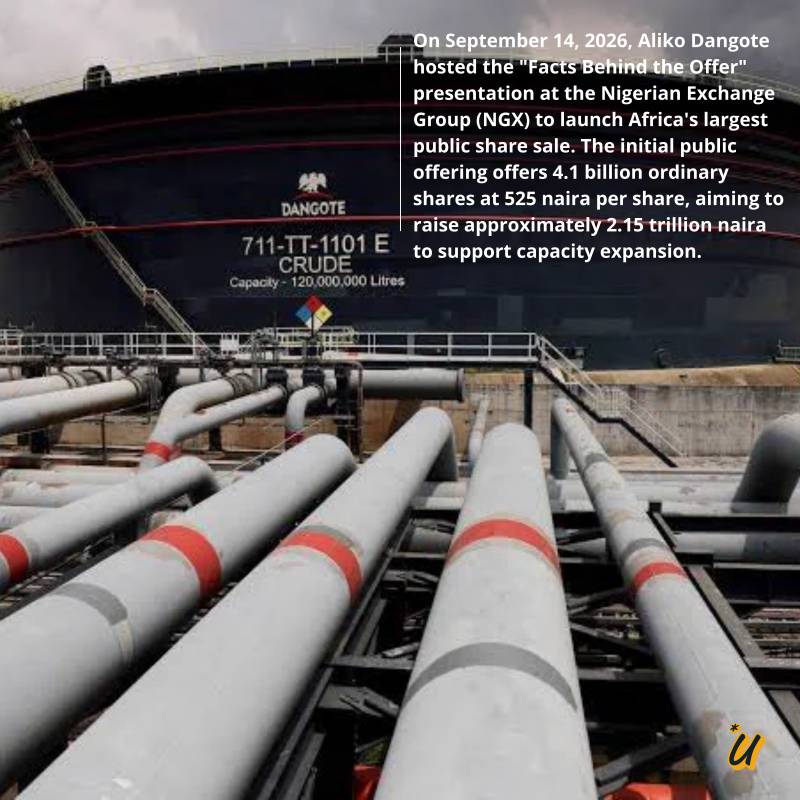
• Leadership and Partnerships: A new generation of African leadership must be creative, flexible, and open. This includes working with private investors, the diaspora, and key local business leaders like Aliko Dangote to drive development. Nigeria was identified as the most critical country for the future of sub-Saharan Africa, despite its political and health challenges, particularly the low vaccination rates in its northern regions.
A particularly insightful part of the discussion focused on the untapped potential of sports. The traditional view of sports in Africa has been limited to recreation and competition. The panel argued for a paradigm shift toward seeing sports as a business—a powerful tool for economic development and unity. The multi-million dollar sports complex in Rwanda, developed under President Paul Kagame's vision, serves as a prime example. This is not just an arena but a complete "ecosystem," featuring a hotel, restaurants, and shops that commercialize the industry and create a self-sustaining economic hub. The success in Kigali offers a blueprint for what can be achieved in other major cities like Nairobi, Lagos, and Johannesburg. By investing in sports infrastructure, Africa can capitalize on its immense talent and create new avenues for growth and employment. The future of Africa hinges on its ability to turn its demographic boom into a dividend. While the decline in foreign aid presents a severe and immediate threat to health and stability, it also catalyzes change. The path forward, as outlined in the discussion, is one of visionary African leadership fostering public-private partnerships to invest in its own human capital. By embracing new models for growth, such as commercializing the sports industry and empowering its young, healthy, and educated population, Africa can unlock its extraordinary potential and chart its own course to prosperity.