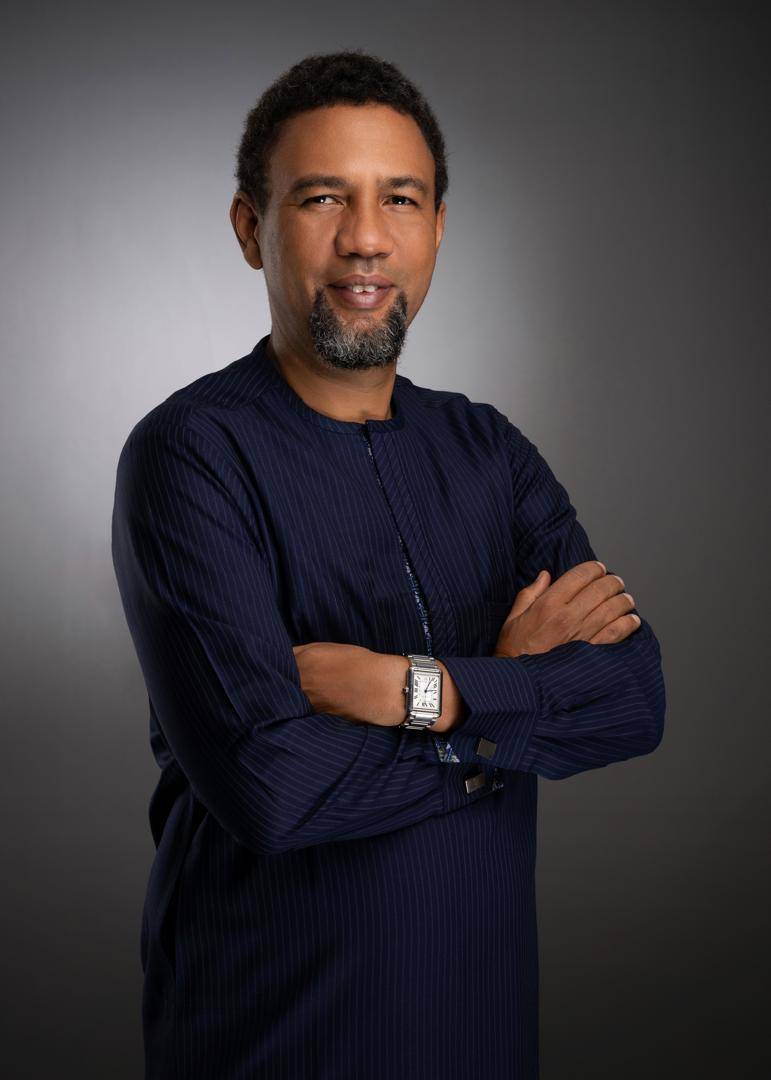
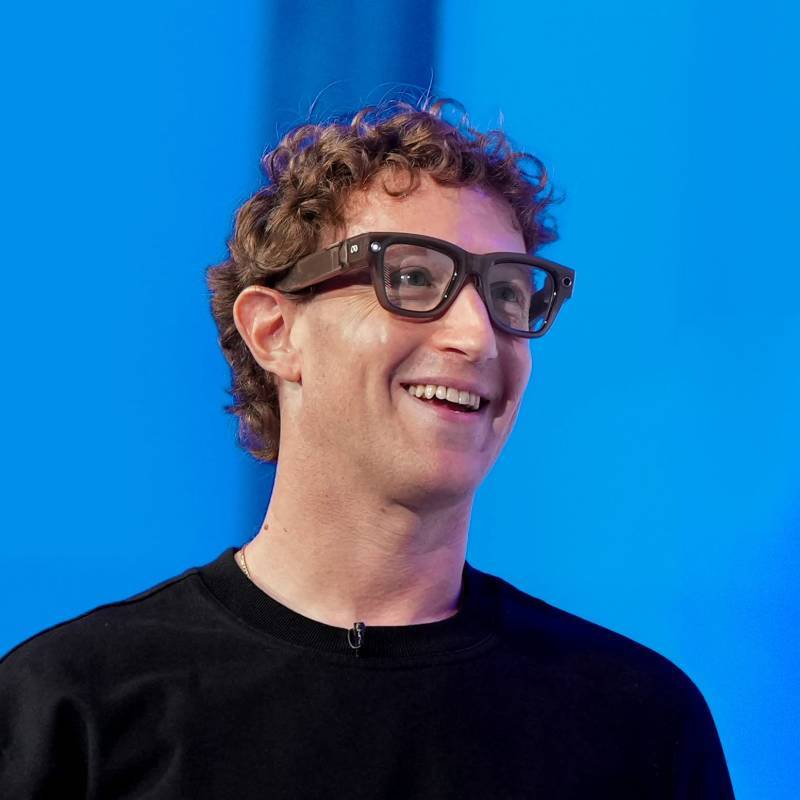
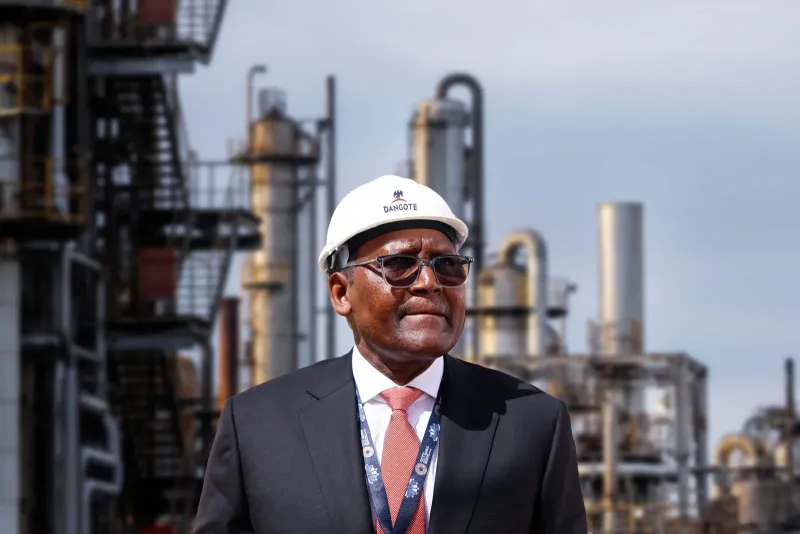
At the Doha Forum, three influential figures driving global transformation—Her Excellency Sheikha Al Mayassa bint Hamad bin Khalifa Al Thani, Bill Gates, and Aliko Dangote—convened to discuss how culture, business, and philanthropy can unify efforts to reshape the future of the Global South. A critical common thread emerged: the necessity of empowering local talent and fostering self-sufficient economies across Africa, Arabia, and Southeast Asia. DRM News captured this powerful discussion, emphasizing that the speakers chose to invest their resources, influence, and imagination in the Global South due to its "incredible promise and the incredible challenges".
Her Excellency Sheikha Al Mayassa, whose country is part of the Global South, asserted that culture is paramount to development, not merely "soft power". For her, culture acts as a neutral space that promotes human dignity and economic transformation. Her focus is on empowering talent and creatives from the region. The 20-year evolution of Qatar Museums (QM) and its 50 years under the umbrella "evolution nation banner" demonstrates this dedication. QM has established institutions like the Doha Film Institute (DFI), which celebrated 15 years in 2023, and M7, an incubator for fashion design and technology. These spaces, including Lewan, the first girls’ school turned into a design laboratory, aim to ensure stories from places like Palestine or Sudan are told from their own perspectives. This cultural ecosystem now links creators from Arabia, Africa, and Southeast Asia, such as a Nigerian woman who started Lagos Fashion Week and was invited to curate an exhibition for Fashion Trust Arabia. Her Excellency noted that a dollar invested in the creative economy has a 2.5 multiplier effect, provided it is done with the intent of linking regional talent to projects and investing in capacity building.
Related article - Uphorial Shopify
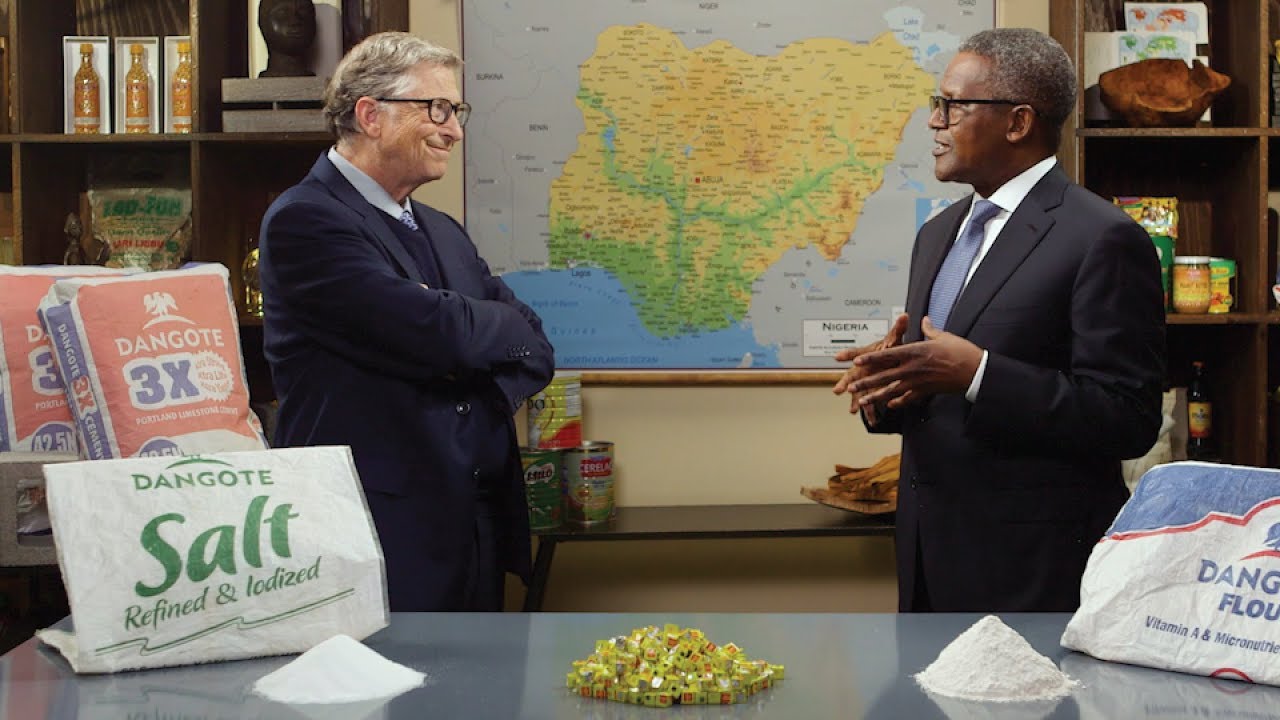
Bill Gates, drawn to the region by the opportunities and difficulties he witnessed during his business career, primarily focuses the Gates Foundation’s efforts on helping children achieve their potential. The Foundation, established in 2000, targets diseases like malaria, malnutrition, diarrhea, and pneumonia, which were killing children and impeding their mental or physical development, yet received almost no funding. The goal is to improve health and education in countries caught in a poverty trap, enabling them to become self-sufficient, mirroring transitions seen in Asian nations such as India, Indonesia, and Vietnam. The majority of the Foundation’s work is in Africa, where they fund tool creation and delivery, noting that many African countries, including Malawi, Zimbabwe, and Tanzania, achieve higher vaccination rates than the United States. Gates announced a greatly expanded partnership with Qatar Fund for Development (QFFD) and committed 98% of his wealth to society, focusing on global health and education over the next 20 years. He noted that aid cuts from traditional donors are a "huge head" contributing to 2024 being the first year that more children died than the year before, which he considers "greatly unjust".
Aliko Dangote emphasizes that Africans must initiate their own transformation, focusing on infrastructure, governance, and empowering the young population. The Dangote Group is launching a $700 million fund to support the education of secondary school and university students, aiming to reach 155,000 people over 10 years. Partnerships, such as the one with the Gates Foundation, have been vital in eradicating polio from Nigeria. Recognizing that agriculture is no longer just for poor people, the Group is building rice mills, empowering millions of farmers by providing implements and fertilizers, and guaranteeing the purchase of paddy rice at the end of the season. Furthermore, they are driving the processing of Africa’s abundant mineral resources on the continent before export, having invested $25 billion toward this goal, asserting that Africans must lead this effort for others to join. Dangote urges governments to encourage private sector investment in the creative industry through tax incentives.
Artificial Intelligence (AI) emerged as a transformative opportunity. Gates views AI as a tool that can empower anyone with a cell phone to access a free, 24-hour virtual doctor, tutor, or agricultural advisor, utilizing the digital connectivity currently being built in Africa without requiring new infrastructure. This application of AI can help farmers overcome challenges like high population growth, degraded soils, and climate change, ultimately positioning Africa to become a significant net food exporter. Her Excellency Sheikha Al Mayassa detailed how the cultural sector is leveraging AI to promote the Arabic language, focusing on translation, teaching calligraphy, and creating original apps and games that do not feel "dubbed or secondhand or imported". Gates believes that since Africa has a young population, its people will have a "disproportionate number of the people who have kind of new ideas" for how to shape and utilize AI, ensuring the Global South is not just a consumer.
When asked for a single joint initiative to unlock the Global South’s potential, Dangote emphasized a collaborative focus on health and education to achieve prosperity. Her Excellency Sheikha Al Mayassa stressed linking talent to industry across every government, CEO, and wealthy individual in the Global South. Gates proposed prioritizing AI to ensure there is no delay between when it empowers the North and when it is available to young people in the Global South, particularly for creative use, tutoring, farming, or basic health advice. Despite headwinds and injustices, Gates maintained his optimism that collaborative efforts can achieve goals like eradicating malaria and making countries self-sufficient within the next two decades. The conversation, as captured by DRM News, ended with the sentiment that the goal is to make "real change in people's lives bringing them justice and dignity".