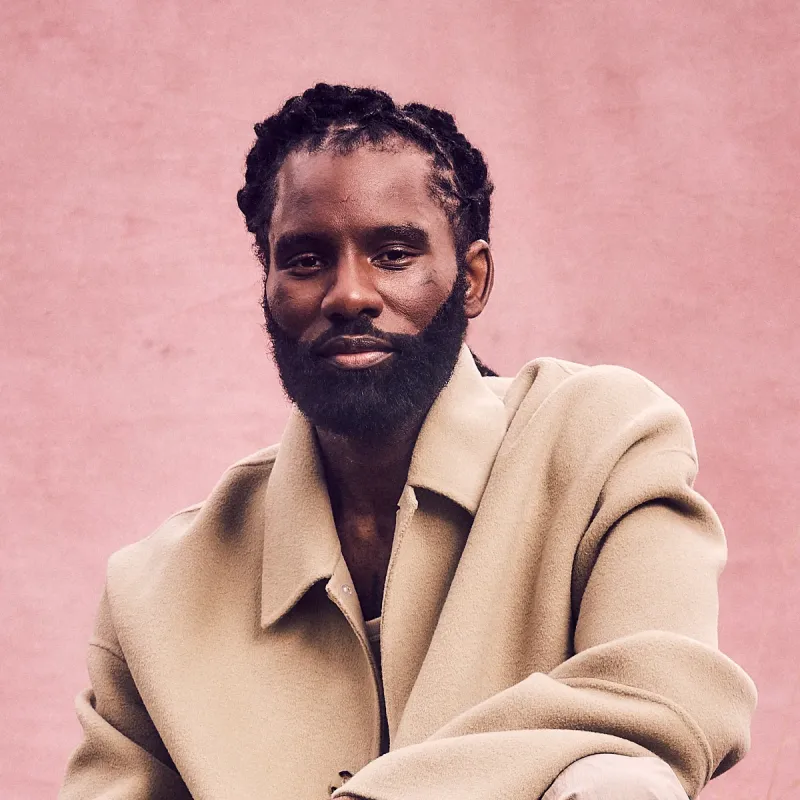
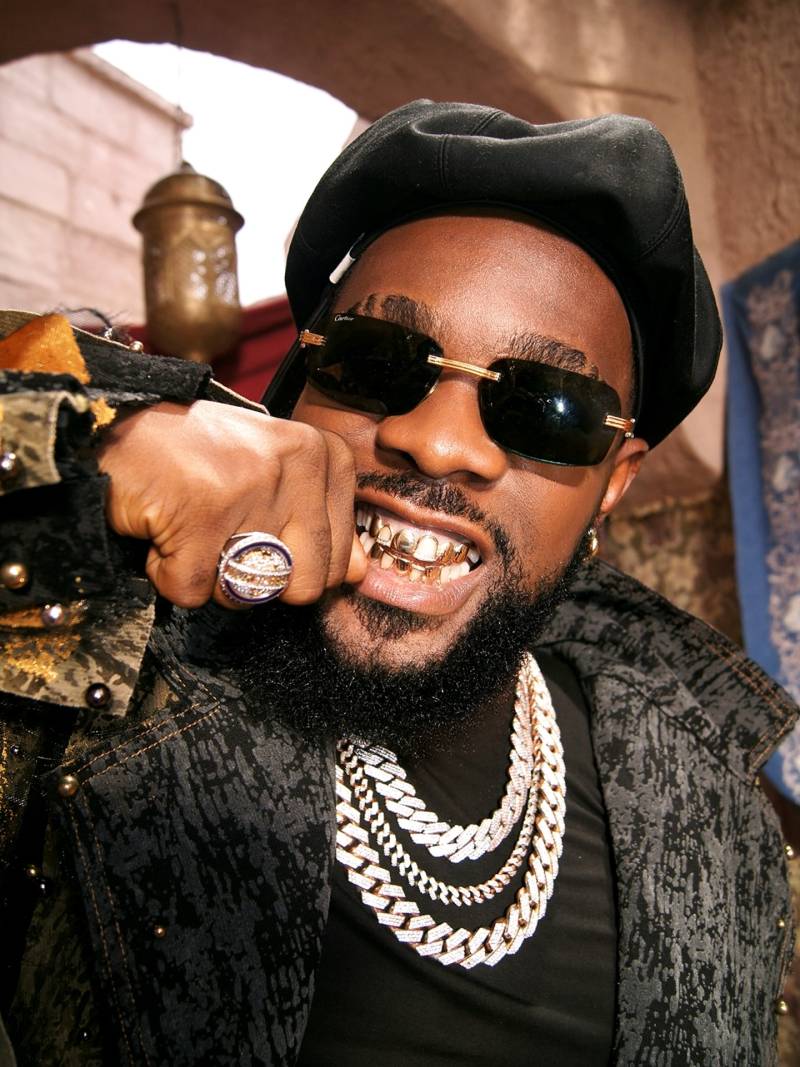
Gathered on The Shop for an unscripted conversation, Big Sean, Kofi Siriboe, and Sebastian Maniscalco offered candid insights into the pressures and strategies required to maintain identity, relevance, and mental health while navigating intense professional success. The artists discussed everything from managing fan expectations and the toll of being on the road to the importance of emotional intelligence and playing the "long game" in their respective industries.
For Big Sean, the performance is a constant commitment, regardless of the size of the audience. He shared an early career anecdote where, after playing a huge show in Utah, he was scheduled for a venue in Arkansas with what felt like only six people (or 30 to 40 people) in the crowd. When offered the chance to skip the small show, he refused, stating, "If it's like one person out there, I'm going to go out there and do like it's a million". He views every crowd as an opportunity, knowing that even those who thought he was "decent" could walk away surprised, recognizing that he "actually delivered". Big Sean emphasized that you "never know who in the crowd" is watching; that single person could lead to the next deal or endorsement. He has been hired for campaigns simply based on how he treated a person who was in a position to choose the star of the campaign. The rapper, who admitted he doesn't wear his elaborate stacks of necklaces regularly, confirmed that there is an "art to the stack" but that sometimes the stack is specific for the show, such as the one he wore for The Shop.

Related article - Uphorial Shopify
![Kofi Siriboe Wants To Get More Black Folks Talking About Mental Health | [site:name] | Essence](https://www.essence.com/wp-content/uploads/2017/09/image/2017/09/main/kofi-siriobe-000022932.jpg)
The Shop - Big Sean, Kofi Siriboe

Sebastian Maniscalco, drawing comedy material heavily from his life experiences, including his Sicilian heritage, detailed the evolution of his relationship with the crowd. Early in his stand-up career, he would "plow through" a set without acknowledging the audience, even if someone "lit themself on fire". However, he learned that "the magic is in that moment" when unscripted, spontaneous interaction occurs, noting that these unrehearsed moments often yield "the funniest moments in the show". He now consciously picks out someone "well-dressed and a slob" to compare in every show. The comedian admitted to having intense anxiety about selling tickets, constantly checking "blue dots" on Ticketmaster. He attributes this fear to the current economic climate, where the "casual buyer" has vanished and people are "hurting right now," making it the most important time to cater to a tuned-in audience. Sebastian Maniscalco shared the deeply personal struggle of balancing his professional life, which often requires being on the road, with the "guilt" of being away from his family. He confessed, "I always think I'm going broke," regardless of his financial status. His current routine involves drawing material from his life as he gets older, including jokes about health and preparing for physical ailments like a colonoscopy.
Kofi Siriboe, who is a first-generation Ghanaian American, offered a distinct perspective on fame, noting that his creative process is "in private" and "not a live event". He found the massive, instant reactions from fans at events like Essence Fest "unexpected" because actors don't receive the instant rewards a musician or comedian gets for their work, which is done in a controlled environment. Siriboe credited his "untraditional" mother for supporting his pursuit of acting despite his father’s insistence on typical immigrant aspirations like Harvard or traditional professions. He initially was the "shy brother" in a family of actors, finding his passion more in directing, photography, and storytelling, expressing, "I'm most interested in what I see rather than being seen". Kofi Siriboe stressed the importance of emotional intelligence, acknowledging that success comes with intense personal reckoning. He recounted reaching financial success at 21, where he could finally "afford to break down" because he had the time and space to confront himself. He advises young creatives that while career success is paramount early on, they must recognize that there are multiple "number one" priorities—including faith, self, and health—that require constant balance.
The co-hosts of The Shop emphasize that the goal of creating spaces like this is to take critical conversations—which they found more informative than formal education—and make them accessible to a broader audience, such as a 16-year-old. Kofi Siriboe concluded the discussion by highlighting the importance of investing in the "through line" of who you are—your character, relationships, family, and memories—rather than what you are in the moment. He believes true fulfillment comes from investing in that connection between one's seven-year-old self and one's seventy-year-old self.