The atmosphere within the stadium was heavy with the suffocating scent of impending elimination. For the better part of ninety minutes, Belgium, a side accustomed to the refined expectations of a European footballing power, had been systematically dismantled by a vibrant, relentless Senegal team. Trailing by two goals as the clock bled into the final stages of regulation, the Belgian squad appeared to be spiraling toward a historic collapse, their composure fraying under the relentless pressure of a Senegalese side that played with the unburdened joy and tactical ferocity of a team destined for an upset. Yet, football is a sport that thrives on the improbable, and as the tension reached a fever pitch, the narrative arc of the afternoon began to bend in ways few could have anticipated.
The match had been defined by a stark contrast in temperament. Senegal, fueled by the fervent support of their traveling contingent, operated with a rhythmic intensity, their counter-attacks cutting through the Belgian mid-field like a hot blade through wax. For the Belgians, the reality of trailing by two goals necessitated a shift from organized structure to desperate, all-out warfare. It was in the dying embers of the second half that the transformation began—a series of tactical adjustments, the introduction of fresh legs, and an infusion of raw, defiant energy that allowed Belgium to claw their way back from the brink, finding two late goals to force the contest into the grueling uncertainty of extra time.
Extra time is a brutal environment, a space where the physical degradation of the human body collides with the extreme psychological taxation of the knockout phase. The stadium became a crucible of nerves, with both sides visibly fatigued, their movements characterized by the heaviness of limbs that had been pushed to their absolute limits. Every misplaced pass, every stray touch, felt magnified, a potential precursor to disaster. The tactical chess match had effectively dissolved, replaced by a raw, attritional struggle in which survival was the only currency that mattered. For Belgium, the goal was no longer to play beautiful football, but to find a singular, decisive opening that would spare them the ignominy of a premature exit.
Related article - Uphorial Shopify

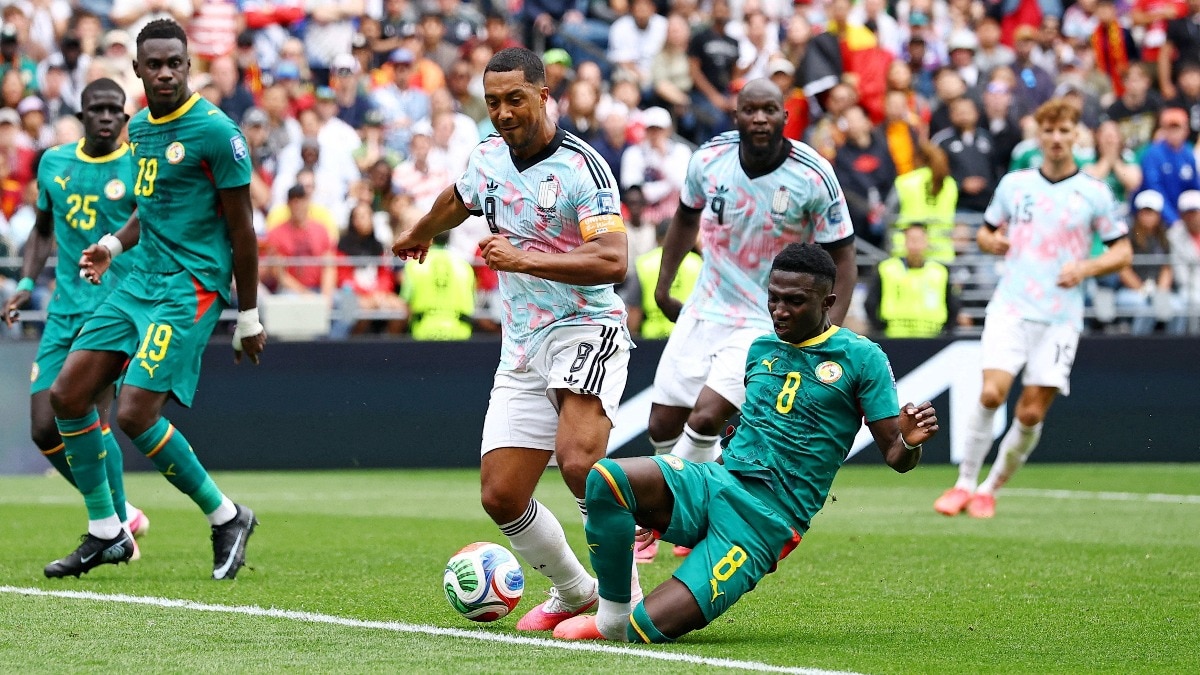
That opening arrived in the second period of extra time, in a moment of agonizing clarity. As Belgium pushed a final, surging attack into the heart of the Senegalese penalty area, a defender, perhaps blinded by fatigue or trapped by the claustrophobic proximity of the Belgian forwards, committed a critical error. The foul, sharp and unmistakable, triggered an immediate whistle from the referee—a decision that froze the stadium in a collective moment of breathless anticipation. As the ball was placed on the penalty spot, the weight of the entire nation of Belgium seemed to rest on the shoulders of the player standing over it. It was a moment stripped of all context, a singular point of focus where years of training and emotional investment distilled into a ten-yard dash.The strike was clinical—a low, emphatic drive that found the bottom corner, bypassing the desperate lunge of the Senegalese goalkeeper. The roar that erupted from the Belgian end was visceral, a sound born of relief, shock, and the adrenaline-fueled realization that the impossible had been achieved. In an instant, the emotional polarity of the match had inverted; the momentum that had powered Senegal for the duration of the afternoon had vanished, replaced by the frantic, uphill task of finding a last-minute response.
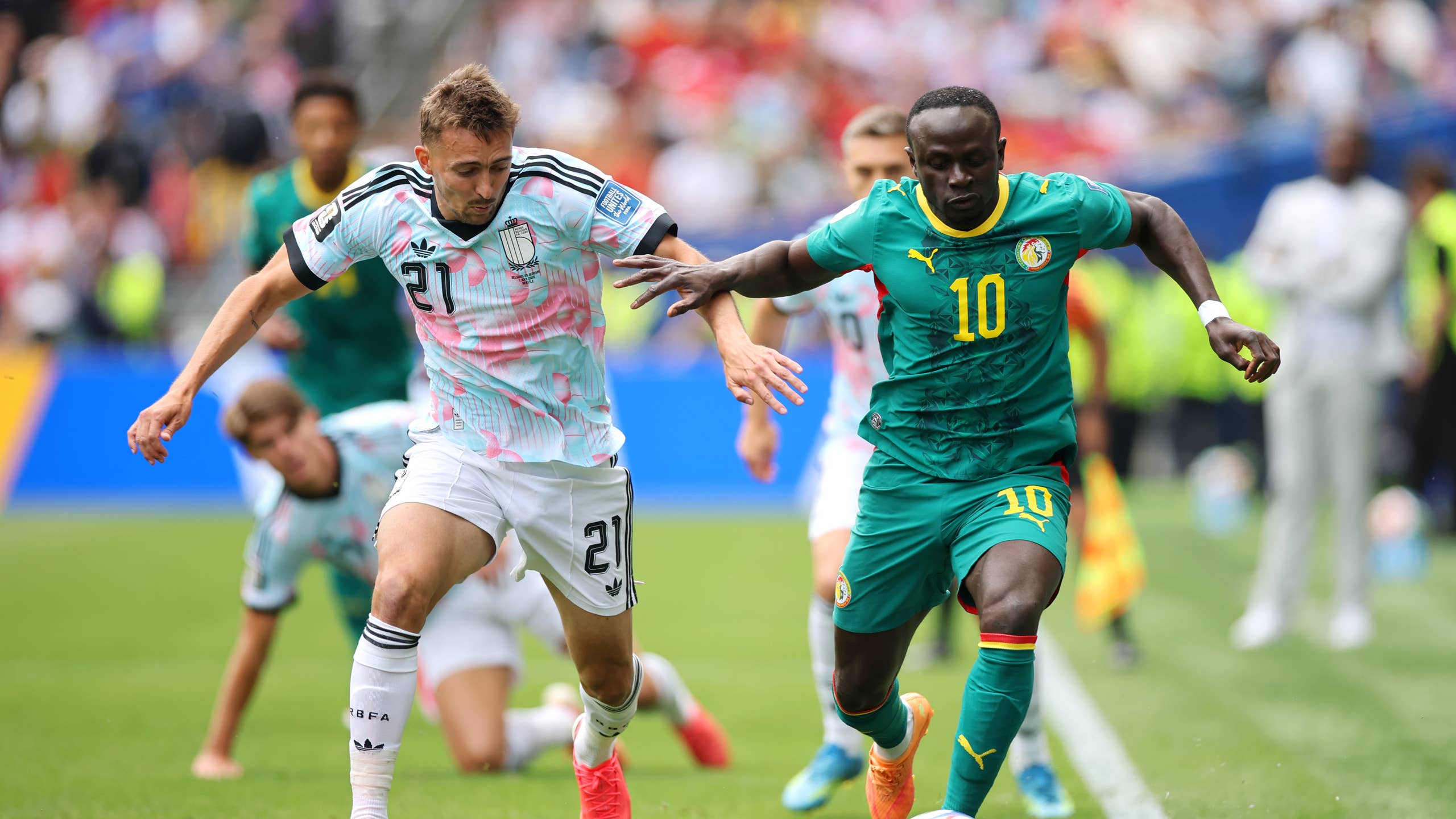
The final minutes were a frantic display of defensive wall-building from the Belgians. Every long ball launched into their box was met with a desperate clearance, every second bled off the clock feeling like an eternity. Senegal threw everything into the mix, their players surging forward with the reckless abandonment of those who know they have nothing left to lose, but the Belgian defensive line held firm, buoyed by the newfound confidence of their lead. When the final whistle eventually pierced the humid air, it served as the definitive punctuation mark on a comeback that will be remembered as one of the most compelling chapters of the tournament.
Belgium’s advancement to the round of 16 was not a result of sustained brilliance, but of character—the ability to look into the abyss of defeat and find the resolve to step back from the edge. For Senegal, the loss was a heart-wrenching end to a campaign that had promised so much, but they exited the pitch with the dignity of a team that had played its heart out on the grandest stage. As the Belgian players embraced in the center of the pitch, the narrative was clear: in the knockout stages of a World Cup, nothing is settled until the final second. They had survived the ultimate test of their nerves, securing their place in the next round through a blend of late-game tactical persistence and the clinical execution of a single, defining moment. As they look toward the challenges of the round of 16, they carry with them the lessons of a day where everything nearly came undone, a sobering, transformative experience that could well be the catalyst for a deeper, more profound run in the tournament.