DALLAS - The suffocating humidity of a Texas summer evening in Dallas served as the backdrop for a match that will be remembered not for the tactical masterclass often associated with the world’s grandest stage, but for the raw, unvarnished drama of a knockout clash that refused to be decided in regulation time. On Friday, July 3, 2026, the FIFA World Cup Round of 32 delivered a spectacle at Dallas Stadium where history, nerves, and national pride collided, culminating in Egypt’s first-ever knockout victory in their tournament history, a 4-2 triumph over Australia on penalties after an exhausting 1-1 draw.
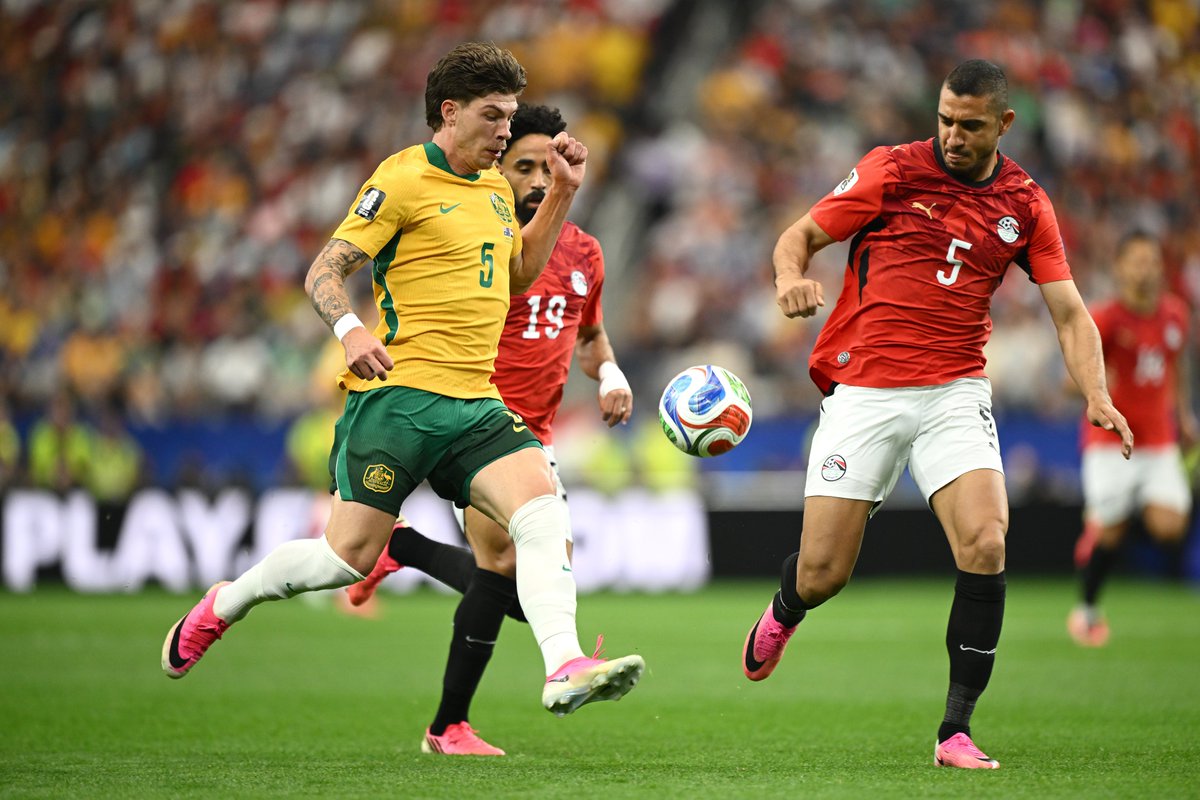
The narrative began with Australia, the youthful "Socceroos," aiming to build on a campaign that had already surprised many. Within five minutes, the woodwork rattled in warning as Cristian Volpato’s long-range strike kissed the crossbar, signaling an intent to dictate the tempo. Yet, football has a cruel way of punishing missed opportunities. In the 13th minute, Egypt struck with the surgical precision that has defined their tactical evolution under manager Hossam Hassan. Karim Hafez whipped a teasing cross into the heart of the Australian box, and Emam Ashour, rising above his marker, guided a stooped header into the corner of the net. It was the midfielder’s second goal of the tournament—a rare tally for a player previously known more for his grit than his finishing—and it forced the Australians into a grueling pursuit of an equalizer.
Related article - Uphorial Shopify
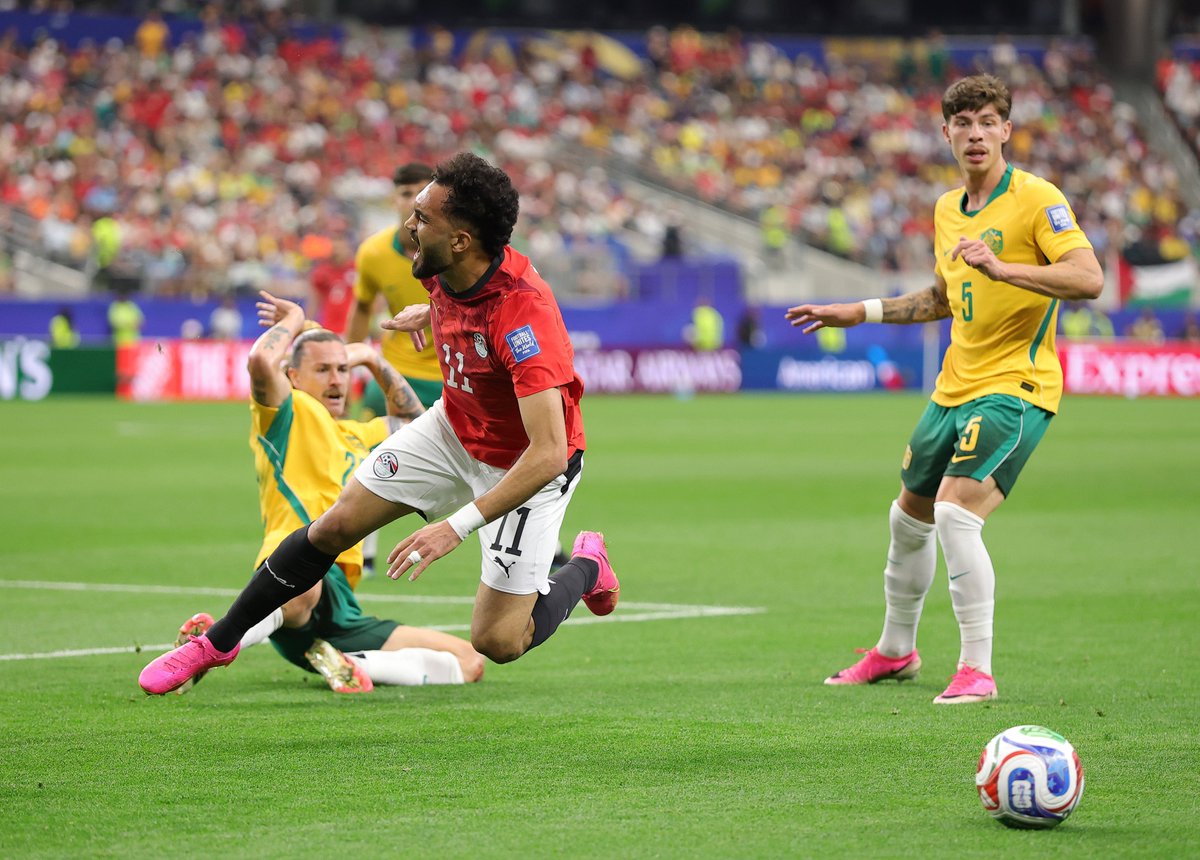
For the remainder of the first half, the Egyptians hunkered down, their defensive structure resembling a fortress designed to neutralize Australia’s pace. The Socceroos were energetic, but their final ball often lacked the requisite sharpness to bypass the disciplined Egyptian backline. The turning point, however, arrived in the 55th minute, born not from a stroke of brilliance but from the brutal misfortune of the game. Under pressure from an Aiden O’Neill free-kick, Egyptian defender Mohamed Hany inadvertently redirected the ball into his own net. The Dallas Stadium, packed with a partisan crowd, erupted. The deadlock was broken, the momentum shifted, and for the next hour, both sides traded blows in a tense stalemate that saw neither team capable of landing the final knockout punch.As the shadows lengthened and the legs of the players began to grow heavy, the match descended into a test of character. Australia’s goalkeeper Patrick Beach provided a moment of sheer brilliance in stoppage time, producing a reflexive, one-handed save to deny a thunderous Rami Rabia header that seemed destined for the bottom corner. In extra time, the narrative remained the same: Egypt pressed, led by the talismanic Mohamed Salah, while Australia absorbed the pressure with a dogged resilience that has become their hallmark. With the clock winding down, Australia’s coach Tony Popovic made a bold gamble, substituting veteran Mathew Ryan into the goal—a clear statement that they were banking on the lottery of the penalty shootout.
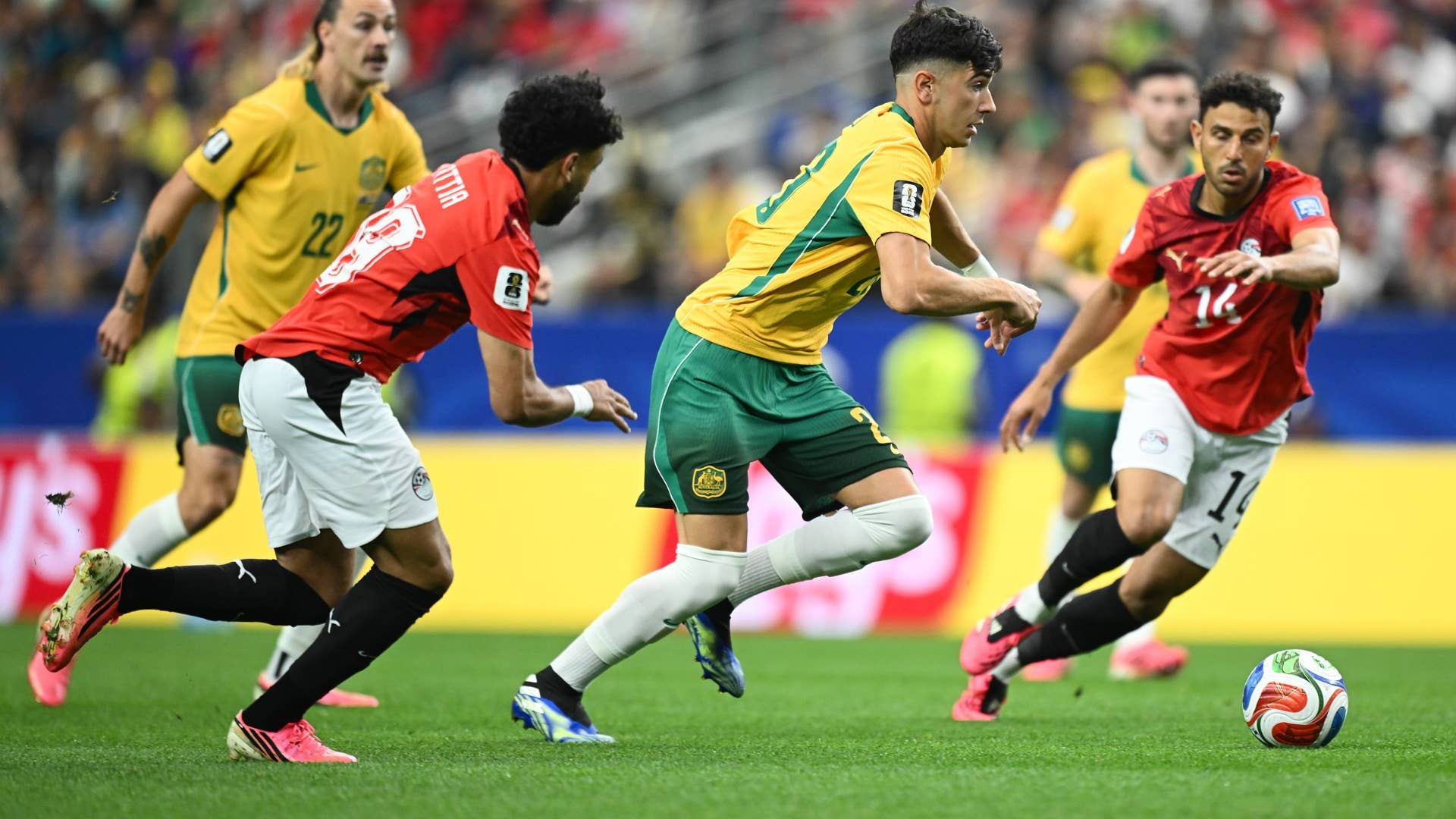
The shootout itself was a study in contrasts. For Egypt, it was a moment of long-awaited transcendence. Mohamed Salah, unburdened by the weight of the previous 120 minutes, stepped up and coolly dispatched a "Panenka" that silenced any lingering doubts about his composure. In contrast, the young Australian side faced the crushing weight of history; with Harry Souttar—a defensive titan who had stood tall throughout the night—blasting his opening spot-kick over the bar, the advantage swung decisively in favor of the Pharaohs.
When 18-year-old Lucas Herrington missed Australia’s fourth kick, the path was cleared for Hossam Abdelmaguid to write his name into the annals of Egyptian football. With a calm that belied his age, he buried the decisive penalty, securing a 4-2 shootout win and propelling Egypt into the Round of 16. For the Australians, it was a heartbreaking exit, a bitter end to a campaign that had showcased the emergence of a new, promising generation. For Egypt, it was an ascent to the elite. They marched off the field in Dallas with the knowledge that they had shattered a glass ceiling, setting up a tantalizing quarter-final collision course in Atlanta against defending champions Argentina. The tournament rolls on, but for the people of Egypt, this night in Texas will long be remembered as the moment they finally arrived on the world stage.