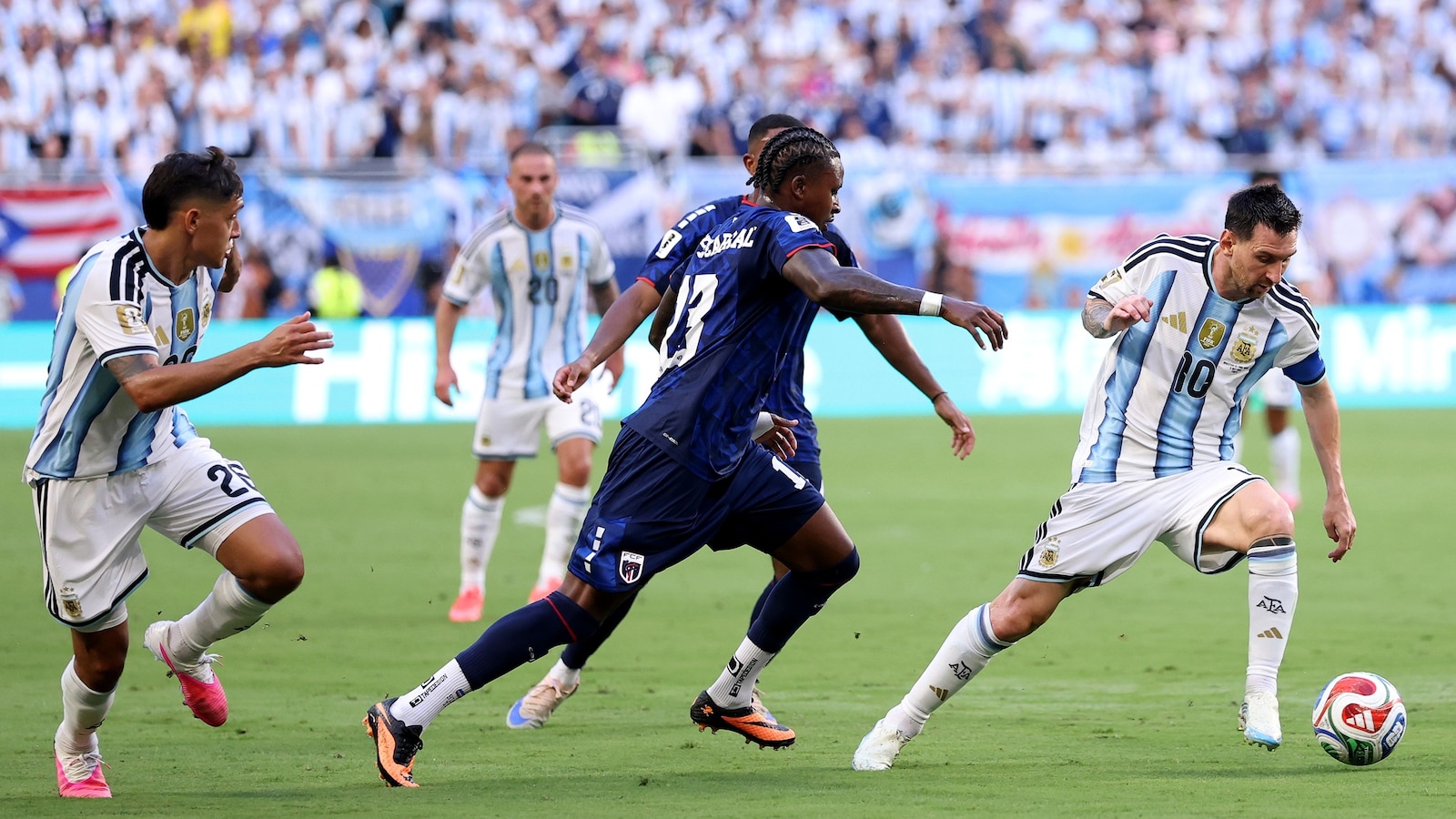
MIAMI - The Miami Stadium was transformed into a cauldron of expectation on the evening of July 3, 2026, as the world’s gaze turned toward a Round of 32 clash that would transcend the typical boundaries of a football match. Argentina, the defending champions laden with the weight of history and the hopes of a nation, faced off against Cabo Verde, a nation of just half a million people appearing in their first-ever World Cup knockout stage. What followed over the next two hours was not merely a contest of tactical maneuvers, but a profound narrative of human resilience, poetic injustice, and the relentless beauty of the sport.The match began in familiar fashion for the Albiceleste. Lionel Messi, ever the master of time and space, orchestrated the opening movement with the grace that has defined his illustrious career. In the 29th minute, a sublime first touch followed by a clinical, measured finish ignited the crowd, propelling Argentina into a lead that most pundits assumed would be the prelude to a routine progression. Messi’s goal—his 20th in World Cup history—was a milestone of individual brilliance, yet it served only to sharpen the resolve of the underdogs.
Related article - Uphorial Shopify
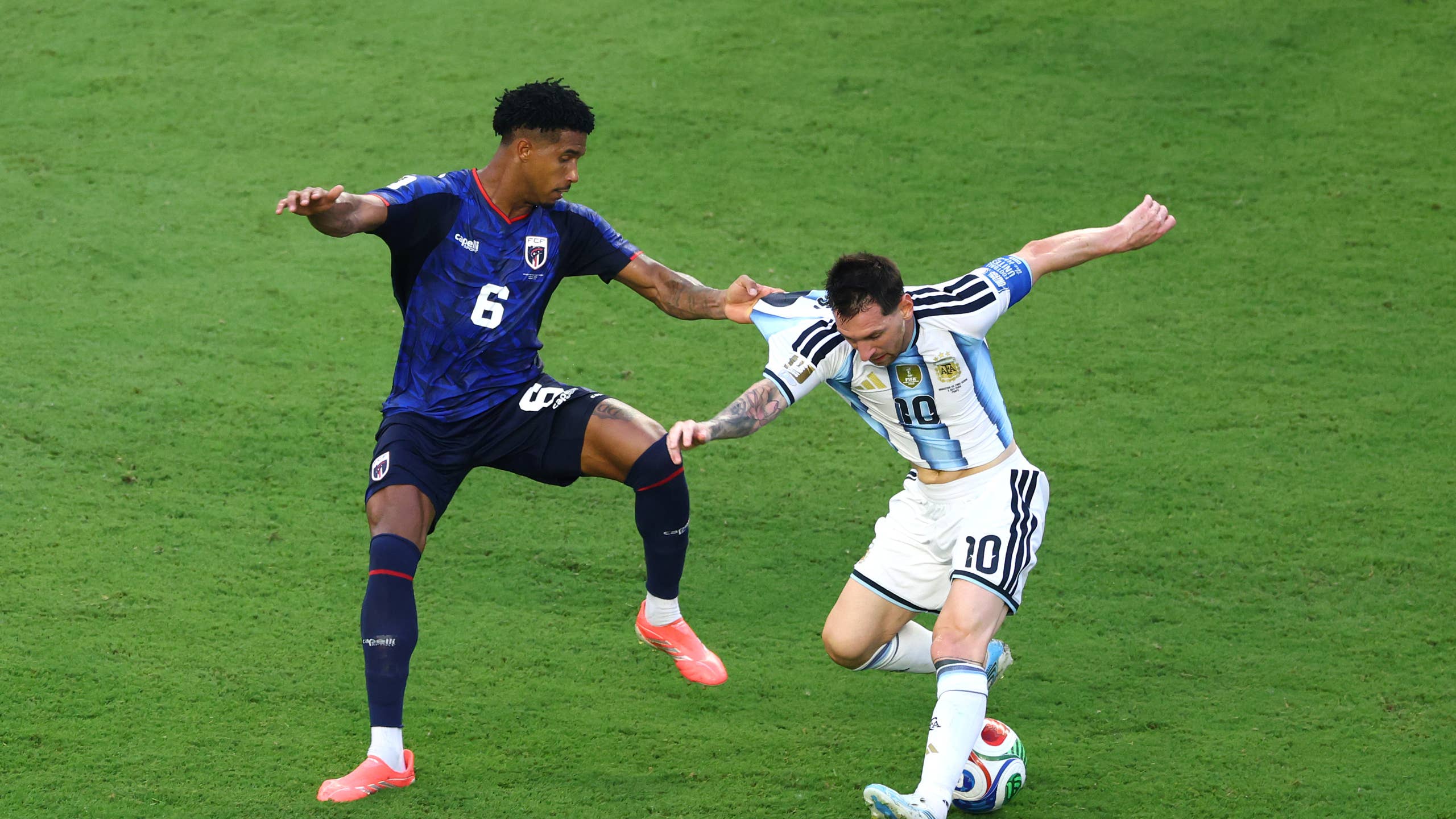
Cabo Verde, the tournament’s smallest nation, did not recoil. Instead, they played with an unburdened fluidity that stunned the Argentine defensive structure. Just before the hour mark, Deroy Duarte silenced the jubilant Argentine supporters, squeezing a difficult, angled strike into the bottom corner. The equalizer was a jolt of electricity, shifting the momentum in a way that defied the gargantuan disparity in footballing pedigree. The match became a battle of wills, with Cape Verdean goalkeeper Vozinha cementing his status as a tournament hero, frustrating Argentina with a series of spectacular saves that kept his side’s dreams alive as the match bled into the exhausting, high-stakes domain of extra time.The drama of the extra period was breathless. Lisandro Martínez, rising to the occasion with a sense of urgency, restored Argentina’s lead just two minutes into the first period of extra time with a thunderous effort. Once again, it seemed the story had reached its conclusion. But destiny, it seemed, had other plans. In the 103rd minute, Sidny Lopes Cabral produced what many immediately labeled the goal of the tournament—a scorching long-range strike that arched perfectly into the far corner, leveling the score once more and sending the Miami Stadium into a state of collective delirium.

It was a cruel twist of fate that decided the contest in the 111th minute. A corner kick from Messi, delivered with characteristic precision, found the head of Cristian Romero. The ball flicked off the arm of Cabo Verde’s Diney Borges, resulting in an own goal that ultimately broke the hearts of the valiant Blue Sharks. Despite the agony of the final whistle, the atmosphere in the stands remained one of profound, cross-cultural respect. As the supporters left the stadium, the sight of Argentine and Cape Verdean fans embracing—amidst tears and shared awe—spoke volumes.
Argentina moved on to the Round of 16, their title defense still intact but their aura of invincibility rattled. Cabo Verde, meanwhile, departed the tournament with their reputation irrevocably transformed. They had come as debutants and left as icons, having proven that in the arena of the World Cup, the heart of an underdog can occasionally beat in perfect rhythm with the giants of the game. It was a match that reminded the world that while results are etched in the record books, the true legacy of the sport lies in the courage displayed when the odds are at their longest.