ANTARTICA - The continent of Antarctica has long been perceived by the human imagination as a desolate, featureless expanse—a frozen desert of blinding white that stands at the edge of the world, indifferent and empty. Yet, as recent explorations led by the scientific community have begun to uncover, this perception is a profound miscalculation. Beneath the vast, multi-kilometer-thick ice sheet that blankets the continent lies a hidden world of staggering complexity, a subterranean landscape that functions as a time capsule of Earth’s ancient history and a frontier for the next great biological discovery. Through the lens of advanced mapping technologies, Antarctica is being revealed not as a static wasteland, but as a dynamic system of hidden mountains, deep trenches, and liquid reservoirs that challenge our fundamental understanding of life and climate.
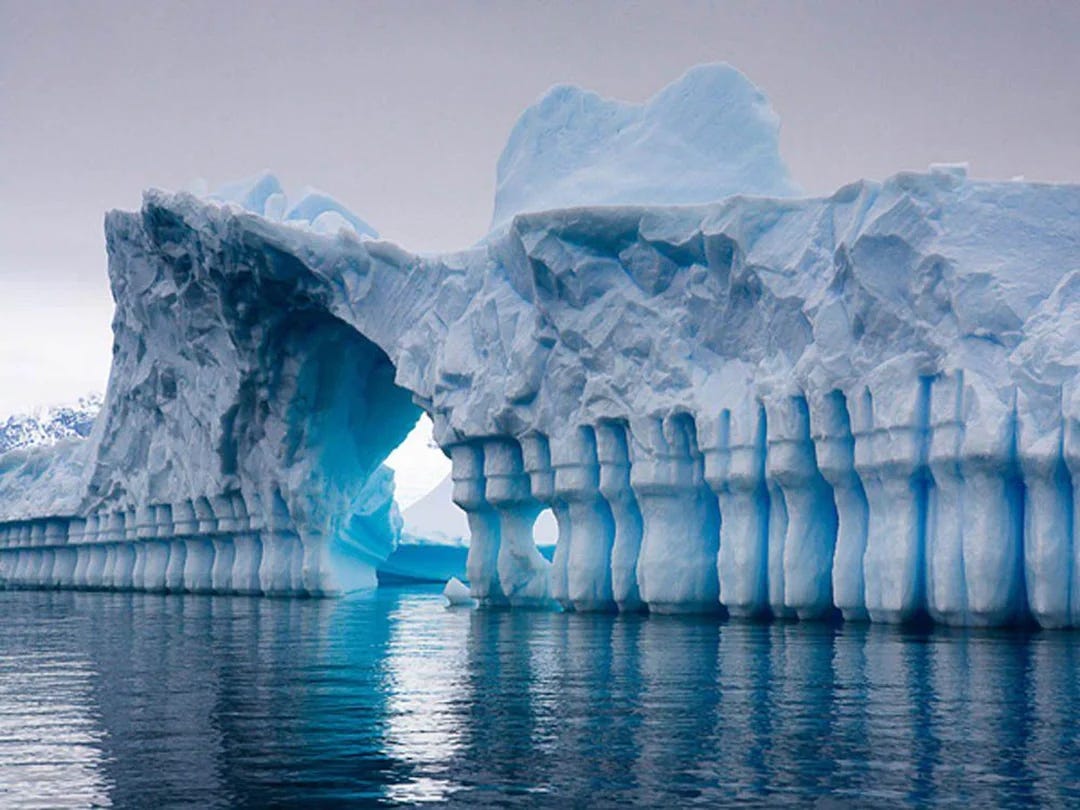
The majesty of Antarctica is perhaps best understood through the verticality of its ice. In some regions, the ice sheets rise to altitudes comparable to the world’s most imposing mountain ranges, a literal continent of frozen water that has accumulated over hundreds of thousands of years. Scientists treat these towering structures as the ultimate scientific archive. By extracting core samples—long, cylindrical pillars of ice drilled from deep beneath the surface—researchers can peel back the layers of time. Within these cores lie microscopic atmospheric bubbles and trace elements of volcanic ash, providing a precise, year-by-year chronicle of Earth’s changing climate. These "time capsules" allow us to read the history of the planet’s temperature, greenhouse gas fluctuations, and geological eruptions with a degree of accuracy that was unthinkable just a few decades ago, essentially turning the ice into a library of human and planetary antiquity.
Related article - Uphorial Shopify
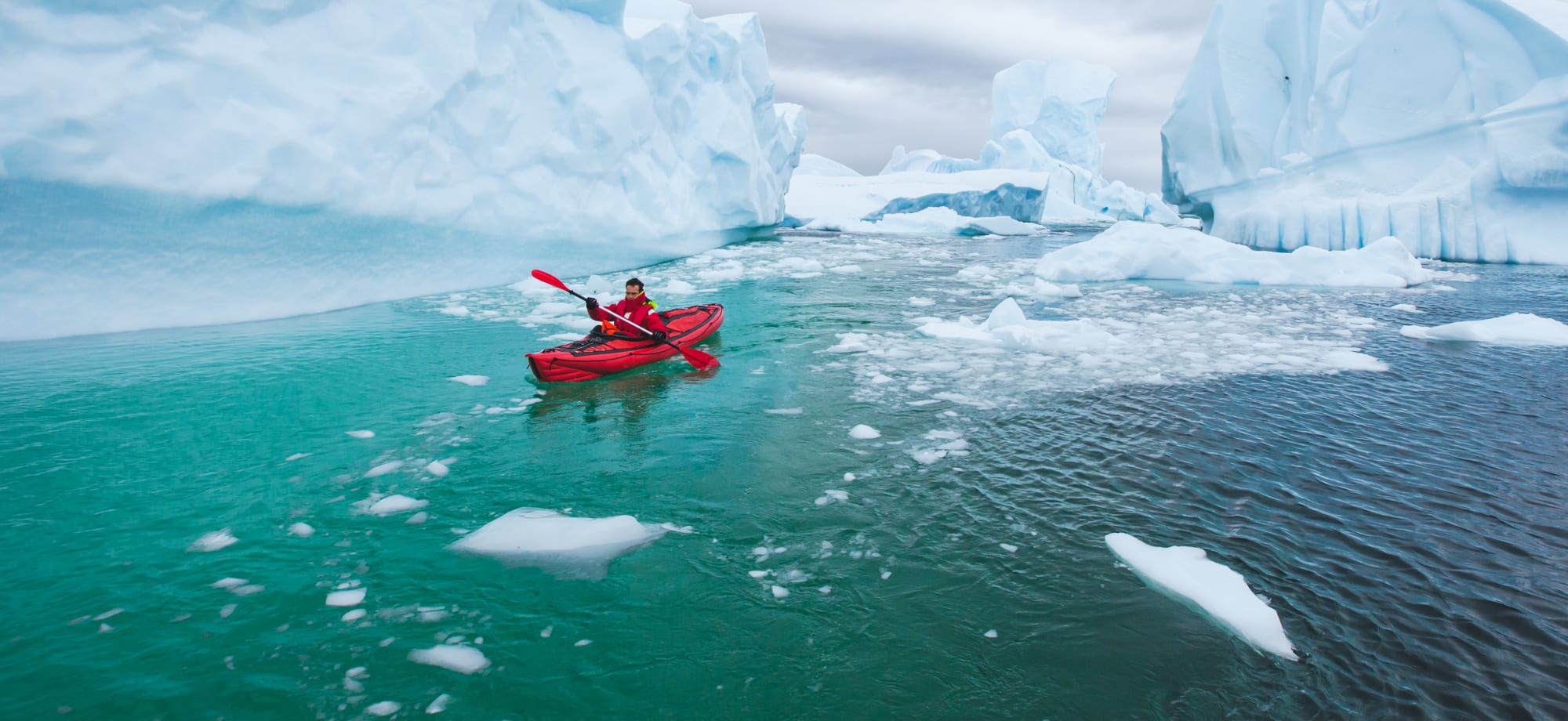
However, it is the mapping of the topography beneath this weight that has provided the most transformative insights. By utilizing satellite-based lasers, radar mounted on specialized aircraft, and the analysis of seismic waves, geologists have successfully peeled back the veneer of ice to reveal the ancient, buried face of the continent. They have discovered a subterranean geography defined by jagged mountain ranges that rival the Alps in scale and deep, sprawling canyons that were carved by water and wind eons before the continent was silenced by the deep freeze. This mapping effort has also unveiled expansive volcanic regions, some of which remain geologically active, hidden far from the eyes of the world, quietly shaping the stability of the ice sheets above through geothermal heat.Even more startling than the buried mountains is the discovery of an expansive, interconnected plumbing system that flows beneath the continent’s surface. Contrary to the assumption that Antarctica is frozen solid to its bedrock, research has mapped a vast network of subglacial lakes and river systems that remain liquid, kept at temperatures above freezing by the immense pressure of the overlying ice and the insulating properties of the sheet itself. The most prominent of these, Lake Vostok, is a body of water comparable in size to Lake Ontario, sequestered in darkness for millions of years. This vast, hidden hydrology is not merely a geographic curiosity; it is a critical component of the continent's stability, dictating how the ice moves, melts, and eventually contributes to global sea-level rise.
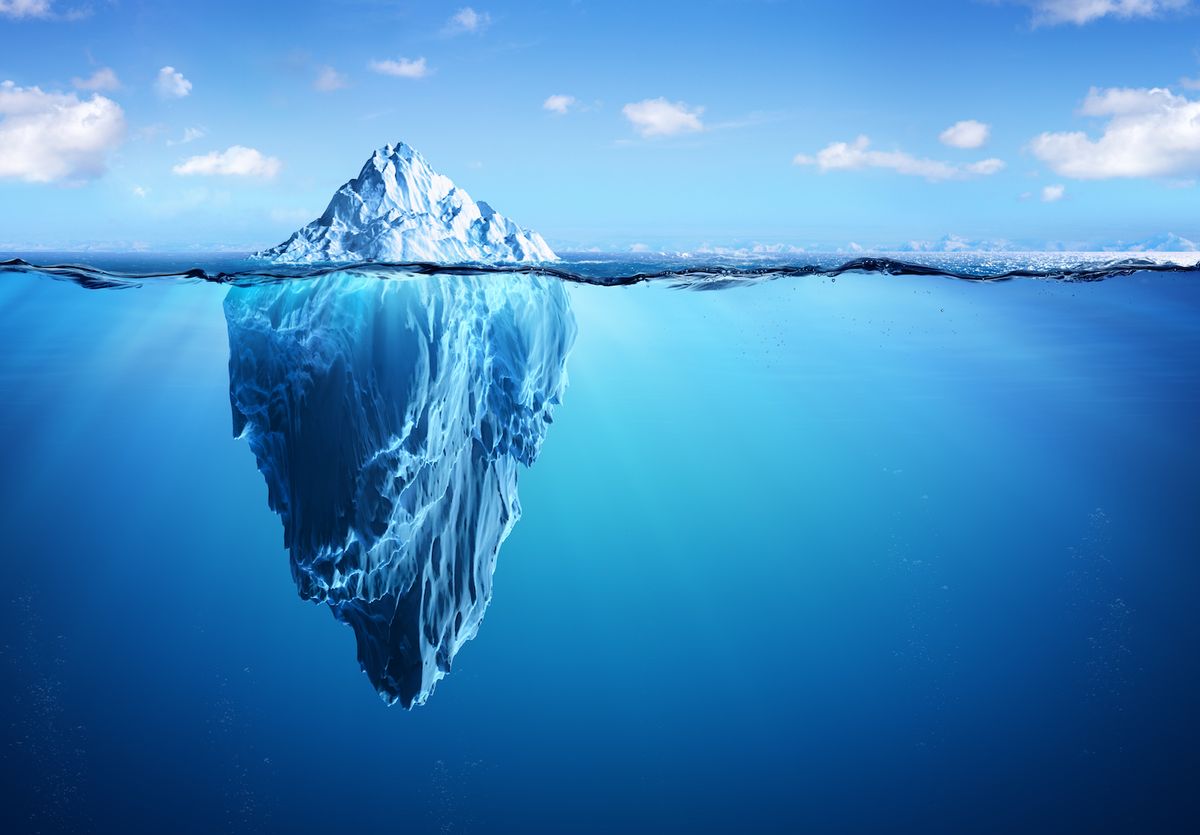
The search for life within these isolated, liquid environments has become the most compelling narrative in modern polar science. Because these subglacial lakes have been disconnected from the atmosphere and sunlight for eons, they represent a unique biological experiment. By drilling through the ice to reach these dark, pressurized depths, scientists have discovered thriving ecosystems of microbial life and novel viruses that exist in total isolation. These organisms possess the ability to survive in environments that were previously thought to be sterile, subsisting on minerals and geothermal energy rather than the photosynthetic processes that power life on the surface.
The discovery of this "dark" life has profound implications far beyond the polar circle. Scientists believe that the icy moons of our solar system—most notably Jupiter’s moon Europa and Saturn’s Enceladus—harbor similar sub-ice liquid oceans. By studying how life persists in the pressurized, sunless depths of Lake Vostok or the hidden wetlands of the Antarctic bedrock, researchers are building a blueprint for what life might look like elsewhere in the galaxy. Antarctica, therefore, has become the primary laboratory for astrobiology, a terrestrial analogue for the potentially habitable worlds orbiting distant gas giants.Ultimately, the Antarctic story is one of perspective. What was once dismissed as a stagnant desert is now understood as a vibrant, shifting, and deeply ancient environment that is intimately tied to the survival of the biosphere. The continent is no longer just a place to explore; it is a critical piece of the planetary puzzle, holding the secrets of our past in its ice and the potential for extraterrestrial life in its hidden waters. As we continue to refine the tools used to map its subglacial veins, the image of Antarctica will continue to change, moving from a remote backdrop to the very heart of scientific discovery. The frozen desert is anything but empty; it is a testament to the resilience of life and the hidden depths of a world that is still, in many ways, waiting to be revealed.