EGYPT - The bridges the gap between static artifacts and the sensory reality of the past, acclaimed author Sam Kean has unveiled the transformative power of experimental archaeology. Moving beyond the traditional "look" of history, Kean asserts that modern recreations are now allowing researchers to experience what ancient civilizations sounded, tasted, and even smelled like. This tactile approach to the past is debunking long-held myths about everything from the construction of the Egyptian pyramids to the sophisticated medical prowess of Viking-age warriors.
Related article - Uphorial Shopify

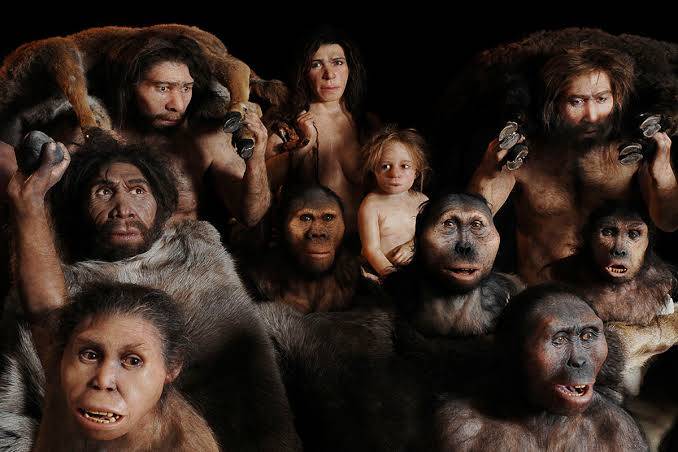
The journey into the sensory past begins 72,000 years ago in Africa, where early humans demonstrated an advanced understanding of their environment. Experimental reconstructions show that these ancestors created comfortable bedding by burning debris to produce soft ash mattresses, which served the dual purpose of cushioning and acting as a natural tick repellent. This era also saw the mastery of obsidian, with Kean highlighting the "incredibly sharp" tools crafted from the volcanic glass. Shifting to Egypt circa 2,000 BC, Kean notes that experimental baking and brewing have redefined our understanding of the ancient diet; the results show that Egyptian bread closely resembled modern sourdough, while their beer had a tart profile similar to a sour kombucha. Furthermore, modern mummification trials have confirmed that the use of natron—a natural salt and baking soda mixture—was the primary catalyst for the "weathered" look of mummies, a transformation that occurs almost instantly rather than over centuries of decay.
Technical ingenuity was also a hallmark of the Roman Empire, as evidenced by the discovery that Roman concrete was "self-healing," a property caused by undigested quicklime reacting with water to seal cracks. In a surprising crossover between fashion and history, a modern hairdresser recently revolutionized the field by proving that the intricate, gravity-defying hairstyles of Roman women were actually sewn into place with needle and thread. Even the famous Roman fish sauce, garum, has been re-evaluated; far from being a simple rot, it was a sophisticated, controlled fermentation process strikingly similar to modern Thai fish sauce. Meanwhile, in the Viking Age (900 AD), experimental studies have validated the efficacy of "trepanation," a form of neurosurgery used to treat head wounds. Perhaps most significantly, a medieval Viking remedy consisting of onion, garlic, wine, and cow bile has been scientifically proven to kill biofilms of modern drug-resistant bacteria.
The second half of Kean’s exploration shifts to the high-stakes shadows of the 20th century, specifically the Allied race to sabotage the Nazi atomic bomb program. Spurred by a chemical explosion in a German lab that triggered fears of a looming nuclear weapon, the Allies accelerated the Manhattan Project and formed the "Alsos mission." This specialized unit was tasked with the espionage and physical sabotage of German nuclear efforts, leading to the destruction of a critical heavy water plant in Norway and the seizure of raw uranium.
The mission was fraught with ethical dilemmas that intensified after the defeat of Germany. While some German scientists later claimed they had "dragged their feet" to prevent Hitler from obtaining the weapon, the existential fear of a Nazi atomic bomb drove Allied scientists to prioritize success at all costs. Kean concludes that whether through the recreation of ancient bread or the clandestine sabotage of 1940s laboratories, the study of "how" things were done remains the most effective lens for understanding the humans who did them.