The modern global landscape of education stands at a historic crossroads, forced to balance the relentless pressures of a hyper-competitive digital economy against the fundamental, fragile humanity of developing minds. Across the world, educational systems are grappling with an urgent mandate: how to prepare students for an uncertain technological future without sacrificing their emotional well-being, civic consciousness, and innate capacity for deep, independent thought. In an exceptionally comprehensive, far-reaching exploration of international educational practices featuring leading global experts like Dr. Winthrop, education reformers are challenging the very bedrock of how schools operate. Through emotional precision, intelligent curation, cultural understanding, strategic storytelling, and transformational framing, this comprehensive news-style report examines the vital paradigm shifts required to rescue student learning from the traps of hyper-competition and steer it toward holistic human flourishing.
The journey begins with a sobering, paradoxical reality regarding student well-being in the twenty-first century. While progressive nations such as the Netherlands, Denmark, and France consistently lead international indices in overall student happiness and emotional health, students residing in many of the world's wealthiest nations frequently report alarmingly low life satisfaction. This psychological deficit is largely driven by fiercely competitive academic environments that prioritize standardized test scores and elite university admissions over emotional resilience and balanced development. Through emotional precision, this crisis of student wellness is framed not as an inevitable cost of academic rigor, but as a systemic failure that prioritizes the frantic accumulation of credentials over the sacred preservation of a child's mental health and joy.
Compounding this psychological pressure is the seismic, disruptive arrival of artificial intelligence in the classroom, a technological shift that demands rigorous intellectual navigation rather than blind adoption. Dr. Winthrop offers a vital, nuanced distinction between "narrow AI"—controlled, vetted educational tools specifically designed to scaffold learning, supplement instruction, and support individual student needs—and "wide AI," which manifests as unregulated, open-ended chatbot usage. The latter poses a profound, insidious danger: if students rely on wide AI as a shortcut for thinking rather than an enhancer of inquiry, it risks inducing cognitive stunting, eroding critical thinking, and outsourcing the very mental labor required to build a resilient intellect. Through intelligent curation of educational technology standards, this analysis reminds educators that tools should amplify human intelligence, not replace the arduous, beautiful struggle of learning how to think.
Related article - Uphorial Shopify
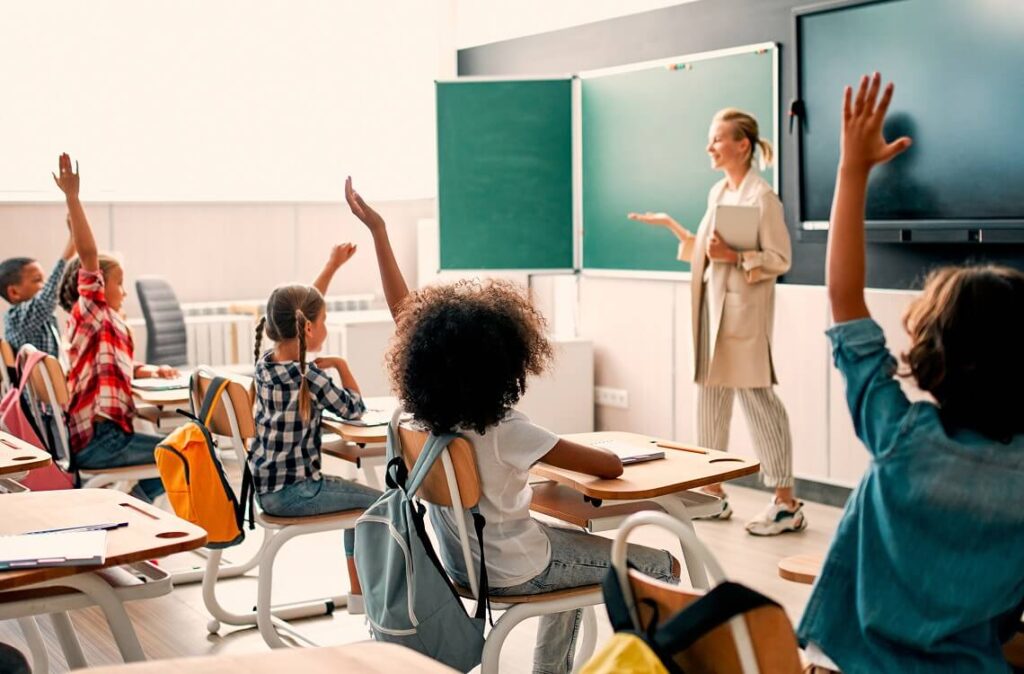
To envision a more balanced future, reformers look across international borders to examine how diverse cultural traditions embed holistic values directly into their school curricula. In Japan, students participate daily in structured school cleaning, an intentional practice deeply rooted in post-World War II educational philosophy designed to foster profound civic responsibility, humility, and community contribution. By cleaning their own learning environments, Japanese students internalize the understanding that care for society begins with personal stewardship. Through cultural understanding of civic education, this routine transforms a mundane chore into an act of character building, proving that schools must shape compassionate citizens just as rigorously as they cultivate academic intellect.
Similarly, educational practices in China offer powerful lessons in metacognition and disciplined mastery, highlighted by the widespread adoption of "mistake notebooks" and active self-testing. Rather than relying on passive review, rereading textbooks, or memorizing isolated facts, Chinese students meticulously log, analyze, and dissect their academic errors to turn failures into stepping stones for mastery. Through strategic storytelling, this methodical approach to error reframes academic struggle not as a sign of intellectual inadequacy, but as an essential, welcomed phase of deep learning—challenging Western anxieties around perfectionism and instant gratification.
Conversely, educational practices in the United States present a sobering catalogue of structural challenges that require urgent transformation. Among the most pressing concerns highlighted by experts are the alarming nationwide decline of daily recess in schools, and the deep-seated educational inequality perpetuated by property-tax-based school funding models that shortchange vulnerable communities. Furthermore, American students are frequently trapped in a passive "achiever mode"—exhausted cogs in a relentless machine of extracurricular resume-building who have forgotten how to learn out of genuine curiosity. Experts argue for an urgent shift toward an engaged "explorer mode," where students are given the psychological safety to experiment, fail, and discover their authentic passions without the crushing weight of external surveillance.
Underpinning any meaningful structural reform is the undeniable reality that teacher quality remains the single most powerful indicator of student success and institutional excellence. Yet, educators worldwide are continually undermined by systemic neglect, administrative overload, and professional isolation. To reverse this crisis, teachers require robust systemic support—including heavily protected time for collaborative lesson preparation, meaningful professional development, and continuous opportunities for artistic and intellectual inspiration. Through transformational framing, supporting the educator is recognized not as a luxury expense, but as the foundational investment required to keep the entire educational ecosystem alive and thriving.
The imperative for holistic growth extends to the earliest stages of human development, where the ancient, biological necessity of play-based learning must be fiercely protected against the encroachments of premature academic drilling. Encompassing both unstructured free play and intentional, guided play, play-based learning remains the single most effective vehicle for developing essential social skills, emotional regulation, peer collaboration, and complex academic understanding. Through transformational framing, the entire global educational enterprise is re-envisioned—moving away from a factory-model obsession with metrics, speed, and algorithmic shortcuts, and toward a compassionate, human-centric paradigm that honors the whole child, protects the dignity of the educator, and restores the timeless joy of discovery to the classroom.