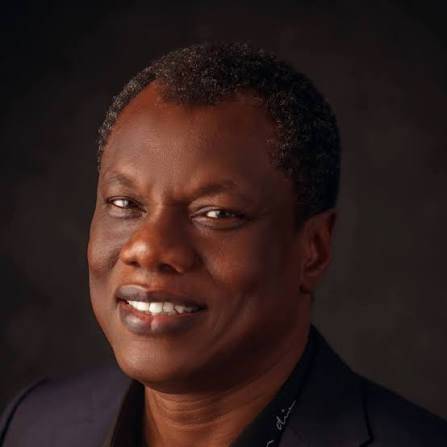
The first thing you notice when Peruzzi speaks isn’t just the cadence, it’s the conviction. He leans back, eyes narrowed, as if pulling memories from a place the rest of us can’t see. “Most of these records I give to people; they couldn’t give them to me if it were them,” he says, and it’s not arrogance. It’s the quiet recognition of a gift honed in sweat, in solitude, in the invisible corners of an industry that too often celebrates only what it can measure.
In this episode of Afrobeats Intelligence with Joey Akan, we meet not just the hitmaker who penned 2Baba’s Amaka, Davido’s Assurance and Risky, or his classics like Majesty, Gunshot, and Southy Love with Fireboy DML. We meet a man who has wrestled with his music, battled industry trends, and faced the unsettling truth that success can steal the very thing it promises to reward: authenticity. Peruzzi’s journey isn’t the neat, label-approved success story. His early days in the DMW camp carried the romance of possibility, an ambitious newcomer with an unmatched pen, finding his voice alongside some of Afrobeats’ biggest names. Then came Huncho Vibes and Rum & Boogie, projects that stamped his name across streaming platforms worldwide. But behind the accolades was a slow drift.

Related article - Uphorial Podcast

Afrobeats Intelligence - Peruzzi

The amapiano wave hit like a storm, reshaping playlists, radio rotations, and the pockets of anyone who could ride it. Peruzzi did what most artists in his position would do: he adapted. The songs still charted, the fans still danced, and the numbers still glowed. But somewhere along the way, he realised he wasn’t writing from the same place. What began as pure storytelling, pulling emotions into melody, was being replaced by strategic composition for streams and trends. And if you know anything about artists, you know that kind of shift leaves a mark.
He admits now that chasing the sound of the moment began to mute the voice that made him special. The applause was there, but the connection felt thinner. There’s a certain loneliness in creating music you know will work but won’t last—songs that feed the charts but not the soul. It’s the unspoken crisis of today’s Afrobeats: in an age of algorithm-driven creativity, where every beat is tested for virality before it’s tested for heart, the danger isn’t failing, it’s succeeding at something that isn’t truly yours. That’s where Peruzzi’s story takes a turn. Instead of doubling down on what was “working,” he went silent. Disconnected. Pulled himself out of the noise. That’s a risky move for any artist, especially in an era where visibility is currency. But for him, it was survival. You can’t rebuild your voice in the middle of everyone else’s conversation.
And it’s not that he regrets the amapiano run or the financial gains. Every artist experiments. Every career has seasons. But Peruzzi speaks now with the clarity of someone who has touched the extremes, global hits, and personal disconnection, and knows which side matters more. He’s less interested in proving he can make a hit and more interested in making a song that feels like his from the first note. There’s a moment in the conversation where Joey Akan just lets the silence breathe, and Peruzzi fills it not with boasts but with intention. He talks about writing again from a place that isn’t rushed. About letting life happen before trying to turn it into a hook. About the kind of music that doesn’t just trend, it stays. In an Afrobeats scene obsessed with the next big thing, Peruzzi’s choice to step back and recalibrate is both rebellious and necessary. Because if you strip away the streaming counts, the headlines, the festival slots, what’s left is the voice. And for Peruzzi, that voice was never meant to sound like anyone else’s. Maybe that’s the real takeaway here, not just for artists, but for anyone chasing a dream. You can win the game and still lose yourself. But if you’re lucky and stubborn enough, you can find your way back.