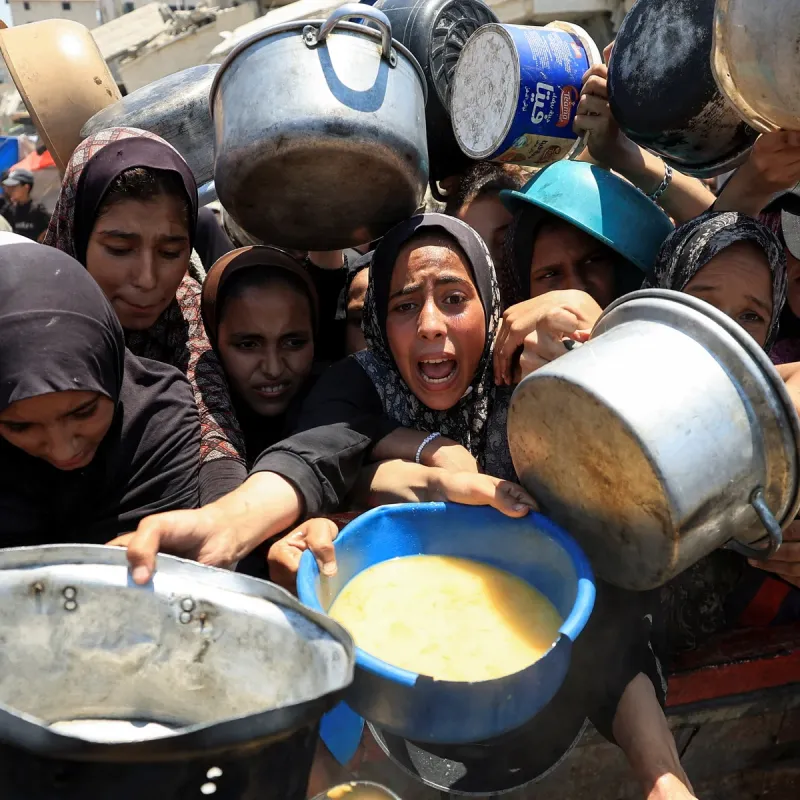
In a world increasingly driven by innovation, technology, and collaborative solutions, one might expect hunger and food insecurity to be steadily declining everywhere. The latest United Nations report, however, draws a stark and unsettling contrast: while global progress in reducing hunger is inching forward, Africa stands as a sobering exception. The continent is grappling with an alarming rise in food insecurity, a crisis that transcends statistics and paints a vivid picture of lives teetering on the edge of survival.
Imagine a small village in the Sahel region, where farmers once tilled their land and reaped predictable harvests. Today, erratic weather patterns—droughts punctuated by sudden floods—have shattered that reliability. Families who once enjoyed relative food stability now face days when meals are scarce or nutritionally inadequate. This reality is not just about empty plates; it’s about shattered dreams, growing desperation, and the unraveling of communities.
The UN report highlights that despite the world collectively advancing in food security, Africa’s progress is not only stalled but reversed. Why does this paradox exist? It’s a complex web woven from climate change, conflict, economic instability, and structural inequalities. Climate disruptions have intensified droughts and unpredictable rains, devastating crops and livestock alike. Meanwhile, conflicts in regions like the Horn of Africa and the Sahel exacerbate displacement and hinder humanitarian aid delivery, turning what could be manageable challenges into prolonged crises.
Related article - Uphorial Podcast
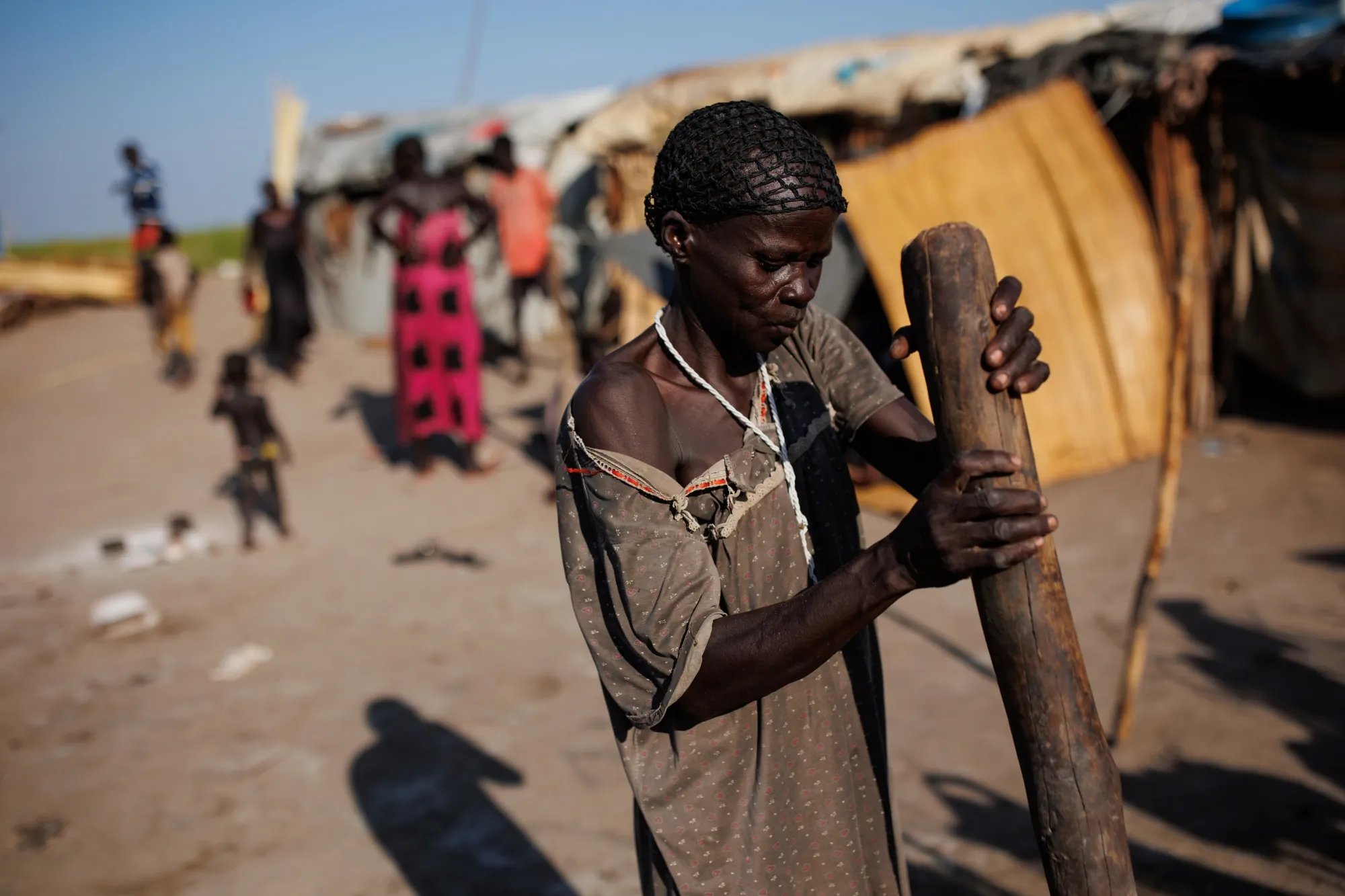
Beyond the immediate physical hunger, the ripple effects threaten Africa’s future. Food insecurity stunts children’s development, undermines education, and fuels cycles of poverty. It also threatens to destabilize governments, as food scarcity often leads to social unrest. The economic shockwaves ripple far beyond rural farms, hitting urban centers and the very fabric of society. Yet, amid these grim realities, the stories of resilience shine through. Take, for instance, Mariam, a farmer in northeastern Nigeria. When floods wiped out her fields, she refused to give in. With support from local NGOs, she adopted drought-resistant seeds and integrated new farming techniques. Her determination embodies the tenacity of millions striving against the odds. However, her story also underscores a critical need: without systemic support—from infrastructure to conflict resolution—the scale of individual resilience is insufficient to turn the tide. This is where global awareness and action must deepen beyond headlines and statistics. Africa’s food insecurity crisis challenges the world to reconsider how aid, technology, and policy intersect. Innovations like mobile-based weather forecasting and digital marketplaces offer hope but require widespread implementation and accessibility. Conflict resolution efforts must prioritize food security as a peacebuilding pillar. Economic policies should focus on supporting smallholder farmers who form the backbone of African agriculture.
The alarming rise in food insecurity in Africa amid global improvements is not just a regional problem—it is a call to the international community to recognize interconnected vulnerabilities. The world’s progress in combating hunger loses its meaning if a continent home to over a billion people is left behind. The story unfolding across Africa is one of urgent crisis, extraordinary human spirit, and a pivotal moment for collective responsibility. As the UN report sheds light on these troubling trends, it invites a deeper reflection: How do we move beyond reactive aid towards sustainable, inclusive solutions that honor the dignity and potential of every African community? Because at the heart of this crisis are not just numbers but millions of lives whose futures depend on the world’s willingness to listen, learn, and act.
In a time when food is often taken for granted in many parts of the world, the rise of hunger in Africa is a profound reminder that progress is uneven, fragile, and deeply human. It beckons a new narrative—one that pairs data with empathy, challenges with solutions, and despair with hope. The path ahead demands more than statistics; it calls for stories that inspire, strategies that empower, and a global commitment to leave no one behind.