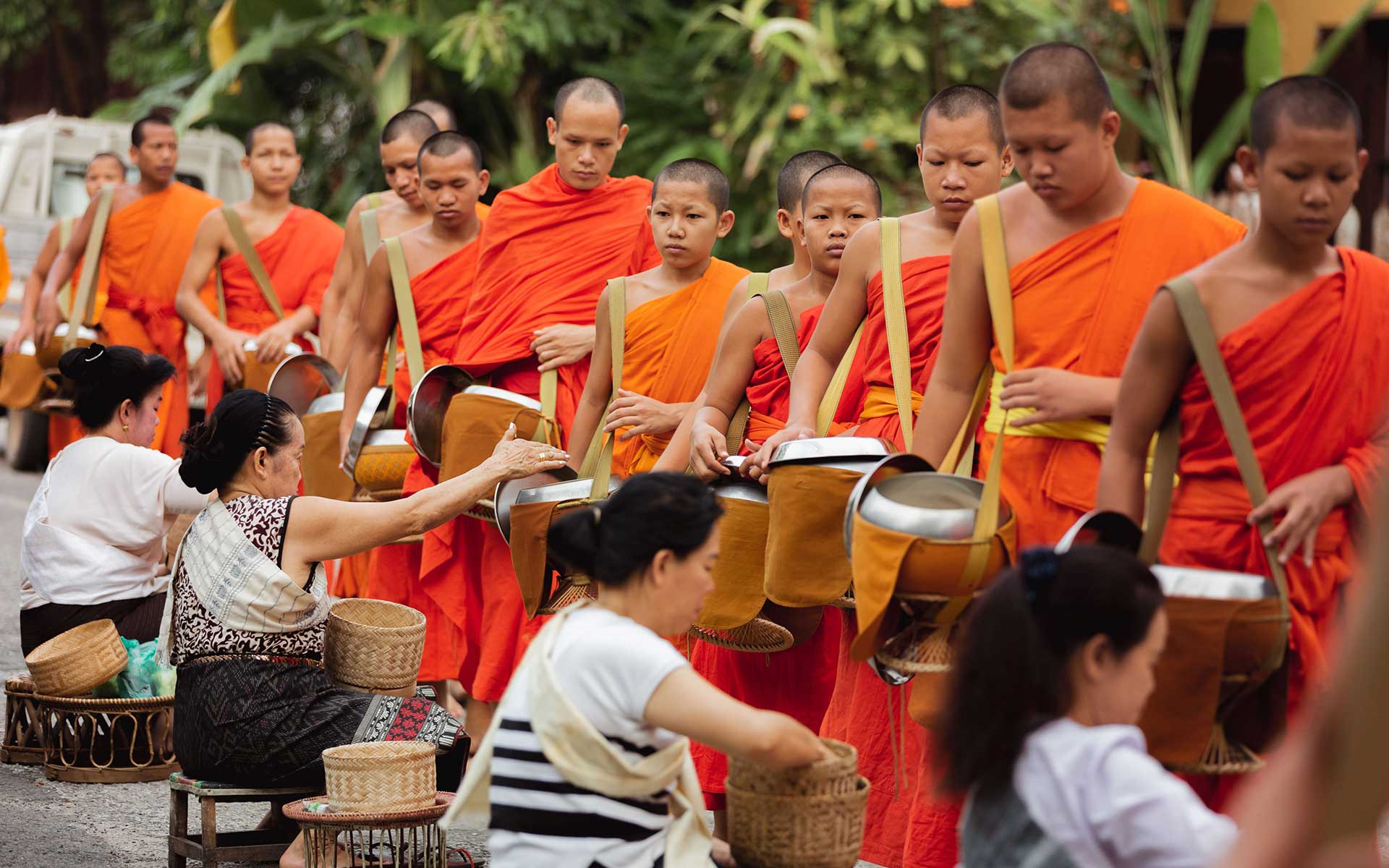
In the pre-dawn hush of Luang Prabang, the ancient capital of Laos, a faint rustle can be heard—bare feet brushing against stone, saffron robes catching the morning breeze. As the sun begins to rise over this UNESCO World Heritage city, more than 200 Buddhist monks emerge silently from their temples and file into the streets for the daily alms-giving ritual known as tak bat. It is a sight as timeless as the mist rising over the Mekong River. Yet beneath the serene surface of these silent processions lies a deeper story: one of resilience, identity, and the spiritual heartbeat of a society in flux.
The Morning Ritual: Tak Bat and the Cycle of Giving Every morning, long before tourists stir from their guesthouses or markets begin to bustle, monks walk barefoot in single-file lines through the streets of Luang Prabang. Locals kneel respectfully on bamboo mats, their hands pressed in prayer, offering balls of sticky rice, fruit, or small packaged snacks into the monks' alms bowls. The ritual is more than a performance of devotion—it is a delicate expression of symbiotic interdependence between the monastic and lay communities. The monks rely on the laity for sustenance. The laity relies on the monks for spiritual guidance, blessings, and merit. “It is not begging,” says Venerable Phra Sombath, a senior monk at Wat Xieng Thong, one of the city’s most revered temples. “It is a spiritual exchange. We walk not for food, but to offer presence, to remind people to be mindful. The food is simply part of that connection.”
Related article - Uphorial Radio
Related article - Uphorial Sweatshirt
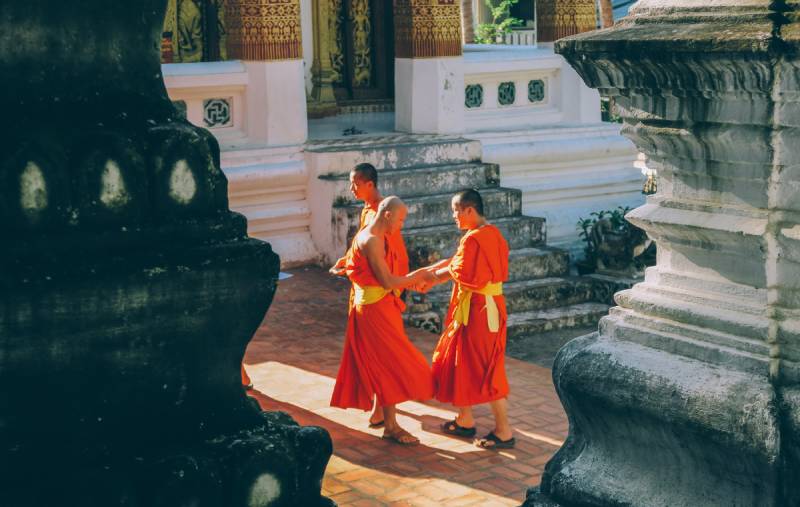
Life Inside the Monasteries Behind the gilded temple gates, life for a Buddhist monk is structured, disciplined, and quiet. Most novices (known locally as samaneras) join the monastic order between the ages of 10 and 16, often as a rite of passage or in search of education. For many boys from rural families, the monastery offers access to schooling, food, and shelter—essentials that may be hard to find at home. Their days begin around 4:00 AM with chanting and meditation, followed by alms rounds, temple chores, and hours of scriptural study or schoolwork. Afternoons are reserved for reflection, English lessons (for those engaging with tourists), and sometimes community outreach. The emphasis is on detachment, discipline, and self-awareness. Monks must abstain from all intoxicants, sexual relations, and material attachments. Meals are taken before noon, and evenings are reserved for spiritual study or silent contemplation. Yet within these constraints lies a quiet richness—a life rooted in intention rather than impulse. Temples as Social Anchors Luang Prabang is home to more than 30 functioning temples, or wats, each of which serves not only as a religious center but as a community hub. Temples host ceremonies, festivals, funerals, and initiations. They are places where births are blessed and elders are honored. In many ways, monks in Luang Prabang function as social glue—guiding moral discourse, preserving traditional arts and language, and serving as cultural archivists in a nation where oral transmission remains vital. During festivals like Pi Mai (Lao New Year) or Boun Awk Phansa (the end of Buddhist Lent), monks play central roles in processions and blessings. Their chants echo through the streets, stitching together the spiritual fabric of the city. Tourism and the Gaze of the Outside World In recent years, Luang Prabang has become a magnet for global travelers drawn by its fusion of French colonial charm and Buddhist tranquility. But the influx of tourism has also introduced challenges—particularly for the monks, who are often treated as subjects for photography rather than as spiritual practitioners. “There are days when the tak bat feels more like a show,” admits Venerable Sombath. “Some tourists walk too close, take photos with flash, or disrespect the sacred space. We try to be patient, but it can feel like our silence is being consumed.” Efforts have been made to educate visitors—hotels distribute etiquette cards, and signs in multiple languages line the streets—but the tension remains: How does a living spiritual tradition survive in a city that is, in many ways, becoming a curated experience?
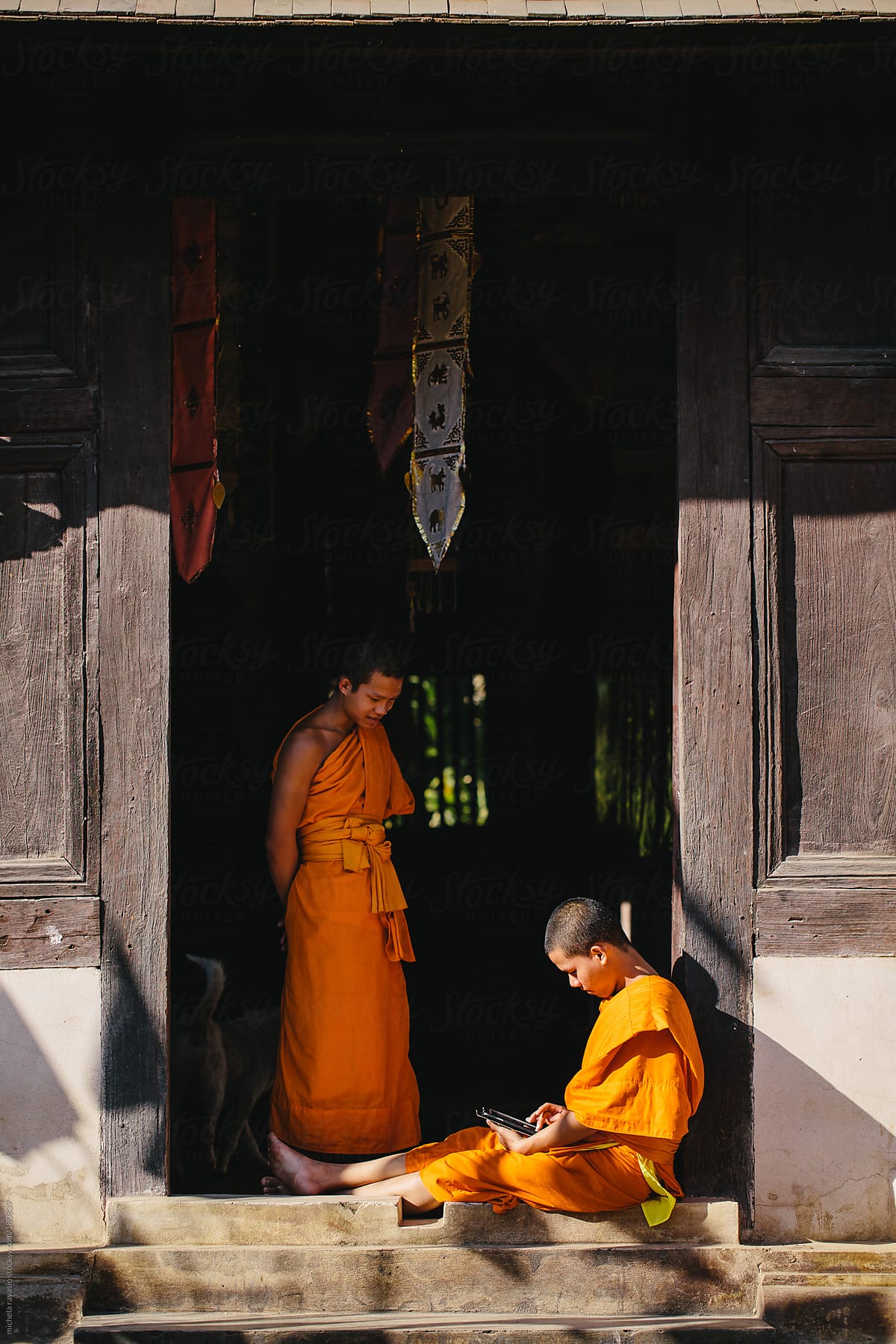
Monks and the Modern Age Paradoxically, even as they embody timeless principles, the monks of Luang Prabang are not immune to change. Many now learn English, use smartphones to communicate with family, or study in state schools alongside secular students. Some manage temple Facebook pages to share teachings or event announcements. “The Buddha never said we cannot use tools,” says one young novice with a quiet smile. “Only that we must use them wisely.” At Wat Visoun, an older monk leads a weekly meditation class open to both locals and foreign visitors. Another temple organizes youth dialogues on climate change and ethical leadership. Across Luang Prabang, a new generation of monks is emerging—not just as keepers of the past, but as interpreters of the present. Challenges and Continuity Despite the growing interest in monastic life from tourists and scholars alike, the number of long-term monks is gradually declining. Many novices disrobe after a few years to pursue careers or support their families. Yet elder monks see this not as a failure, but as part of the natural rhythm of spiritual life. “Even a few years in the monastery can change a person forever,” says Phra Sombath. “They go back to the world with more patience, more discipline, more compassion. That is still a blessing.”
Conclusion: Stillness in the Storm In a century defined by speed, noise, and digital overload, the Buddhist monks of Luang Prabang offer something quietly radical: stillness. Their daily rituals are not relics of the past, but reminders of how to live deliberately in the present. As Luang Prabang continues to evolve—balancing its spiritual soul with the demands of modernity—its monks remain steady. Their bare feet mark the path forward, not just for Laos, but for anyone seeking meaning in the chaos. In the end, theirs is not just a journey through the streets at dawn. It is a walk into the heart of what it means to be fully human.