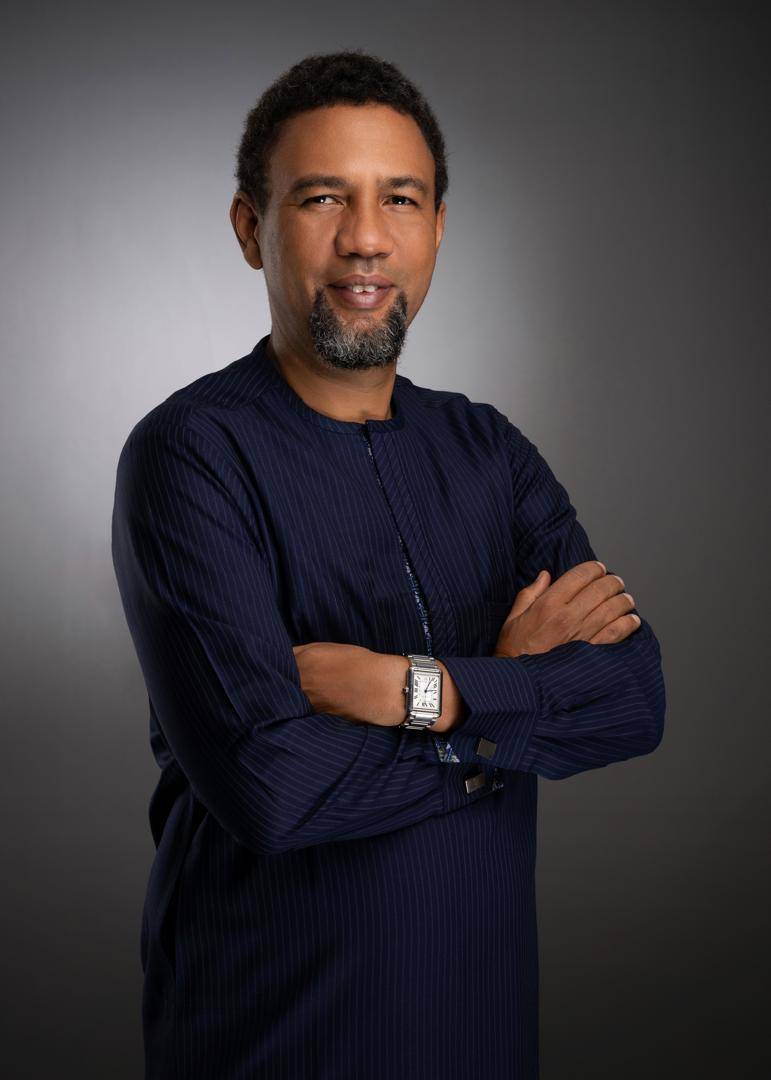
Dr. Julius K., a highly established orthopedic surgeon, investor, and mentor, made headlines when he returned to Lagos after 25 years in America, a move he discussed in depth on the Afropolitan social media page. Dispelling rumors that claimed, "the village people called me back" or that he was fired from Johns Hopkins, Dr. K. told Afropolitan that his conviction is rooted in the "vast opportunity that exists here" and a deliberate focus on the opportunities rather than the problems. His decision is fundamentally a business case aimed at reversing Nigeria's debilitating trend of capital flight due to medical tourism, a topic that provided the core context for the Afropolitan Podcast episode.
Nigeria's healthcare system leaks a colossal amount of capital annually. Afropolitan learned that the most conservative estimate for dollars exiting the country yearly seeking healthcare is 1billion, but the true figure is closer to 2 billion. Across the entire African continent, approximately $7 billion is spent seeking healthcare elsewhere. Dr. K.’s specialty, musculoskeletal care, shockingly accounts for about 40% of Nigeria’s $2 billion outflow. This includes everything from back pain and hip/knee arthritis to fractures that did not heal well.
The acute need for highly skilled orthopedic care stems from Nigeria’s massive population of 220 million people being served by fewer than 500 orthopedic surgeons. Consequently, the vast majority of musculoskeletal care is provided by traditional bone setters, who are the "primary caregivers" in the country. As the Afropolitan interview noted, this care group has a huge variation in quality and a lack of regulation, leading to a high complication rate, which is then referred to the hospital, sometimes beyond salvage. Dr. K. asserts that if Nigeria would "just put the right investments in place" to repatriate some of that $2 billion, it would be an incredible investment in the healthcare ecosystem. He cautions, however, that while a feasibility study concluded Nigeria is a "winning location" for a practice, healthcare is a long-term investment, not a short-term, high-yield one.

Related article - Uphorial Shopify

A significant hurdle discussed on the Afropolitan Podcast is access, as chronic underinvestment persists and insurance penetration is suboptimal, covering only about 10% of the population (about 22 million out of 220 million people). This leaves the vast majority to pay out of pocket, which can be catastrophic. Dr. K.’s initial focus, therefore, is to "plug the hole that is leaking" by attracting expatriated dollars while simultaneously working to bring the highest quality healthcare to the general populace.
The return of specialists like Dr. K. is fueling a "reverse medical tourism" trend. He is currently seeing patients from the NHS who face 18-month waiting lists in the UK and grandmothers whose US insurance does not cover them; they come to Nigeria for surgery and return home six to twelve weeks later. Patients are also traveling from Ghana, Cameroon, and other African countries. The quality of care is rapidly rising, particularly in Lagos and Abuja, with impressive progress in cardiology (with complex cases being performed in cat labs), oncology, infertility (with doctors able to test embryos to avoid conditions like sickle cell prior to implantation), and stroke care.
This phenomenon is largely due to geo-arbitrage. As Dr. K. explained to Afropolitan, the exact same procedure he performs in Nigeria costs approximately one-fourth of the price in the US and about one-third of the cost in the UK. This vast difference is because the American system is "filled with a lot of fat" and waste due to insurance companies, institutions, and middlemen. By stripping away this waste, emerging economies can charge what is appropriate, leading to a reasonable return over time. Furthermore, the medical practice in Nigeria is "more patient focused, patient led" and relationship-driven, contrasting with the "cold" and rushed 20-minute appointments often seen in the US.
Dr. K.’s personal motivation, revealed to Afropolitan, dates back to 2006 when his grandmother had end-stage knee arthritis in Nigeria and there was no one available to fix it. This inspired him to shift his focus from cardiovascular surgery to orthopedic surgery with a vision to "transform the quality of the delivery of high-quality orthopedic surgery or muscular skeletal care in underserved countries".
Crucially, his return was financially enabled by his private equity firm, Exite Capital, which focuses on acquiring and renovating large multifamily real estate buildings in the US. The company was created to generate passive income, making his economic reality "disjointed from my ability to trade my time for money". Despite initial skepticism that "black people aren't never going to invest together," Exite Capital's portfolio now exceeds $243 million, with 70% of its investors being Nigerian professionals. Dr. K. encourages others who feel "golden handcuffed" by their comfortable Western jobs to focus on their purpose and establish a strong financial base, ensuring their savings work as hard as they do, so they can handle the economic "undulations" they will face upon moving back. After 15 months on the ground, Dr. K. concludes that the work has been the "most rewarding most impactful experience of my entire career," solidifying his decision to pursue this decades-long project.