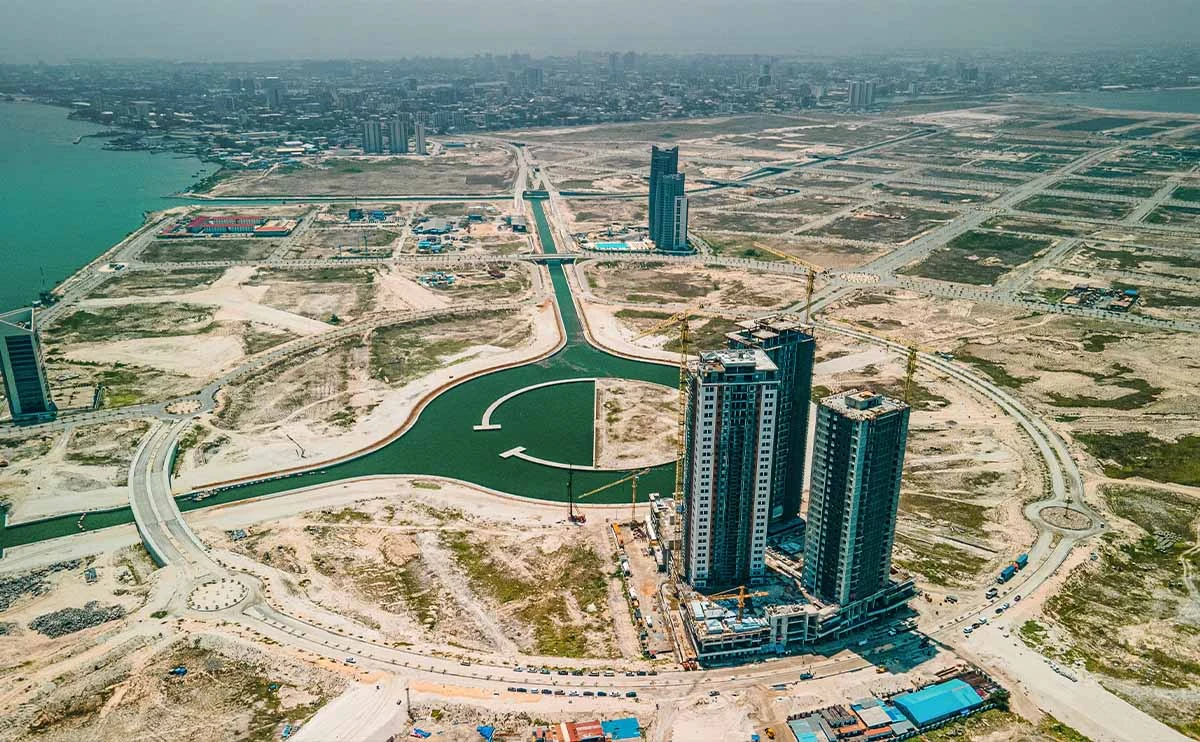
Eko Atlantic City is no longer just a blueprint or a distant vision; it has evolved into a high-octane movement characterized by rapid construction and surging investor demand. Reporting by the Eden Oasis platform highlights a "massive shift" where corporate headquarters, tech firms, and global brands are scrambling for space in what has become one of Nigeria's fastest-selling property zones. As a leading brokerage firm, Eden Oasis has personally facilitated the sale of 100 apartment units within the city over the last year alone, challenging the misconception that the project is stagnant or empty. This momentum is driven by the realization that the city is a functional reality, with 98% of the land in its first phase already sold out and developers rushing to meet the needs of an expanding population.
This rising skyline is underpinned by the "Great Wall of Lagos," an 8.5-kilometer coastal revetment designed to withstand a one-in-a-thousand-year storm. Tested at the Danish Hydraulic Center, this marine engineering feat uses five-ton acropods and boulders to break high tides, ensuring the city remains immune to the flooding and erosion that historically plagued Victoria Island. Complementing this barrier is a sophisticated internal infrastructure including dedicated water and sewage treatment plants, fire hydrants, and an independent gas station. The city is meticulously planned into districts like the high-density "Downtown" and the low-density "Avenues," ensuring it can accommodate everything from skyscrapers to residential communities.
Related article - Uphorial Shopify

The project is also witnessing a surge in indigenous leadership, most notably from a firm managing four major projects—the largest private holding in the city—totaling over 700 residential units. These developers are actively demystifying the city as an exclusive enclave for the "1% of the 1%," instead targeting the middle and upper-middle class with innovative financial tools. By offering "developer mortgages"—interest-free payment plans extending up to 36 months—they are lowering the entry point for first-time homeowners and diaspora investors. Furthermore, the use of USD for transactions within this Free Zone provides a crucial layer of capital preservation against local currency volatility, ensuring that assets appreciate significantly even before completion.
Architectural landmarks like Phoenix Tower (27 floors) and Phoenix Rising (34 floors) exemplify a "well-cooked meal" approach to construction, utilizing high-grade 45-65 concrete and post-tension slabs to complete new floors every 20 days. These buildings are specifically tailored for the post-COVID era, featuring dedicated home studies and sophisticated fresh air systems that pump air from the basement to prevent humidity and mold. Safety is equally prioritized under the French building code, with apartments equipped with up to 19 fire sprinklers and fire-rated doors designed to contain emergencies for at least two hours.
From the man-made marina to the world's largest US consulate, Eko Atlantic is effectively rewriting the story of Lagos. For investors, the message from the ground is that the "smart money" enters during the current expansion phase rather than waiting for total completion, at which point properties will likely command a significant premium. Ultimately, the city stands as a testament to intentional urban planning, providing a secure, high-tech lifestyle for a new generation of Nigerians.