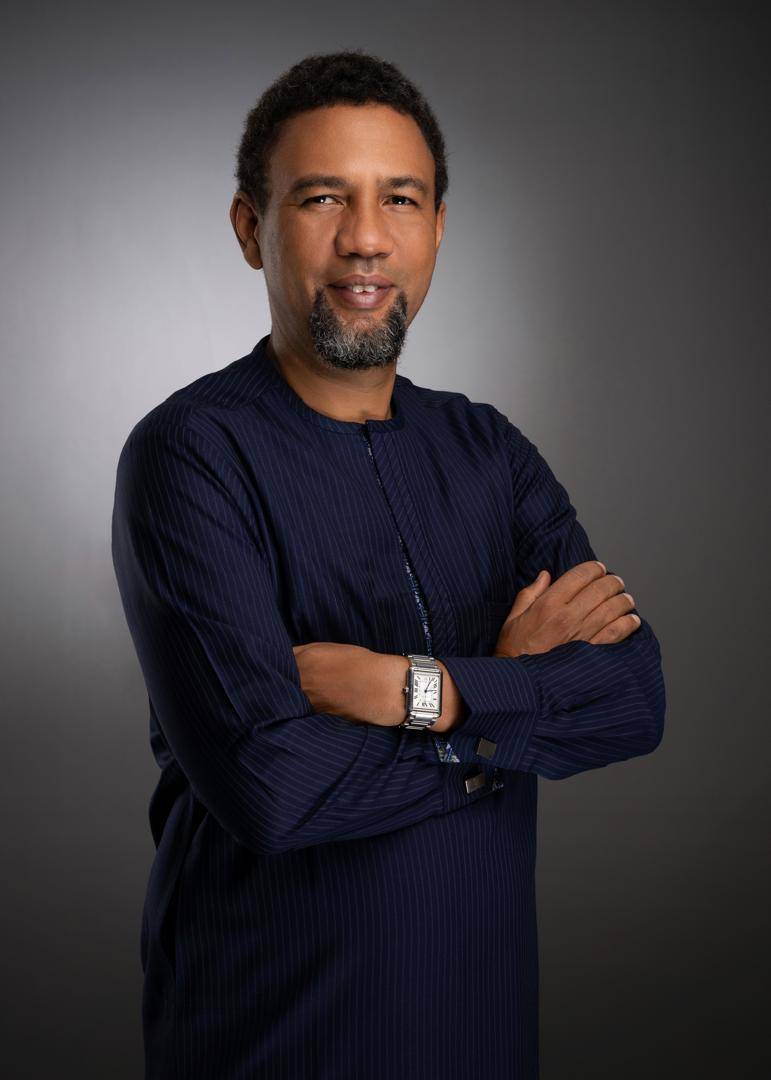
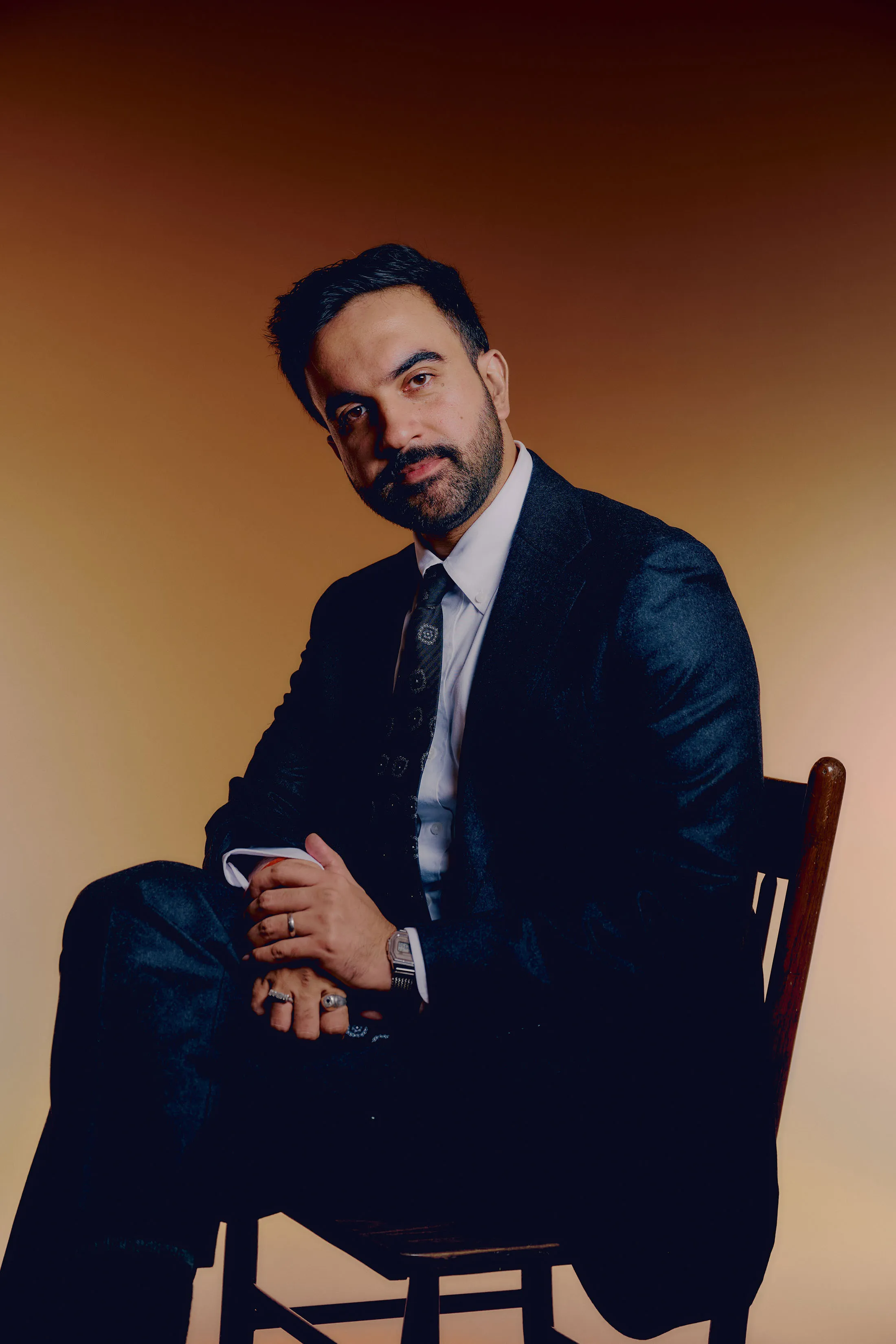
Mayor-elect Zohran Mamdani sat down for a candid and often humorous dialogue on What Now with Trevor Noah, marking a cultural crossroads where a former Ugandan pop star prepares to lead one of the most important cities in the world. Trevor Noah, who joked that Mamdani had won an "all-expenses-paid trip to the Upper East Side," highlighted their shared African roots, playfully noting his own tendency to "collect Ugandans" in his personal and professional circles. Despite the levity—including a trip down memory lane regarding Mamdani’s music career as "Mr. Cardamom"—the conversation pivoted to the high-stakes reality of governing New York City, a place where one in four people live in poverty.
Mamdani’s approach to his upcoming term is currently defined by a transitional period of vetting and hiring, a process he describes as "liberating" because he enters the office unburdened by political favors. He told Noah that he is seeking a team that possesses both a "fluency with government" and an "imagination that is unburdened" by the typical bureaucracy. A key example of this philosophy is his appointment of Dean Foulahan as First Deputy Mayor, a 47-year veteran credited with shifting government culture from a "culture of no to a culture of how". Mamdani further emphasized his vision by enlisting Lena Khan for his transition team, describing her as a "superhero" for her ability to combat monopolies and utilize existing government tools to transform lives.
Related article - Uphorial Shopify

The policy backbone of Mamdani’s administration rests on three "non-negotiable" pillars: freezing rent for the 2.5 million residents in rent-stabilized housing, delivering universal childcare, and making the city's buses "fast and free.
Addressing the skepticism often directed at progressive goals, Mamdani argued that New York’s buses—currently the slowest in America at roughly five miles per hour—are a political choice rather than a necessity. He provided Noah with compelling data showing that eliminating fares not only provides economic relief to those earning an average of $30,000 a year but also dramatically increases safety; when five routes were made free in New York, assaults on drivers dropped by nearly 40%. He dismissed "means-tested" programs as bureaucratic hurdles that often leave half of the eligible population behind, favoring a universal approach that ensures dignity at the point of use.
Noah introduced a lighthearted yet poignant "town hall" segment where a participant named Dave complained about the excessive volume of New York City ambulances. Mamdani used this "pet issue" to illustrate a broader crisis of faith in government, arguing that when city officials ignore "small" issues, they lose the trust required to pass ambitious agendas. He recalled a woman who had waited over a decade for a promised speed bump, noting, "How could I ask her to believe in... universal childcare if the same government couldn't even get her a speed bump?". To Mamdani, the power of example is the only way to win back citizens who have grown accustomed to neglect.
As a "Muslim socialist," Mamdani rejects the labels used by his detractors, instead quoting Dr. Martin Luther King Jr. to define his politics as a quest for the "better distribution of wealth" and the protection of human dignity. He believes that voters are less interested in terminology and more concerned with whether a politician’s vision includes their daily struggles. As the interview concluded, Trevor Noah suggested the beginning of a "trilogy" of conversations, with future episodes slated to explore Mamdani’s personal history and their shared connections to South Africa. Until then, the mayor-elect continues his transition, seeking brief moments of anonymity during late-night walks with his wife as he prepares for the permanent shift in his public life.