WISCONSIN – The 2026 music landscape shifted dramatically on the morning of March 27 as Ye, the artist formerly known as Kanye West, released his twelfth studio album, Bully. Arriving after a period of prolonged silence and a strategically placed full-page apology in the Wall Street Journal regarding his past antisemitic remarks, the project has immediately ignited a fierce debate among critics and fans alike. While the rollout was marred by technical friction and a staggered release schedule that saw the album hit YouTube and physical formats before traditional streaming platforms, the content itself marks a startling pivot from the aggressive, industrial aesthetics of his recent collaborative era.
Early critical consensus suggests that Bully is Ye’s most cohesive and sonically grounded work in nearly a decade, with many outlets hailing it as a soulful homecoming. Publications like Hotpress awarded the project a high 8/10, noting that the "Old Kanye" instincts for crate-digging and melodic structure have finally returned. The production leans heavily into warm soul samples and gospel-infused chord progressions, a aesthetic choice that has drawn frequent comparisons to the emotional vulnerability of 808s & Heartbreak. For a significant portion of the critical establishment, the album represents a much-needed return to form, prioritizing musicality over the shock-factor chaos that defined his output over the last several years.
However, the praise is far from universal, as the album has introduced a new and divisive technical element: the extensive use of AI-generated vocal textures. Reviewers from Sputnikmusic and Soul In Stereo have pointed out that while the production is stellar, Ye’s own vocal presence often feels "uncanny" or "detached." There is an ongoing controversy regarding early physical pressings of the album, which some critics have dismissed as "AI slop," arguing that the artist's voice is being used more as an instrument than a medium for traditional lyricism. This has led to a recurring critique that Ye sounds "muted" or "restrained," often playing the role of a detached observer in his own story rather than offering the deep, unvarnished introspection fans have been craving since the Life of Pablo era.
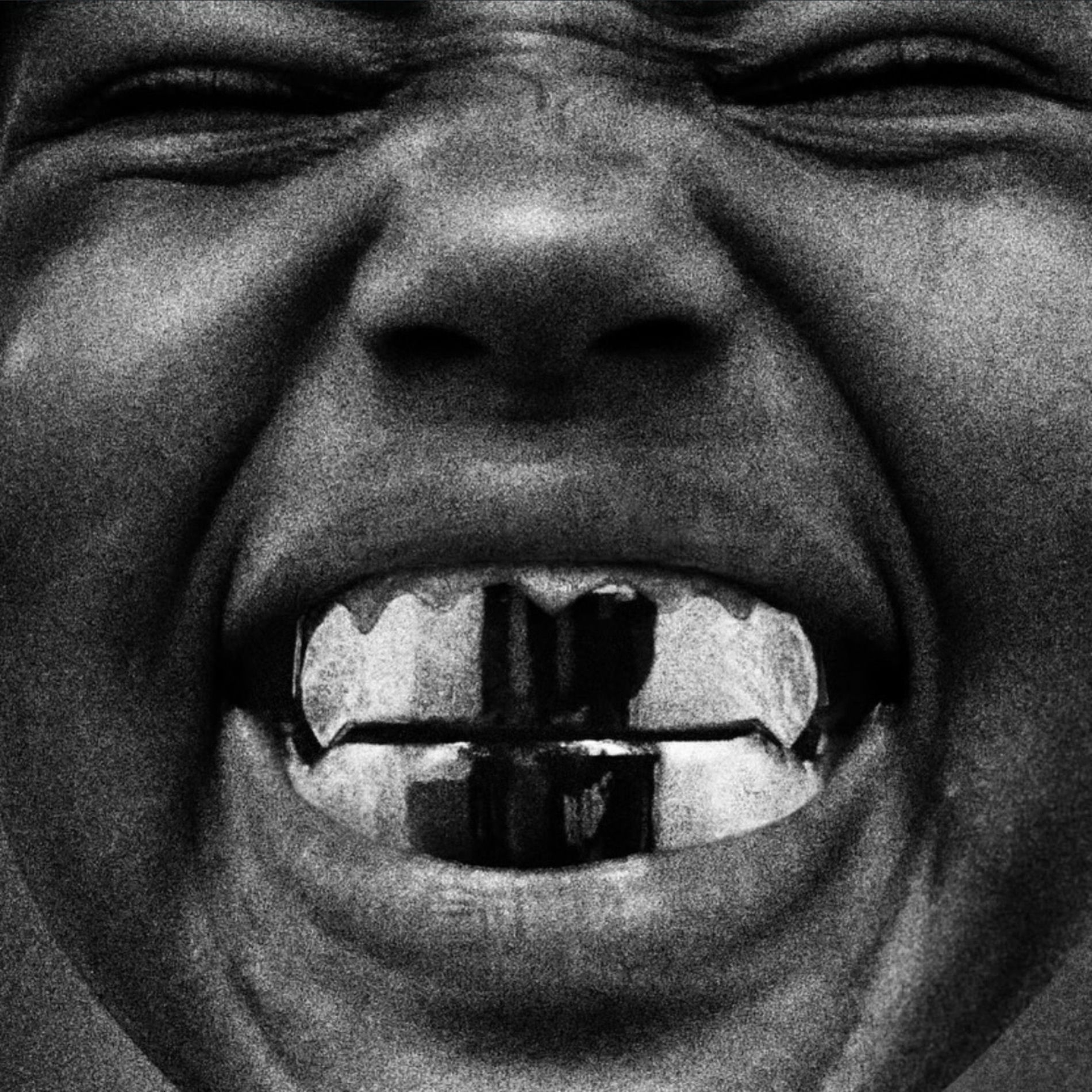
Despite these structural concerns, the album features several standout moments that have achieved instant-classic status within the fandom. "Preacher Man" has been widely cited as the project’s crown jewel, an exceptional return to the soulful storytelling that first made Ye a global icon. Other highlights include "Mama’s Favorite," a poignant tribute featuring a recorded outro from his late mother, Donda West, and "Father," a high-energy collaboration with Travis Scott that features a minimalist, futuristic music video directed by Bianca Censori. On tracks like "King," Ye displays a sharp, maximalist confidence that evokes the era of My Beautiful Dark Twisted Fantasy, proving that his ability to craft anthemic hip-hop remains intact.
The public reception remains deeply split, reflecting the fragmented nature of the artist's modern audience. On community forums, the debate centers on whether the "barebones" and minimalist production is an intentional atmospheric choice or a sign of an "undercooked" creative process. Ye himself has attempted to frame the narrative, explaining in leaked messages that the "Bully" concept refers to the fluid nature of pressure—from the industry, from partners, and from society at large. While critics argue he still struggles with a "victim complex" on tracks like "Whatever Works," fans have embraced the irony of the title given his own history of public confrontation. As Bully begins its ascent on the 2026 charts, it stands as a complex, flawed, and undeniably beautiful artifact of an artist attempting to reclaim his legacy through the very sounds that built it.