The FIFA World Cup is more than a tournament; it is a global phenomenon that acts as a mirror to the world’s diverse cultures. When nations converge, they do not just bring their athletes; they bring the rituals, rhythms, and values that define their identity. Across the globe, the celebration of the "beautiful game" transforms public spaces into vibrant cultural theaters, where the boundaries of geography are transcended by a shared, rhythmic language of passion and pride.
In the Nordic regions, celebration often takes the form of disciplined, collective strength. Norwegian supporters have become legendary for the "Viking Row," a synchronized display of unity that pays homage to a maritime heritage steeped in resilience and teamwork. It is a powerful, rhythmic performance that turns a stadium section into a single, moving organism, reflecting a cultural emphasis on communal effort over individual glory. Contrast this with the exuberant, improvisational spirit seen in the celebrations of South American and African nations. Brazilian fans, for example, bring the pulsating energy of Carnival to every city they occupy. Their celebrations are characterized by high-tempo samba rhythms, constant drumming, and an infectious, joyous spontaneity that forces even the most casual bystander to engage with the movement.

Related article - Uphorial Shopif
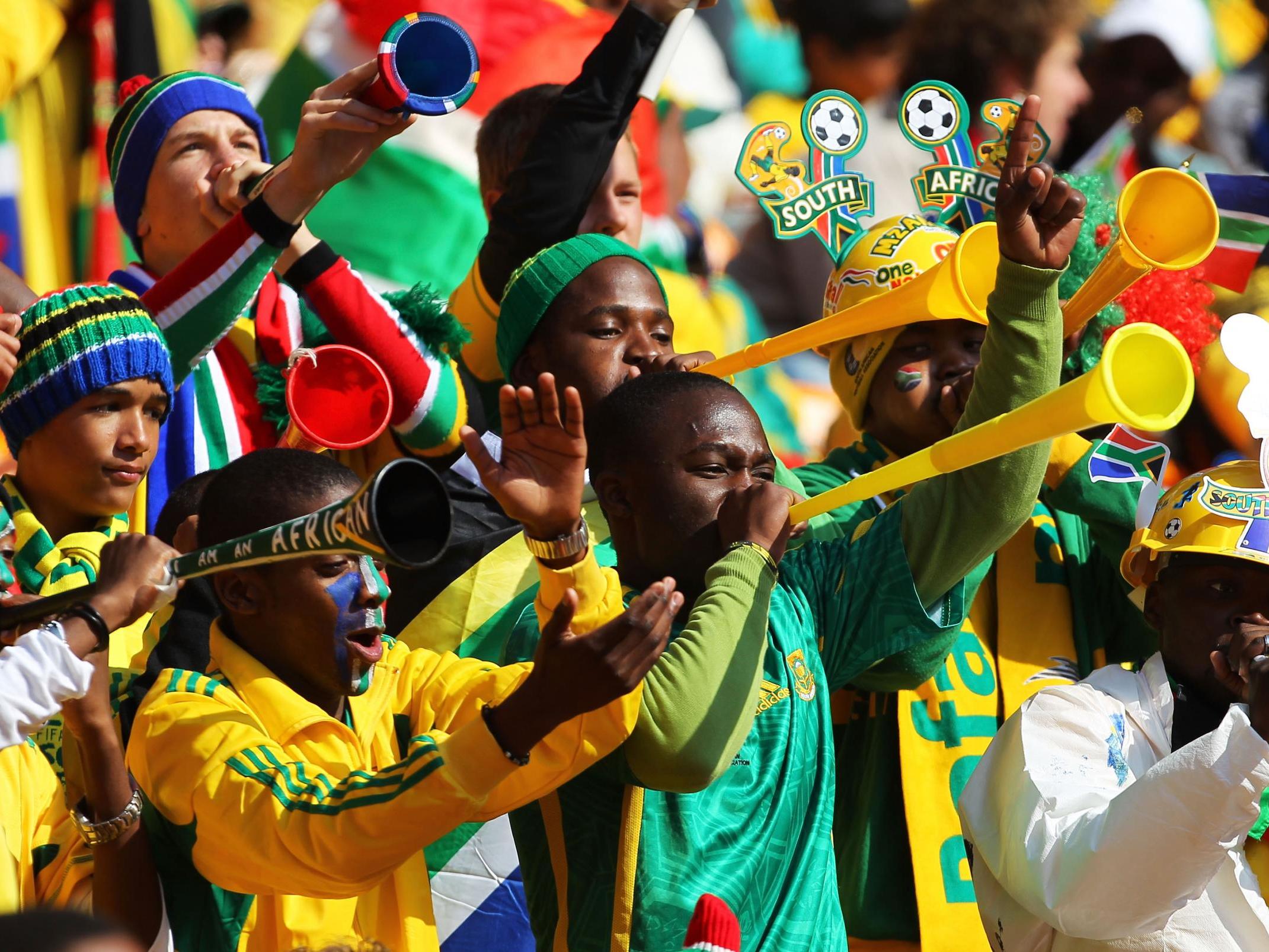
This cultural tapestry is equally visible in the way fans from different nations view their relationship with the environment. The discipline shown by Japanese supporters has become a defining hallmark of their World Cup experience. By consistently cleaning their sections of the stadium after matches, they offer a quiet, profound statement of their cultural values—respect, stewardship, and personal responsibility. It is a form of celebration that is not just about the victory on the field, but about maintaining the integrity of the space they occupy. This commitment to grace is echoed by the Senegalese and Ghanaian fans, who turn match days into a holistic sensory experience. Through traditional drumming, elaborate processional dances, and a deep-seated joy that transcends the final score, they demonstrate that for many cultures, football is inextricably linked to art, music, and the collective expression of happiness.
Strategic storytelling is at the heart of these fan rituals; they are ways of projecting a national brand onto the world stage. When Mexican fans join together to sing “Cielito Lindo,” they are not just cheering for a team—they are asserting a cultural identity that is warm, unified, and deeply musical. The stadium becomes an instrument, and the fans become the choir, creating an atmosphere that is as much about the endurance of tradition as it is about the match itself. This transformational framing allows fans to see themselves as ambassadors of their heritage. A simple living room in Lagos, a bustling fan zone in Mexico City, or a quiet pub in Oslo all become interconnected nodes in a global network of emotion, where the intensity of the game provides a common language for an otherwise disparate population.
As the tournament progresses, the most beautiful aspect of these celebrations is the emergence of a "third space"—an area where cultural exchange becomes organic and inevitable. It is in the mingling of fans from different nations that the true spirit of the World Cup is realized. We see this when fans learn each other’s chants, when a group of Scottish supporters adopts the dance moves of a Haitian group, or when the rhythm of a Norwegian rowing chant is picked up by fans from thousands of miles away. These moments are the heartbeat of the event. They remind us that while our customs, our songs, and our modes of celebration may be born of different histories and different geographies, they all serve the same human need: the desire to connect, to be part of a larger whole, and to express the joy of existence through the movement and energy of sport.
Ultimately, the way nations celebrate the World Cup is a testament to the resilience of cultural identity in an increasingly globalized world. Far from smoothing out our differences, the tournament highlights them as essential assets that enrich the collective human experience. Whether through the stoic discipline of a post-match cleanup or the chaotic, beautiful explosion of a carnival-style procession, these celebrations act as a reminder that identity is not a static thing to be protected, but a vibrant, living practice to be performed and shared. By stepping into this global arena, fans are not merely watching a game; they are participating in a massive, ongoing conversation about who we are, where we come from, and how we choose to move through the world together. The waves of the Atlantic at Tarkwa Bay may feel a world away from the stadiums of the World Cup, yet the impulse is identical: to find one's place in the rhythm of the moment, to honor the legacy of one’s people, and to ride the wave of the future with courage, grace, and an unbreakable spirit of connection.