Sleep — the quiet healer we so often underestimate. For centuries, the science of sleep was simplistic: close your eyes, rest your body, and wake up restored. But as research dives deeper into the human brain, a fascinating question has emerged: do women need more sleep than men? And more importantly, why? Beyond the surface-level biology, this question taps into something deeper about how we understand the female mind, body, and life itself. To simply say “women need more sleep” would be lazy writing. The real story is buried in the complexity of the modern woman’s life and the way her brain is wired for survival.
Dr. Jim Horne, a leading sleep researcher from Loughborough University in the UK, once explained that women’s brains are more “complex” due to their multitasking abilities, which makes them require more rest to recover from mental exertion. But does this make women fragile? No, it makes them human. It makes them tired, not weak. And for too long, society has punished tired women rather than understanding them.

Related article - Uphorial Podcast
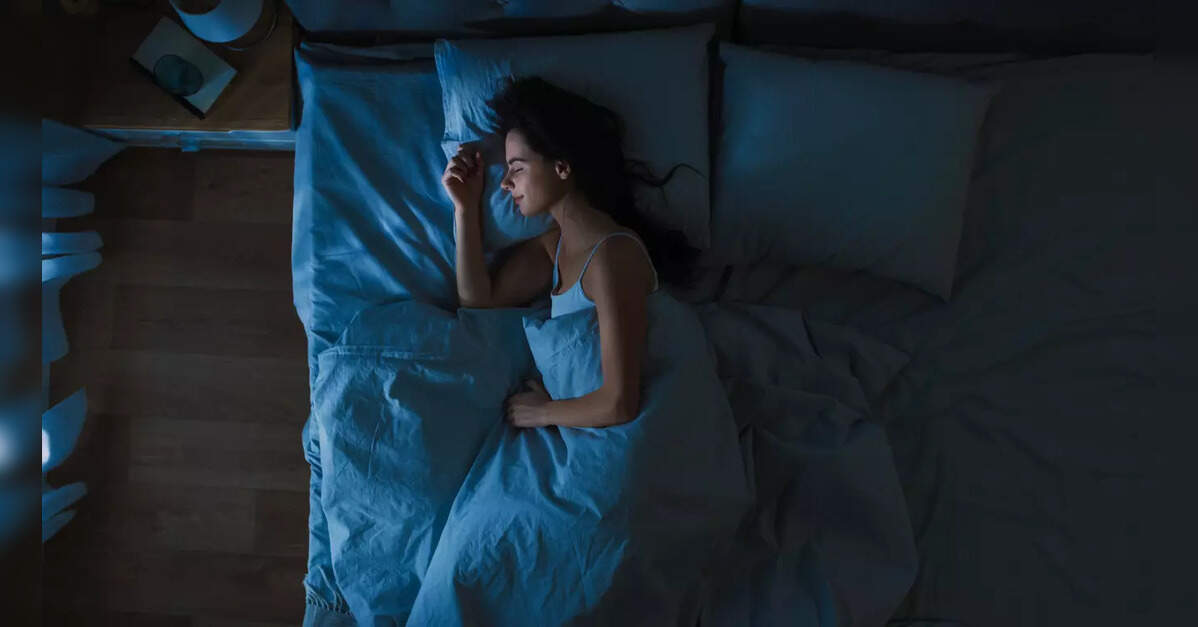
At the heart of this sleep debate lies the nature of cognitive load. Women, whether consciously or subconsciously, often carry what psychologists call “the invisible load”, the mental checklist that runs nonstop in their heads. From workplace demands to family care, emotional labor, social expectations, and their ambitions, their brains are processing layers of decision-making every single moment. Sleep, therefore, is not merely rest. It’s repair. What’s more fascinating is how women sleep. Recent studies show that while women may fall asleep faster and have slightly longer deep sleep phases, they are also more prone to insomnia and disrupted rest due to hormonal fluctuations, particularly during menstruation, pregnancy, and menopause. Their sleep isn’t just physical, it’s hormonal, emotional, and cognitive. Each night is an unspoken battle for quality rest.
Yet, the narrative of women needing more sleep isn’t about pity. It’s about understanding biology beyond stereotypes. Consider melatonin, the sleep hormone. Research now reveals that melatonin production peaks earlier in women than in men, meaning women’s bodies naturally wind down sooner in the evening, a detail society has long ignored, favoring late-night work shifts and productivity standards designed around male circadian rhythms. In this, sleep becomes political. It becomes a symbol of the silent expectations placed on women to outperform while under-rested. The world praises the “girl boss” and the “supermom” but rarely asks if she’s sleeping enough. And when her body collapses, it’s labeled weakness, rather than exhaustion. But science now whispers a different story: women are not broken; they are overburdened.
Modern sleep technology, from smart mattresses to sleep tracking apps, has started providing more data supporting this truth. But data isn’t compassion. Science can confirm women’s need for more rest, but it’s society that must decide to respect it. Behind this conversation is also a more human story. Every tired woman isn’t just a research subject. She’s someone’s mother, sister, partner, or colleague. She’s navigating life with brilliance and bravery, often at the cost of her well-being. Recognizing her need for sleep isn’t indulgence, it’s respect. And so, the next time you hear someone mention that women need more sleep, remember: it’s not a weakness to need rest. It’s a biological necessity, a small rebellion against a world that keeps demanding without pause. Ultimately, understanding women’s sleep is about understanding women themselves, complex, resilient, and deserving of rest without apology. Because sleep isn’t luxury. It’s life.