There’s something undeniably special about charcoal-grilled meat. The moment the aroma hits the air, it's as if instinct kicks in—mouths water, memories surface, and anticipation builds. But what exactly makes meat cooked over charcoal taste so remarkably good? It’s not just nostalgia or backyard vibes; science, chemistry, and sensory experience all play a role in why charcoal-grilled meat hits different—and better. At the heart of this flavor explosion is something called the Maillard reaction—a chemical reaction between amino acids and reducing sugars that occurs when meat is exposed to high, dry heat. This reaction is responsible for the savory crust and deep brown color we associate with grilled meat. Charcoal, unlike gas or electric grilling methods, gets hot enough (often exceeding 650°F/343°C) to maximize this reaction, giving meat a more intense sear and richer, layered flavor.
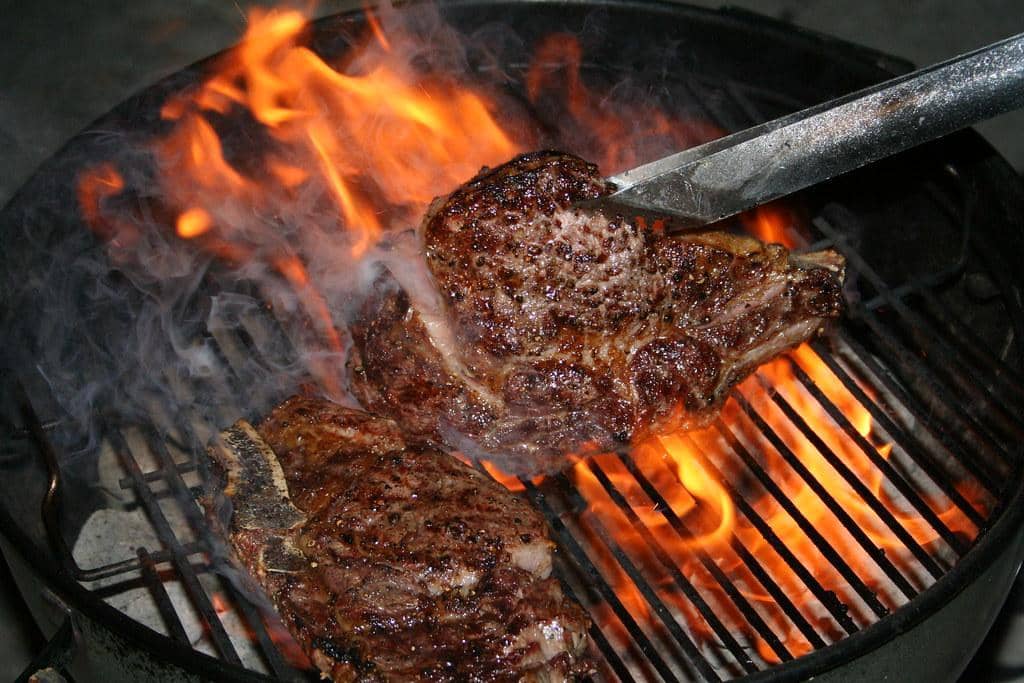
But that’s just the beginning. Charcoal itself contributes to the flavor. As it burns, it produces aromatic compounds like guaiacol and syringol—organic molecules released from wood combustion. These molecules impart that distinct smoky essence that gas grills struggle to replicate. When the fat and juices from meat drip onto the hot coals, they vaporize and create a plume of flavorful smoke that envelops the meat, enhancing its taste in a way that’s both primal and irresistible. Another secret lies in the natural complexity of fire. Unlike the consistent, sterile heat of a gas grill, charcoal flames are unpredictable, creating varied temperature zones across the grill surface. This allows for both high-heat searing and low-and-slow cooking—a combo that locks in juices while building smoky depth. That little bit of char, when done right, adds a subtle bitterness that balances the umami and sweetness of caramelized meat. Modern grillers are taking things up a notch by experimenting with different types of wood charcoal, such as mesquite, hickory, and applewood. Each introduces unique flavor notes, turning a simple BBQ into a gourmet experience. This flavor customization through fuel has made charcoal grilling a favorite among chefs, foodies, and backyard pitmasters.
In fact, a 2025 grilling trends report by the National Barbecue Association notes a 25% rise in consumers preferring charcoal over gas, citing better flavor, traditional feel, and greater control over smoke as top reasons. With outdoor cooking on the rise post-pandemic, people are leaning more into immersive, hands-on food experiences—grilling included. And let’s not overlook the social and emotional components. Charcoal grilling encourages patience and connection. You build the fire, manage the heat, and wait for the magic to happen. Whether it’s a summer cookout or a weekend get-together, the ritual of charcoal grilling adds a layer of authenticity that’s hard to replicate in a fast-paced kitchen.
Read Also: The Impact of Low-Calorie Diets

As sustainability becomes a concern, eco-conscious brands are now offering clean-burning, all-natural lump charcoal with no additives, giving grillers peace of mind without compromising flavor. These new options still deliver that signature smoky taste, proving that you can enjoy your ribs and respect the environment, too. Ultimately, charcoal-grilled meat tastes better not just because of what’s happening on a chemical level—but because of what it taps into emotionally and sensorially. It's fire and smoke, crackle and char, nostalgia and novelty all wrapped into one delicious bite. So next time you're wondering whether to light up the charcoal or flip the switch on a gas burner, remember: some flavors just can’t be faked. Charcoal grilling brings out the best in meat—and in the people sharing it.
Uphorial.