In the evolving theater of global urbanism, the narrative of progress has long been dominated by the vertical ambition of the "starchitecture" era—a period defined by monumental high-rises and "alien" structures that often prioritized an architect’s ego over a community's pulse. However, a definitive report on the future of social infrastructure suggests a profound shift in thinking is underway. At the vanguard of this movement is Xu Tiantian, the founding principal of DnA _Design and Architecture, whose philosophy of "architectural acupuncture" is fundamentally rewriting the script for rural revitalization in China. By moving away from the outdated hunger for monuments and toward a strategy of minimal intervention, Xu is proving that the most transformative power of architecture lies not in its height, but in its ability to stimulate healing and circulation within the human collective.
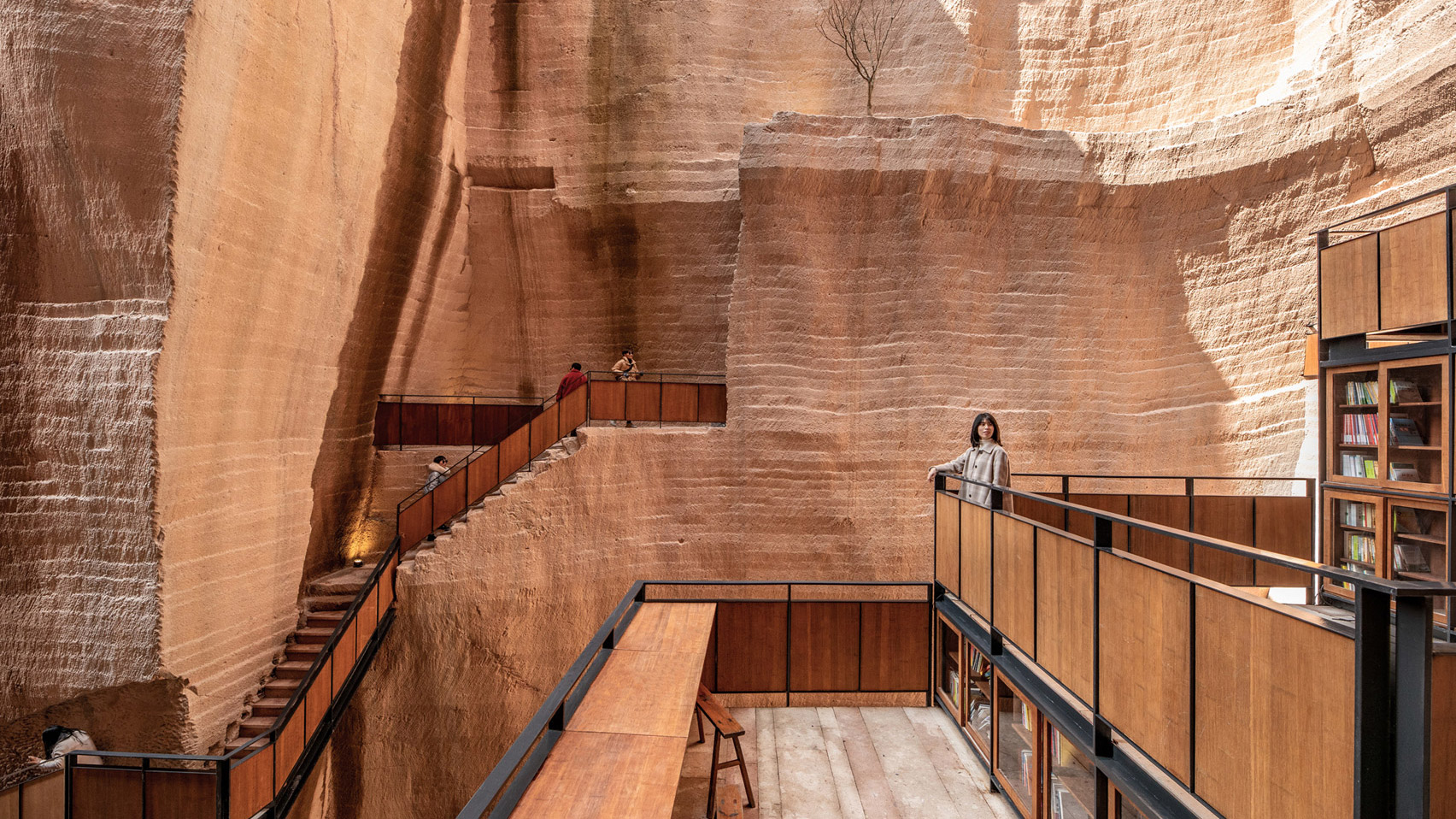
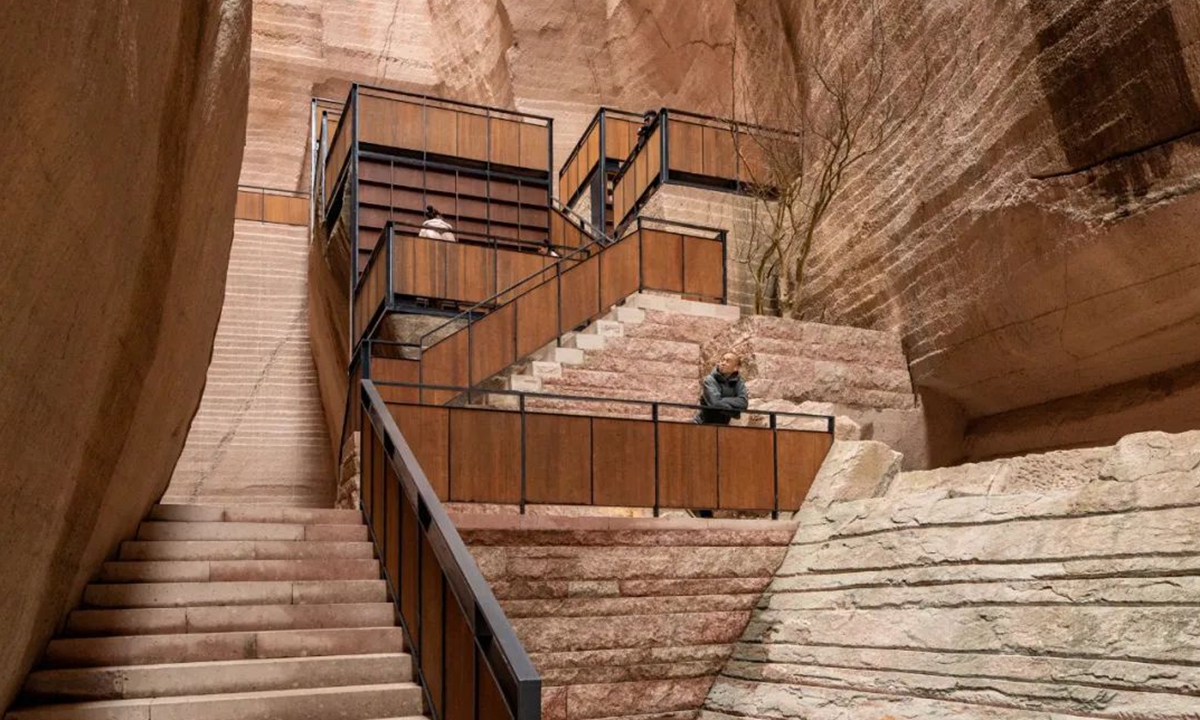
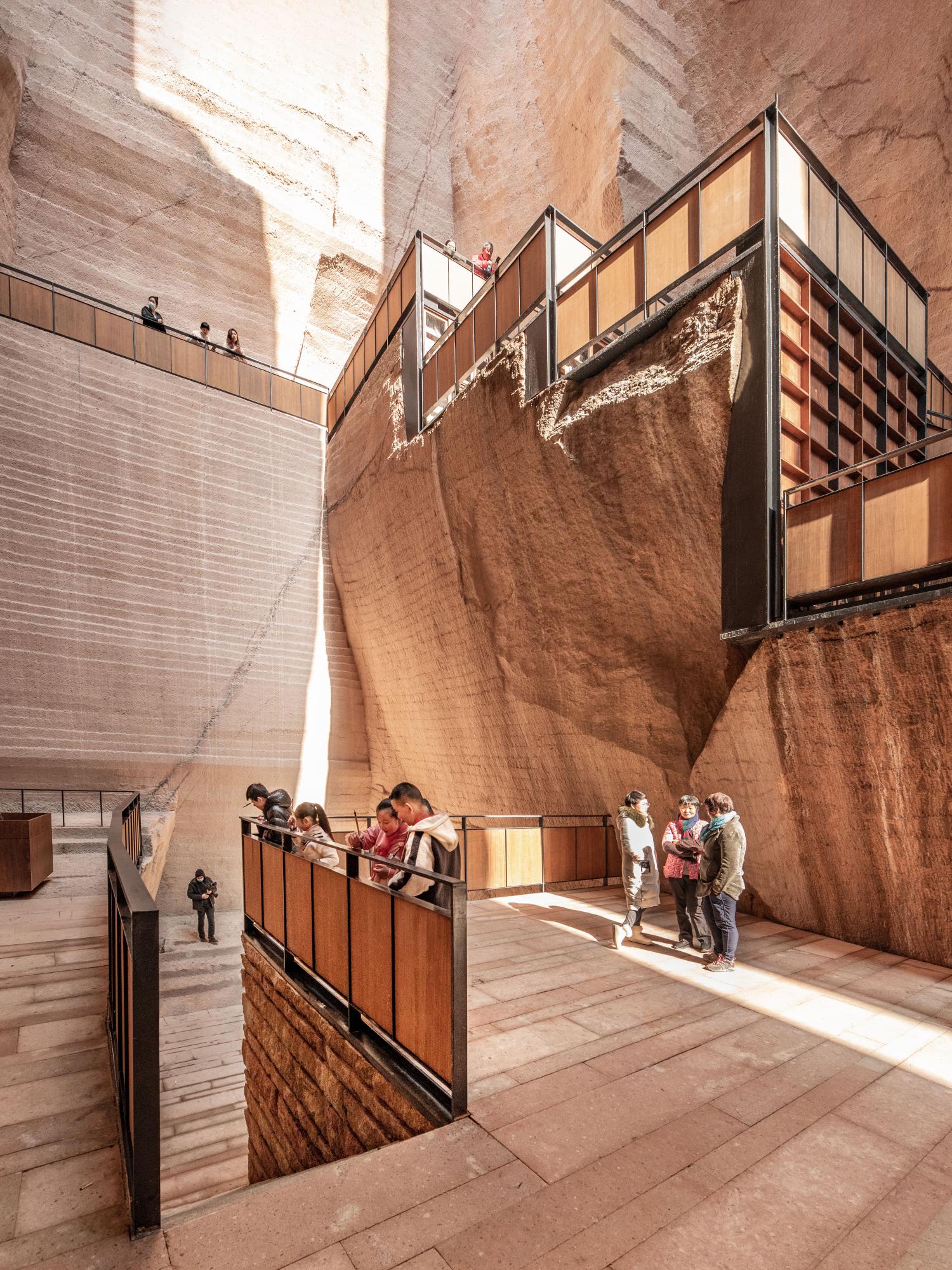
The core of Xu’s methodology, described with surgical emotional precision as "architectural acupuncture," operates on the principle that a well-placed, site-specific project can act as a needle, releasing local tension and inviting economic and social flow. This approach is a radical departure from the top-down models of the past. Instead of imposing a pre-designed aesthetic onto a landscape, Xu engages in an intelligent curation of the existing environment. Her practice works with the materials and vernacular structures already present—abandoned quarries, local cultivation ponds, and forgotten facilities—transforming them into functional spaces that feel like a natural extension of the soil. This cultural understanding of the landscape ensures that the architecture is not a foreign body, but a restorative one, deeply rooted in the history and identity of the village.
Related article - Uphorial Shopify
A primary example of this philosophy in action is her work with local production facilities, such as the Tofu factory projects. Here, the architecture is not the final destination but a strategic starting point. By creating a professionalized yet communal space for traditional production, the project fosters a renewed sense of pride among villagers. This, in turn, triggers a ripple effect of local initiatives, including the development of restaurants, homestays, and cultural programs. The transformational framing of the project lies in its move toward community ownership; Xu argues that architecture belongs to the people, not the architect. When a community sees its own traditions mirrored in a modern, functional space, the result is a sustainable resurgence of local identity that no high-rise could ever replicate.
Xu’s work also challenges the traditional, and often "dangerous," notions of beauty that have governed the industry for decades. In a sharp critique of aesthetics-for-aesthetics'-sake, she argues that beauty must be redefined as something practical, efficient, and sustainable. For Xu, true beauty is found in the acceptance of a structure across generations—a building that works for the elders of a village as effectively as it does for the youth. This redefinition moves architecture away from the realm of the "monument" and into the realm of the "tool." By prioritizing the utility of a space over its visual spectacle, she ensures that her projects are equipped to handle the urgent global challenges of social disparity and climate change.
This shift in thinking represents a broader generational pivot within the architectural community. Xu notes that the younger cohort of architects is increasingly asking "what architecture can do" rather than "what I can make." This transition from the architect as a creator of objects to the architect as a facilitator of change is a central theme of her practice. She advocates for architects to step into the decision-making process at the earliest phases of a project, working alongside local authorities and the community to question the very necessity, scale, and program of a commission. This proactive involvement ensures that the resulting structure is not just a response to a brief, but a thoughtful intervention that addresses the actual needs of the site. Ultimately, the report on Xu Tiantian’s work provides a compelling blueprint for the future of rural development worldwide. By treating the village as a living organism and the architect as a healer, her practice demonstrates that small-scale, high-impact interventions are the key to long-term resilience. As the world grapples with the complexities of urban sprawl and rural abandonment, the "acupuncture" model offers a vision of growth that is balanced, respectful, and profoundly human. It is a reminder that the most enduring structures are not those that stand the tallest, but those that connect most deeply with the people they serve.