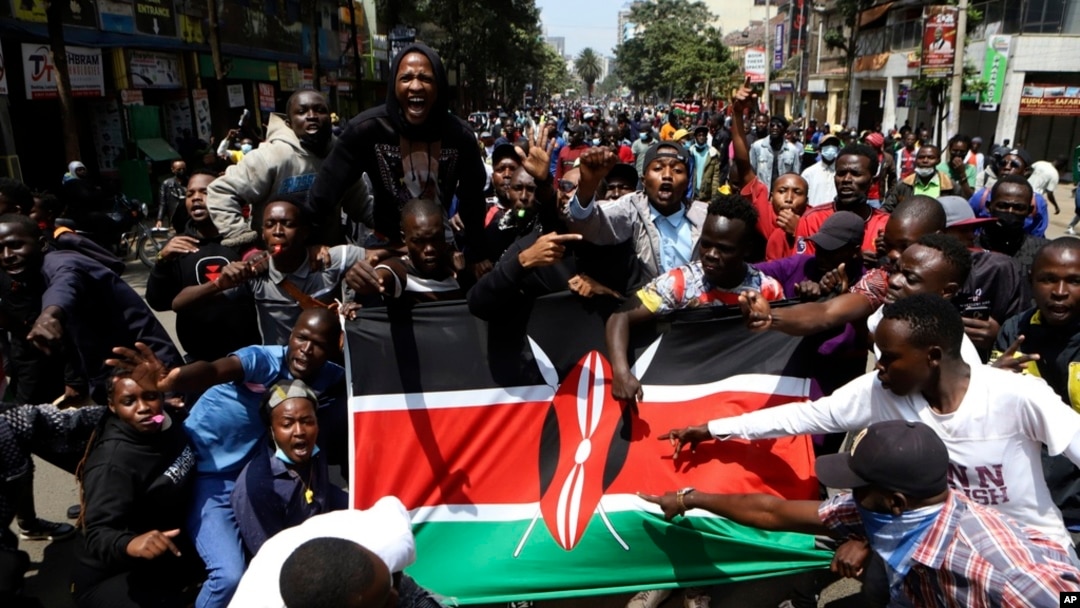
Kenya is currently facing one of its most turbulent periods in recent history. What began as protests over controversial economic policies has escalated into a nationwide reckoning with issues of governance, police brutality, and accountability. Widespread demonstrations, largely driven by a tech-savvy and politically conscious youth, have shaken the foundations of the country’s institutions, prompting urgent questions about Kenya’s democratic future.
Origins of the Unrest: The Finance Bill and Economic Tensions. At the heart of the protests lies the controversial 2024 Finance Bill. The legislation introduced a range of new taxes, including levies on essential goods, digital transactions, and housing. While the government argued these measures were necessary to address national debt and increase revenue, the public reaction was swift and hostile. Many citizens viewed the bill as tone-deaf, introduced at a time when inflation, unemployment, and food insecurity were already pushing households to the brink. Despite a partial withdrawal of the bill following intense backlash, the protests had already evolved into something broader—a platform for voicing long-standing frustrations with political elites.
Related article - Uphorial Radio

Police Brutality and High-Profile Deaths. The unrest intensified following several high-profile deaths linked to police action. One particularly galvanizing case was the death of Albert Ojwang, a teacher and online activist, who died under suspicious circumstances while in police custody. Autopsy results contradicted official reports, revealing head trauma and signs of physical abuse. The killing of innocent bystanders during protests—such as a street vendor reportedly shot during a peaceful demonstration—further inflamed public sentiment. These incidents shifted the protests from being purely economic to moral and existential: Kenyans demanded to be heard without being harmed.
The Movement: Gen Z and Decentralized Resistance. What distinguishes this wave of unrest from previous ones is its youth-led, digitally coordinated, and leaderless structure. Gen Z activists have turned to social media platforms to mobilize, document abuses, and educate the public. Hashtags, viral videos, and encrypted group messaging apps have become the tools of a new digital resistance. Demonstrations have spread across major urban centers—Nairobi, Kisumu, Mombasa, Nakuru—and into smaller towns. The decentralized nature of the protests has made it difficult for authorities to suppress the movement through traditional means, such as arresting figureheads or banning political rallies.
State Response and Allegations of Repression Security Crackdown.s The government’s response has been widely criticized. Security forces have employed tear gas, rubber bullets, and even live ammunition in some cases. Human rights organizations report that dozens have been killed since the protests began in earnest, with hundreds more injured or detained. The use of plain-clothes officers, abductions of activists, and excessive force have raised serious concerns about abuse of power. While the government claims it is trying to maintain law and order, the optics—and outcomes—suggest an escalation of state-sponsored violence.
Media Blackouts and Internet Disruptions In addition to physical crackdowns, the state has also targeted the flow of information. Broadcasts of live protests have been censored, independent media houses have reported interference, and social media slowdowns have been observed during critical moments of mobilization. Civil society groups have described these tactics as deliberate attempts to suppress transparency and public accountability. Broader Issues: Governance, Trust, and Representation. Corruption and Disconnect Underlying the unrest is a growing disillusionment with Kenya’s political establishment. While promises of reform and anti-corruption measures are frequent during election campaigns, many citizens feel those promises evaporate once votes are counted. Allegations of embezzlement, misuse of public funds, and lack of transparency remain rampant. The protests have become a platform not only for economic grievances but for calling out systemic failure—a failure to listen, to serve, and to protect.
The Civic Space Is Shrinking in Kenya, once seen as a regional beacon for democratic growth, now faces criticism for democratic backsliding. NGOs, independent journalists, and activists have raised alarms about shrinking civic space. Arrests of peaceful demonstrators, intimidation of organizers, and restrictions on the press create a chilling effect that stifles dissent. Impact and Consequences: Economic Fallout. The unrest is already taking a toll on the economy. Businesses have shut down during peak protest periods. Investors are showing signs of hesitation, particularly in sectors like tourism and tech that are sensitive to political instability. The government, caught between fiscal urgency and public outrage, is under pressure to revise its approach to taxation and debt servicing. International Reactions Kenya's allies and international organizations have issued cautious statements, urging restraint on both sides and calling for dialogue. Human rights groups have demanded independent investigations into deaths and abuses, while diaspora communities have held solidarity protests in cities around the world. Hope or Flashpoint? Despite the turmoil, many view the current protests as a pivotal moment in Kenya’s democratic journey. Unlike previous demonstrations that were often co-opted by political factions, this movement feels different: people-first, values-driven, and uncompromising in its demand for dignity and justice. Whether the government chooses to respond with meaningful reform or further repression will likely define Kenya’s trajectory for the next decade.
Conclusion: A Nation at a Moral Crossroads Kenya today is not just facing an economic crisis or a political storm—it is undergoing a generational reckoning. The youth are no longer content with promises. They demand proof of progress, accountability for abuse, and inclusion in decision-making. For President Ruto’s administration, the challenge is not just how to manage dissent, but how to rebuild trust in a nation whose social contract is fraying. The decisions made in the coming months will determine whether Kenya emerges from this unrest as a stronger democracy—or sinks deeper into disillusionment and instability.