The modern professional environment, as detailed by Aproko Doctor TV, is creating a silent but dangerous epidemic, making the workplace a critical factor in the rising rates of Type 2 diabetes. This issue is particularly relevant on World Diabetes Day, where the focus is on "diabetes and well-being, especially diabetes in the workplace". The annual slogan, "know more and do more for diabetes at work," underscores the necessity of addressing how daily work routines can worsen or even cause the condition.
Aproko Doctor highlights that for many, the day is a relentless rush—"rush take your bath rush enter bus"—leading to long hours "sitting around in one place from morning to night". This sedentary lifestyle profoundly affects blood sugar and metabolism and has actually been shown to be "even equal or more to smoking" in its danger. Compounding this is severe mental stress, which pushes a hormone called cortisol in the body, which, by itself, can increase blood sugar. Stress keeps the body in constant "fight or flight mode," a state that increases blood sugar even without eating.
The workplace dictates crucial health behaviors. People often skip meals or eat rushed snacks due to their work routine. When hunger hits under stress, individuals tend to ignore healthy options and seek fast energy fixes, consuming things like biscuits, white bread, soft drinks, or energy drinks—sometimes "three or four in a day"—to "hold body". When you add poor sleep and neglected health checkups to this scenario, "all of these things is building the perfect environment for diabetes to develop or get worse".
Diabetes occurs when the body's cells cannot properly utilize glucose (sugar) for energy. Aproko Doctor explains that cells have a "gate man" that needs to let the sugar in, and insulin acts as the key. In Type 2 diabetes, there is insulin, but the cell "does not like insulin anymore," meaning the cell resists the insulin, so sugar cannot enter. If this extra sugar remains in the blood for too long, it begins to damage vital organs, including the eyes, kidneys, nerves, and heart. Type 2 diabetes is the common type, caused by genetics, stress, or lifestyle.
Related article - Uphorial Shopify
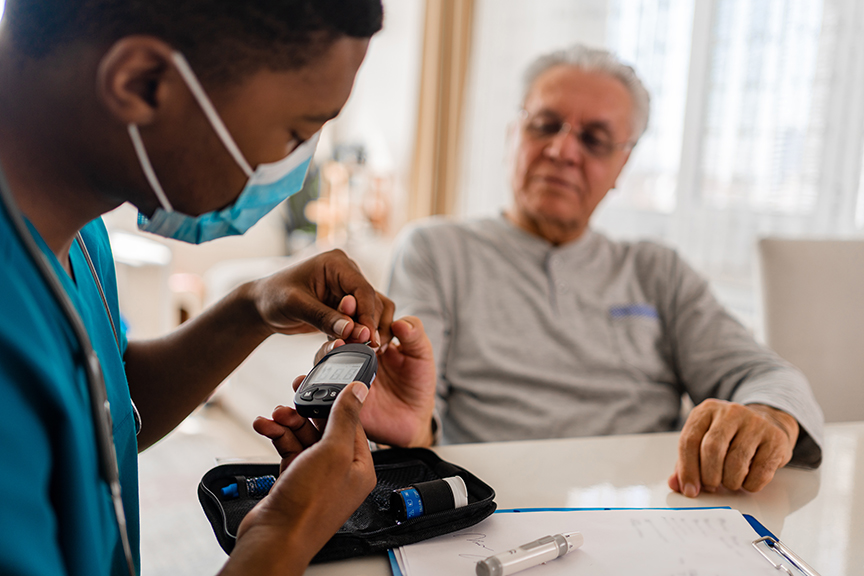
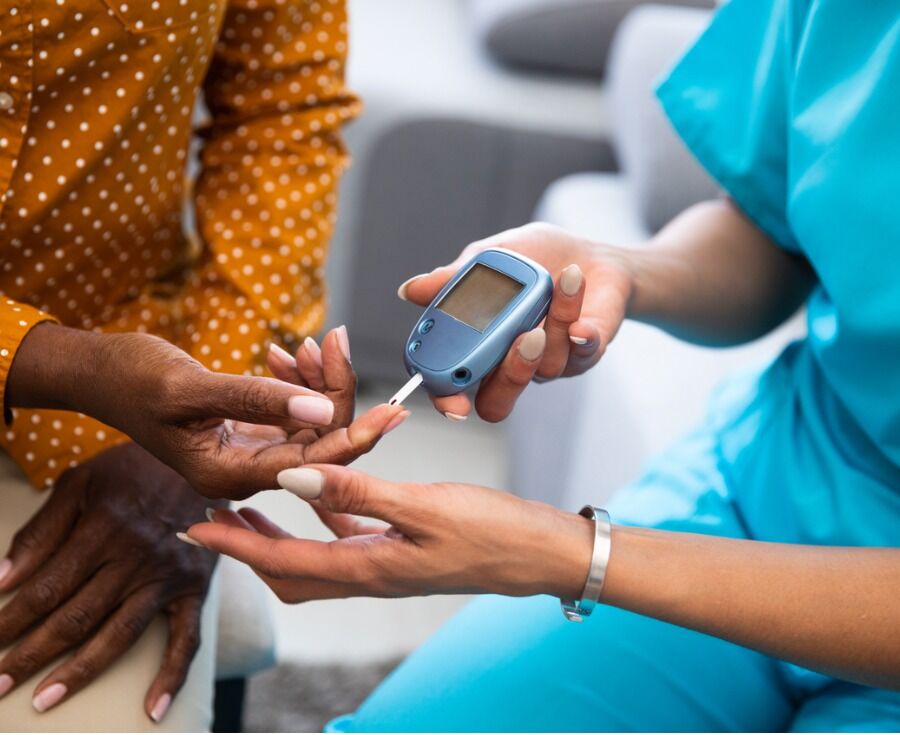
The warning signs are often quiet and easily dismissed as stress, but Aproko Doctor urges vigilance. Key symptoms include being always tired because energy is not entering the cells, being always thirsty due to thick blood caused by high sugar and urinating a lot because high blood sugar attracts water, which is then passed out through the kidneys. Other serious signs include sudden blurring of vision, wounds taking too long to heal, or feeling easily anxious or irritable. A major problem is that many people fear checking their blood sugar levels due to social judgment, worried about being seen as "weak" or a "burden," and sometimes pretending that "everything is fine". This is dangerous, as high blood sugar can cause problems before symptoms are fully evident. It is crucial to "stop shaming people and start showing care" because diabetes is not always caused by lifestyle; genetics and hormone imbalance are also factors.
For employees living with diabetes, Aproko Doctor suggests simple but impactful changes: never skip breakfast, even if it’s light and healthy; after eating, walk around the office building; drink more water, adding natural flavors like watermelon or orange if plain water is boring; and check blood sugar often.
Employers and team leaders must recognize that a healthy worker "is equals to a better worker" with "fewer sick days and also increases morale". Aproko Doctor calls for several systemic changes: leaders must allow short movement breaks, recognizing that a worker who walks around is healthier and more productive. They should also provide access to essentials, like clean drinking water, and remove the chances of employees getting "wrong food" by eliminating junk food from office fridges.
Furthermore, companies, especially those in Nigeria, must implement proper lunch breaks, as the absence of this leads employee to consume excessive snacks, like 17 biscuits before lunchtime, just to sustain themselves. Employers should actively encourage and even mandate regular health checkups. Aproko Doctor concludes that "all of us deserve a workplace where we can thrive and not just survive".