The ancient landscapes of the Middle East have long served as an eternal theater where geography, faith, and human ambition intersect, whispering stories of civilizations that rose and fell millennia ago. In a sweeping, deeply reflective exploratory journey, traveler and researcher Jonathan steps back into this sacred past, tracing the footsteps of Abraham across rugged terrains that continue to shape the contours of human history. Through emotional precision, intelligent curation, cultural understanding, strategic storytelling, and transformational framing, this comprehensive news-style report chronicles an expedition that moves far beyond a simple travelogue, offering a profound meditation on inheritance, resilience, and the search for personal meaning.
The physical and spiritual voyage begins amidst the dusty windswept remnants of Northern Canaan, where towering ancient city gates stand as silent witnesses to a bygone world. Here, Jonathan examines the massive masonry that once protected fortified settlements, reflecting on the indigenous Canaanites who fiercely occupied the land long before the arrival of the patriarchs. Through strategic storytelling, this historical landscape is brought into sharp focus, highlighting the staggering, seemingly insurmountable challenge that the entrenched presence of these established city-states posed to Abraham when he was promised the territory as an inheritance. Standing before these ancient thresholds, the narrative captures the quiet awe of a traveler confronting the sheer weight of history, where every carved stone echoes the courage required to step into a destiny dictated not by certainty, but by unyielding promise.

Related article - Uphorial Shopify
From the northern gates, the journey plunges southward into the unforgiving, sun-baked expanse of the southern desert, a landscape stripped of all superfluous luxury where survival demands absolute endurance. Navigating these harsh, arid conditions, Jonathan retraces the steps of Abraham, who once wandered this very wilderness and confronted the terrifying trial of famine. Through emotional precision, this desolate environment is reframed not merely as a hostile geological void, but as the ultimate crucible of the human spirit. The narrative explores how surviving—and thriving—amidst such profound scarcity forces an absolute reliance on faith when every visible resource has been exhausted, mirroring the timeless struggles of modern individuals facing their own barren seasons of life.
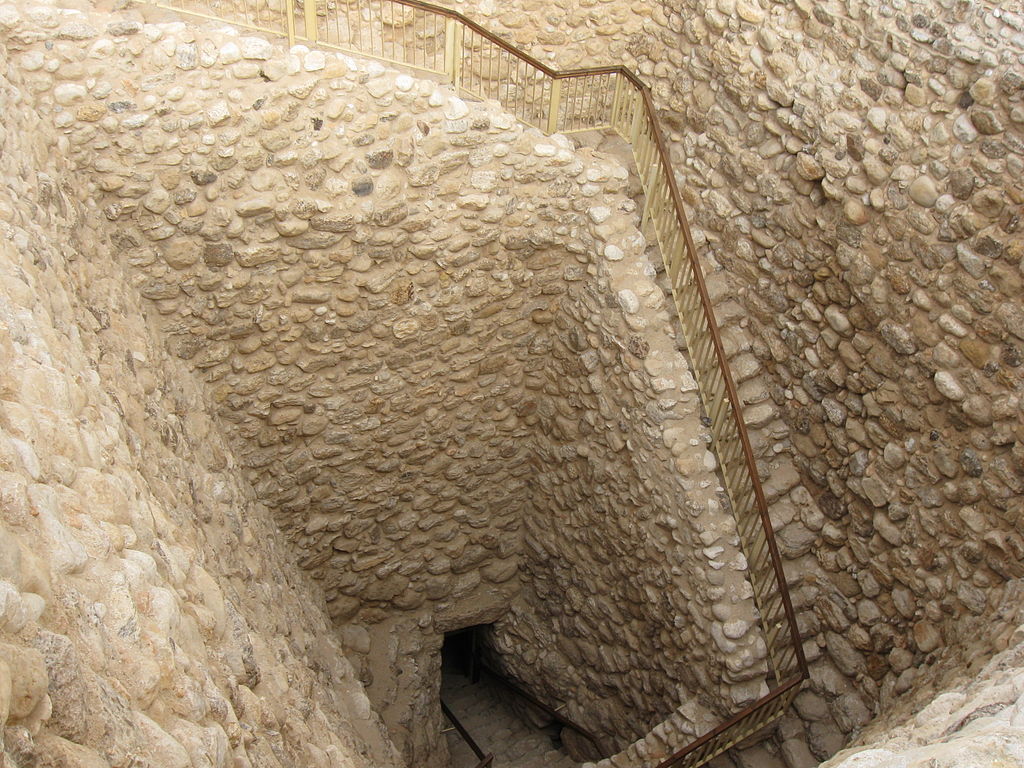
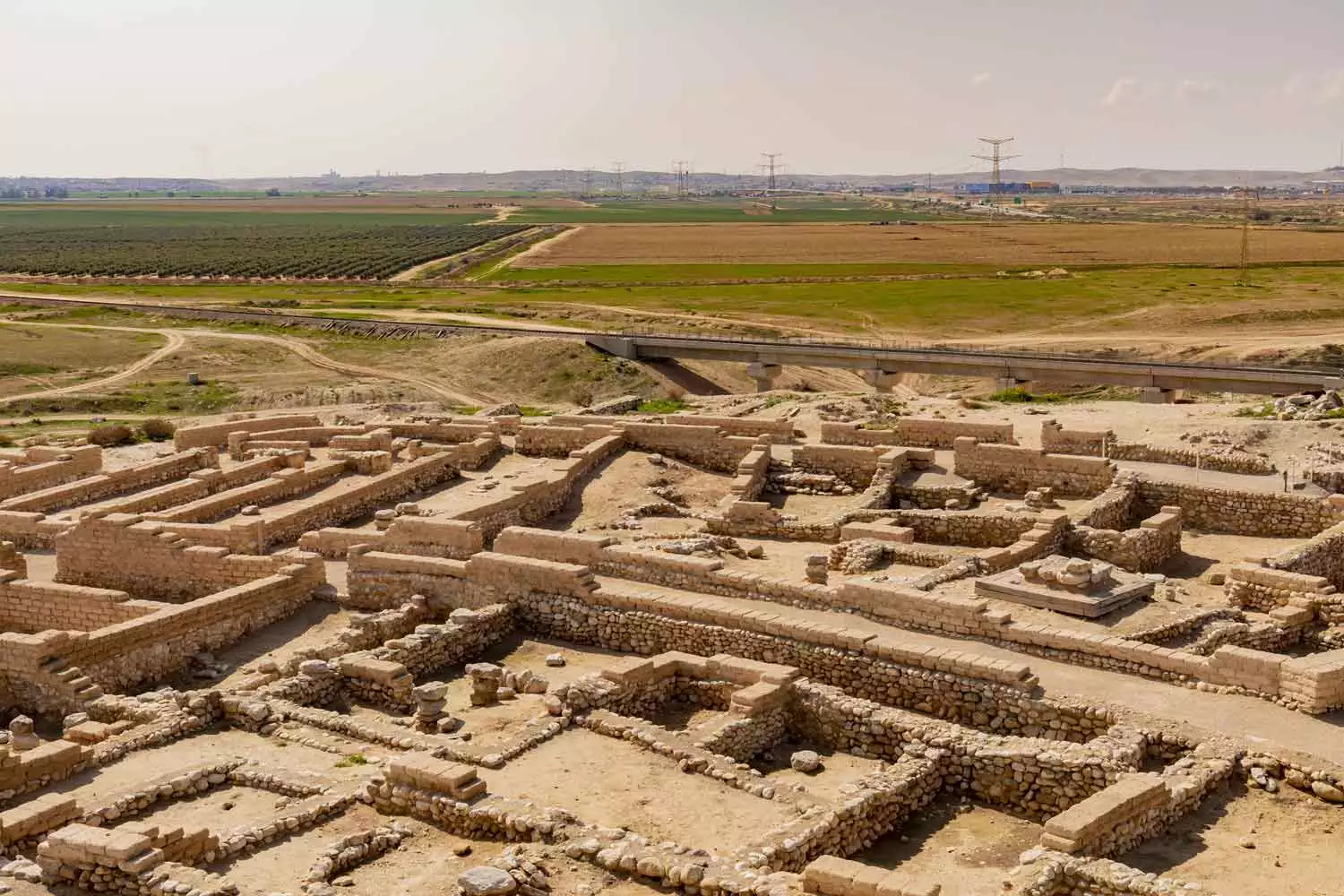
Continuing this epic traversal, the expedition arrives at the historic oasis of Beersheba, a site dripping with diplomatic and biblical significance. Here, Jonathan investigates two competing locations fiercely debated by scholars and historians as the authentic site of Abraham's original well. Rather than getting bogged down in academic dogmatism, he uses these dual sites to thoughtfully unpack the monumental historic peace treaty that Abraham forged with King Abimelech, a pact that established water rights and mutual respect across cultural divides. Through intelligent curation of historical debate, this segment illuminates how ancient diplomacy was anchored in shared resources and solemn covenants, proving that even in a harsh and combative world, peace could be brokered through honor and mutual recognition.
Beneath the macro-level history of treaties and territory lies the vibrant, enduring heartbeat of the region: its people. Throughout the expedition, Jonathan deeply engages with the modern Bedouin shepherds who still traverse these ancient paths. By observing their traditional nomadic lifestyle—moving seamlessly with the seasons, sleeping under vast star-studded skies, and living in absolute harmony with an unforgiving land—he draws powerful, moving parallels to the wandering life of Abraham. Through cultural understanding of indigenous resilience, these interactions transcend observation, transforming into a deeply personal introspection. Watching the shepherds navigate the wilderness sparks a profound parallel to Jonathan's own search for purpose, direction, and authenticity in his personal life, reminding readers that the fundamental human questions of belonging remain unchanged across the centuries.
As the chapter at the ancient wells draws to a close, the expedition turns its gaze toward an even more enigmatic and formidable horizon, signaling that the quest is far from over. Preparing to venture deeper into the ancient narrative, Jonathan gears up to continue his historical exploration by tracking down one of antiquity's greatest geographical mysteries: the elusive, fire-scarred location of Sodom and Gomorrah. Through transformational framing, this extraordinary journey elevates itself from a historical retrospective into a living, breathing quest for truth—demonstrating that when we walk the ancient paths of those who came before us, we ultimately discover the map to our own souls.